knowledge library / How to Layer Rugs Without Crowding the Room
Layer rugs by giving each one a clear role: a larger base defines the furniture area, while a smaller rug introduces a different pattern or texture. Plan the overlap around furniture and walking routes, then check the complete arrangement for movement and uneven edges. Layering works only when both the visual composition and the physical setup suit the room.
It is an appealing solution when a favorite rug is too small for the seating group, or when a large quiet surface needs a more focused area of pattern. It also adds another edge, another thickness and another surface to maintain. Work through those details before buying a second rug.
Decide what the second rug contributes
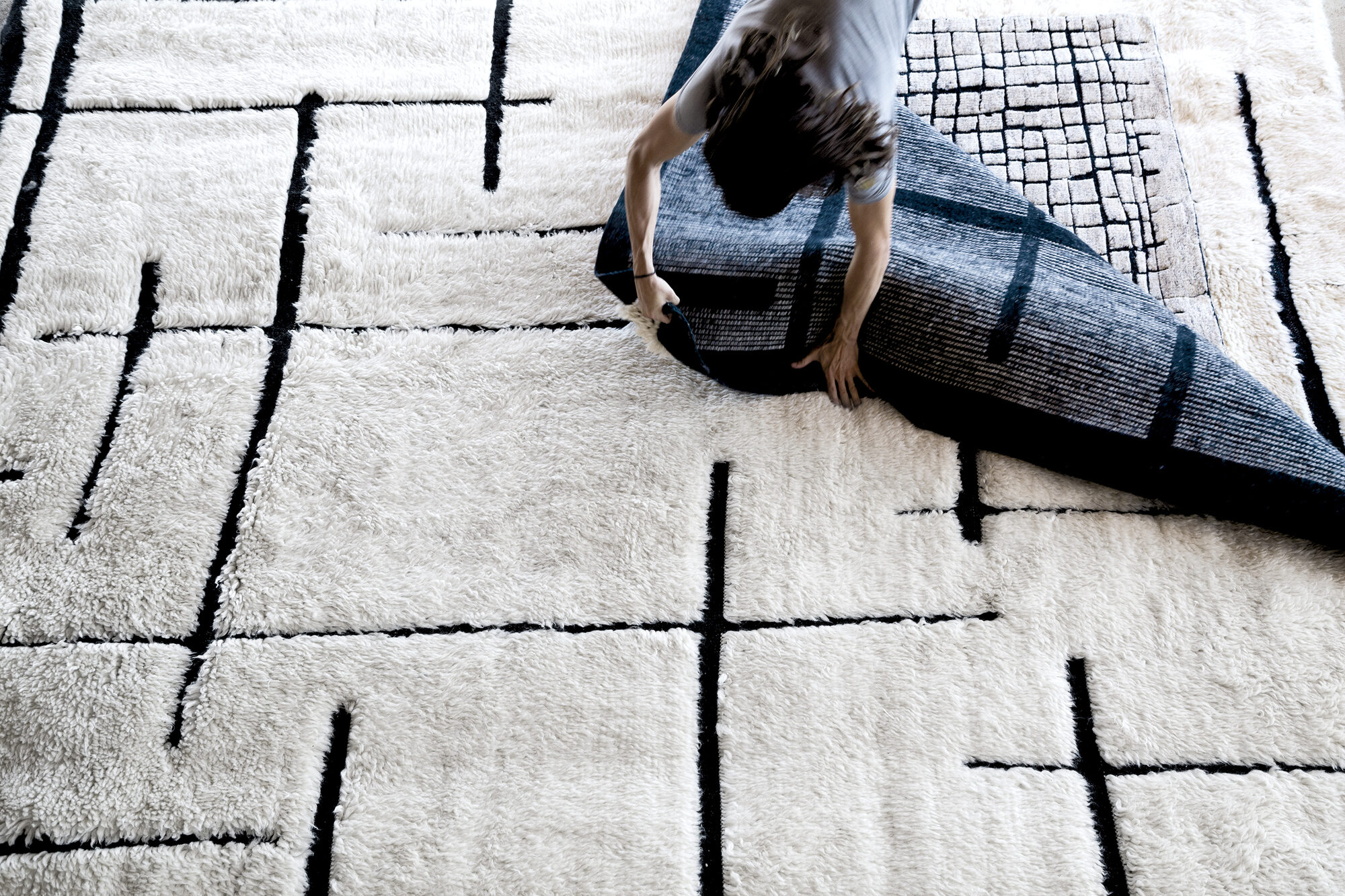
Begin with a reason for the overlap. A patterned rug might sit within a larger neutral field, giving the coffee-table area a different character. Two related colors might introduce a subtle change of texture. An existing antique might become the focal piece within a larger furniture plan, provided its condition and the proposed support are appropriate.
If both rugs are competing for attention, remove one from the plan and look again. A room may already have enough pattern in its curtains, art and upholstery. The second rug should earn its place through the composition you want to see.
The guide to mixing antique and contemporary rugs discusses the relationship between different styles. Physical layering adds a separate question: can these particular textiles sit together successfully?
Size the base around the furniture
Draw the seating arrangement first. Decide which furniture legs belong on the larger rug, then mark the smaller rug within that footprint. The rug size guide gives a starting point for the furniture relationship.
Leave enough of the base visible for the overlap to look deliberate. There is no universal border measurement: a small amount of exposed base may disappear beneath furniture, while a very broad margin may make the upper rug feel isolated. Test the proportions on a scaled plan and, where possible, with the actual rugs.
A centered arrangement is easier to assess because its edges relate directly to the furniture. An offset rug can work, but check where its corners land. A diagonal corner extending into the route from the doorway may be an awkward consequence of a composition that looked attractive from above.
Compare the textures as a pair
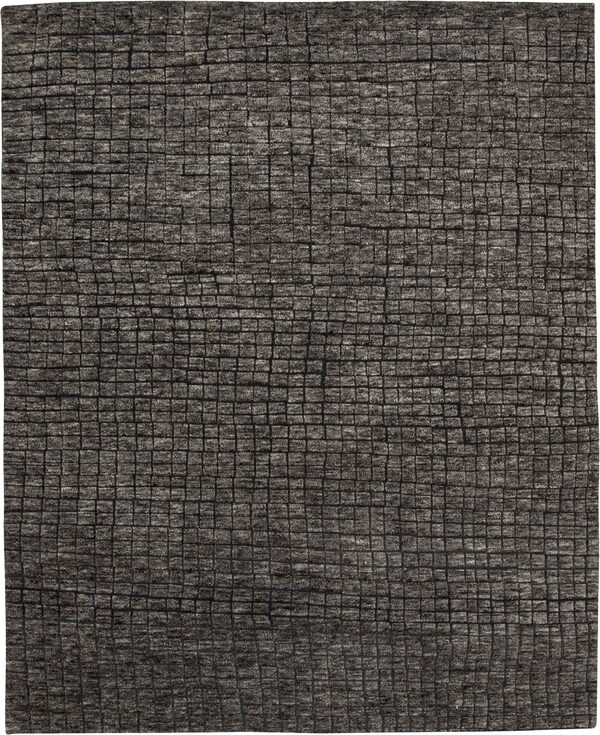
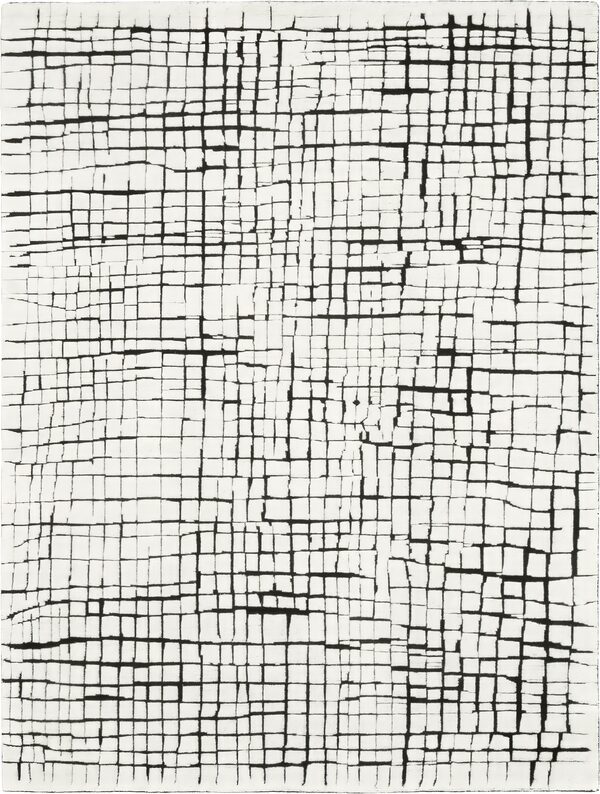
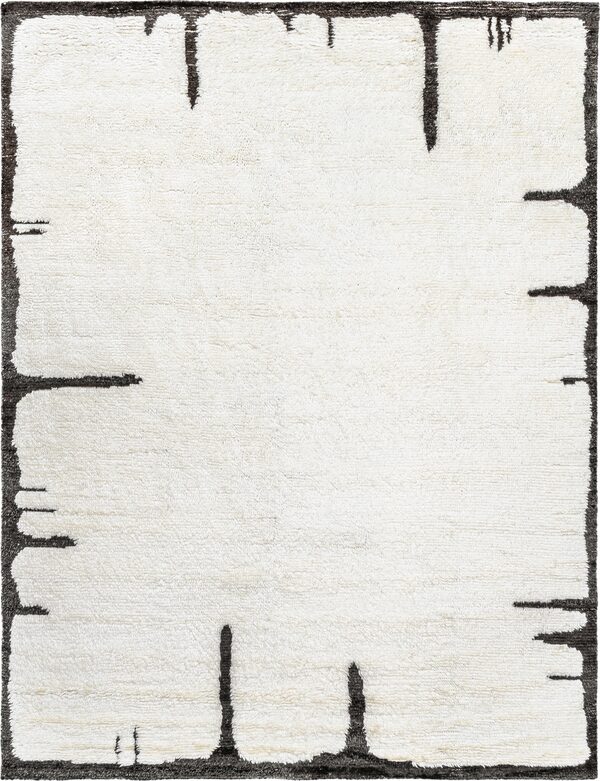
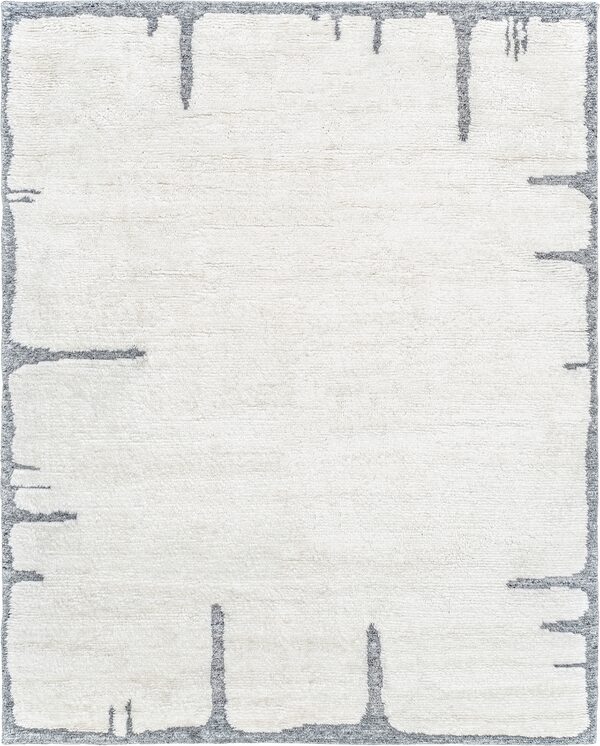
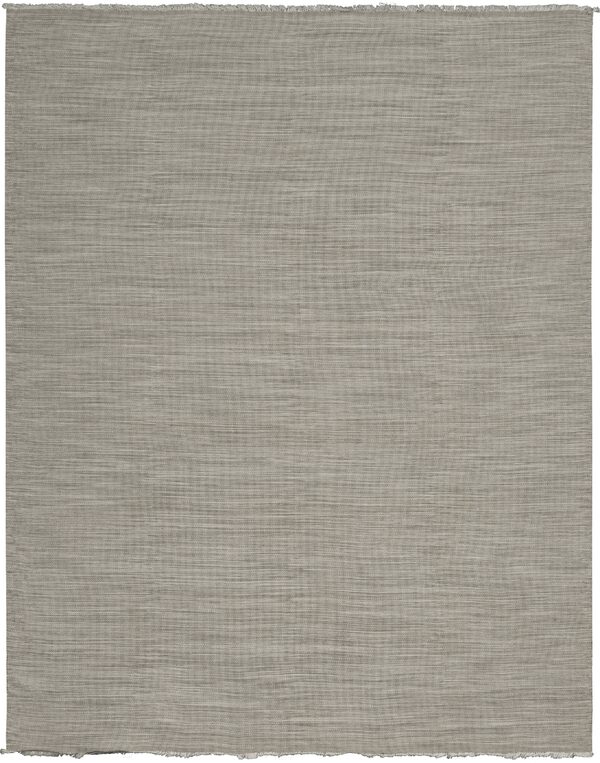
A restrained base can give a more expressive upper rug room to be seen. Browse the Studio WOVEN Textures collection for visual starting points, then have the exact construction assessed for the proposed use. A texture category is not an approval for layering.
Do not assume that a thick or soft base will support another rug well. The upper rug may respond differently when people walk over it or furniture is placed on it. Likewise, a very thin rug can move or form an edge that needs attention. Samples can help with the palette, but they are too small to establish how a full-size arrangement behaves.
Ask the supplier to review the face and reverse of both rugs. If one is an antique, include its condition assessment. Weakness, repairs or fragile edges deserve attention before another textile or furniture load is added. Keep direct handling and placement decisions with the person who has inspected it.
Walk the layout before accepting it
Try the proposed arrangement with the room in use. Include the underlay or other support recommended for that exact combination, rather than improvising with extra pads.
| Check | What to look for | If it does not work |
|---|---|---|
| Main walking route | Exposed corners or an edge crossed on every trip through the room | Move the overlap away from that route or use one rug. |
| Furniture position | A chair or table rocking because its feet sit at different heights | Adjust the layout and verify that the piece is stable. |
| Rug movement | Bunching, creeping or curled edges during ordinary use | Have the support and rug pairing reassessed. |
| Doors | Contact with the combined rug and pad thickness | Change the placement or select a lower-profile arrangement. |
| Access needs | Difficulty moving a walking aid or wheeled equipment across the transition | Seek site-specific advice; a simpler single surface may be preferable. |
The rug pad guide can help frame the support discussion. Floor compatibility and rug-to-rug movement are different issues; both need to be resolved. An attractive photograph cannot verify either.
Allow for cleaning and inspection
Choose a setup you can realistically maintain. Ask how the upper rug will be lifted, how the surfaces beneath it should be cleaned, and which changes should prompt inspection. Follow each rug’s own care instructions and avoid treatments that could transfer to the other textile or the floor.
Recheck the arrangement after furniture is moved. A shifted chair can place an edge where feet now land, and a decorative overlap may no longer suit a new walking route. If the rugs repeatedly need repositioning, return to the layout and support decision. The room should be comfortable to use as well as satisfying to look at.