knowledge library / Sourcing Rugs Through WOVEN PLACE: A Guide for UK Interior Designers
UK interior designers can source rugs through WOVEN PLACE by starting with a room brief, a shortlist of references and the project's practical requirements. Our trade portal gives designers and architects access to pricing, stock information and project tools. For a particular order, bring those resources together with a clearly defined rug specification and an itemised quote.
The first decision is often how much of the room can change. An existing antique has its own dimensions and drawing. A new design may provide a useful starting point for a different palette or proportion. Establish what is fixed before narrowing the search.
Use the trade portal to organise the shortlist
The WOVEN PLACE trade portal is intended for interior designers and architects. Its published features include retail and trade pricing, stock availability, product information and order tracking. Project folders, custom sidemarks and sharing tools help keep references organised around the job.
Use a sidemark that identifies the room clearly. “First-floor sitting room” is more useful than “blue rug” when several options are being considered. Keep the dimensions and preferred orientation alongside the reference, particularly if the same design appears in more than one room.
Stock information helps you build a shortlist. Before presenting a particular piece as secured for the project, establish its current availability and the terms of the proposed order.
Choose a sourcing route that fits the brief
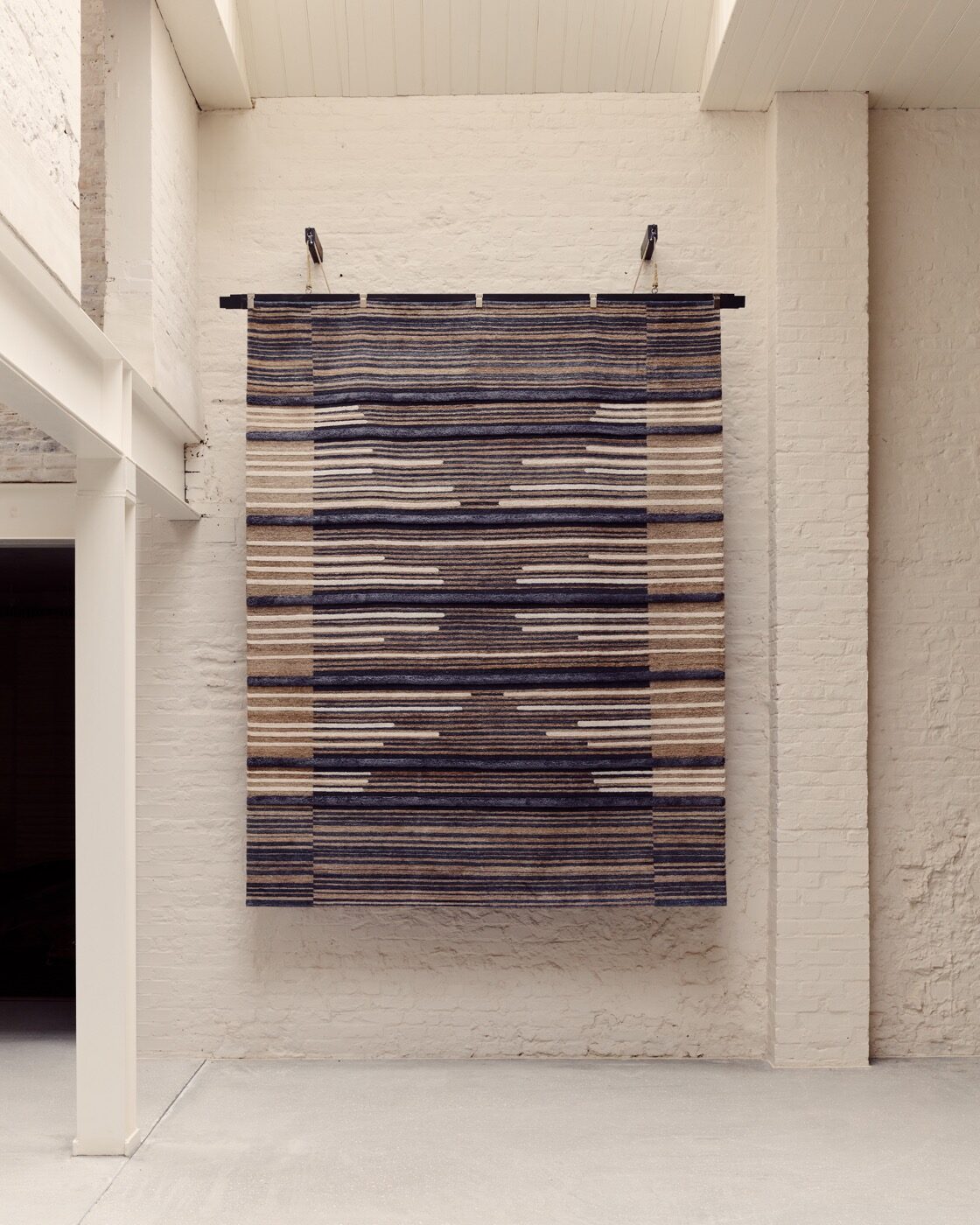
Our antique rugs offer individual pieces to consider by their actual proportions, pattern and condition. A room with some flexibility may be able to respond to an existing rug: moving a chair slightly, changing the table or allowing more floor to show at one end.
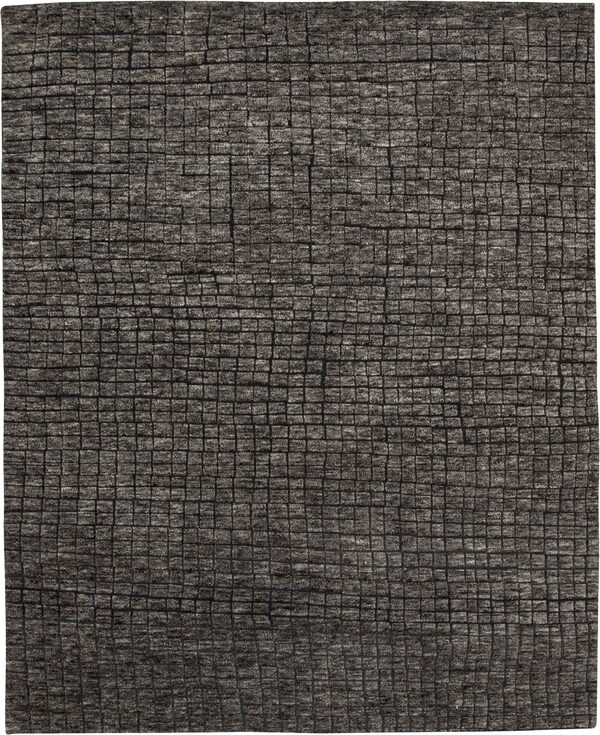
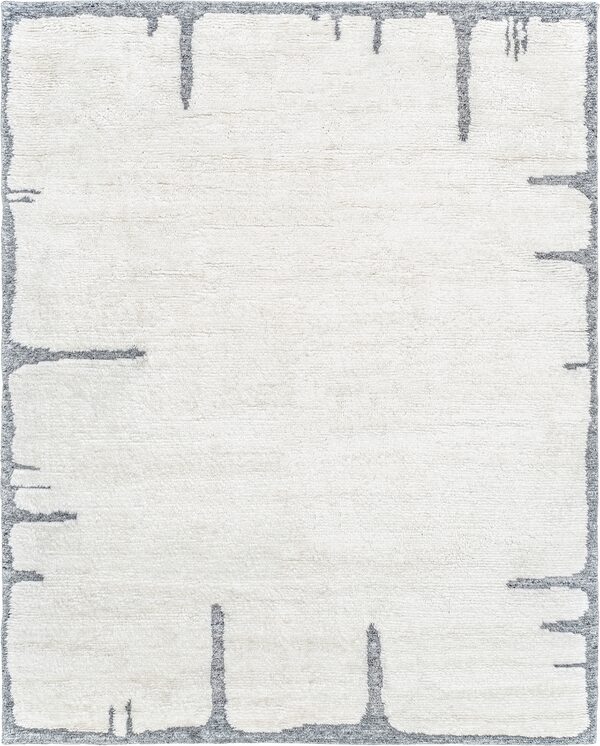
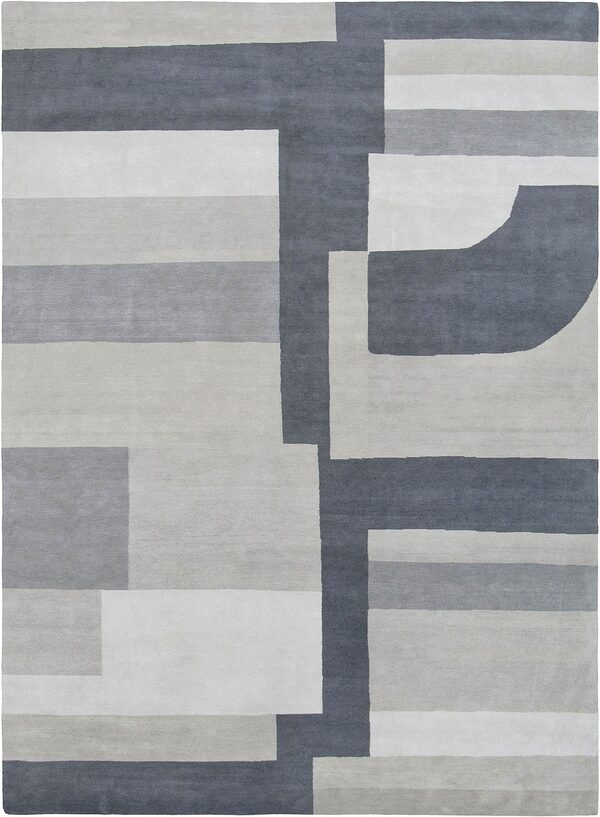
STUDIO WOVEN provides another starting point, with original designs and textures. Begin with a specific reference when discussing a custom size or colour. The changes available need to be established for that design and construction.
Some briefs call for a more developed bespoke enquiry. Perhaps the border must relate to a particular seating arrangement, or the rug needs an unusual outline. Send the intended result with the reference material so that feasibility can be considered before the design is presented as settled.
Send a brief someone can work from
A useful sourcing enquiry describes the room and the decision required. Include:
- A measured plan with furniture, doorways and the proposed rug position.
- Finished dimensions in centimetres, with length and width labelled.
- Photographs and the main fabric, floor and colour references.
- Intended use, including the routes people take through the room.
- Rug references, the changes being considered and the target installation date.
- The delivery location and any known access constraints.
Separate fixed requirements from preferences. If the rug must fit between two built-in cabinets, that dimension carries more weight than a colour that can move slightly. Likewise, a deadline should be identified as a project requirement, without assuming that it is already a confirmed delivery date.
For a multi-room project, give each room its own brief. A decorative rug in a lightly used bedroom and a rug beneath a dining table face different conditions, even when they share a palette.
Give each sample a purpose
A sample is most useful when everyone knows which decision it supports. A texture sample can help you assess a proposed surface. A colour reference belongs beside the project's materials. A strike-off allows selected details of a custom proposal to be reviewed before the full rug is made.
Agree what needs to be sampled for the specific enquiry and keep the reference with the artwork. If the design changes, check whether the sample still represents the current proposal. A familiar sample on a presentation board can easily outlast the decision it was meant to record.
Our London showroom provides a place to discuss references in person. Send the qualities you want to compare ahead of the visit so their availability can be checked. Sample availability and any loan or ordering arrangements should be established for that enquiry.
Read the quote against the selected rug
A trade price is useful only when it corresponds to the rug being specified. Check the reference, dimensions and quantity, together with any agreed changes to colour, material or construction. For an existing antique, identify the individual piece.
Ask for an itemised quote that makes the included goods and services clear. Sampling, underlay, freight, delivery and installation may involve separate arrangements. Confirm which items apply, where delivery ends and what the purchaser still needs to organise.
Keep the approved quote beside the design record. A later change to dimensions or materials needs to be reflected in both, so that the client is approving the same rug that will be ordered.
To begin, apply for a WOVEN PLACE trade account and send the room brief through our London contact page. Include the rug references and the decision you need to resolve first.