knowledge library / Rugs for traditional homes: choosing antique, new, or custom
Choose a rug for a traditional home by matching its scale, pattern and condition to the room, then deciding whether an antique, a new design or a custom commission best meets those needs. A traditional pattern does not establish a rug's age. The strongest choice may be an existing antique, a newly made interpretation or a quieter custom rug that lets the architecture lead.
A paneled room can feel crowded when every surface asks for attention. Another room, with restrained upholstery and plain walls, may need the structure of a patterned rug. Start with what the room is missing rather than with a rule that a traditional interior requires an antique.
Read the architecture before the pattern
Look at the room from its main entrance. Note the fireplace, windows, major doorways and any strong axis through the furniture. Decide whether the rug should reinforce that order or soften it.
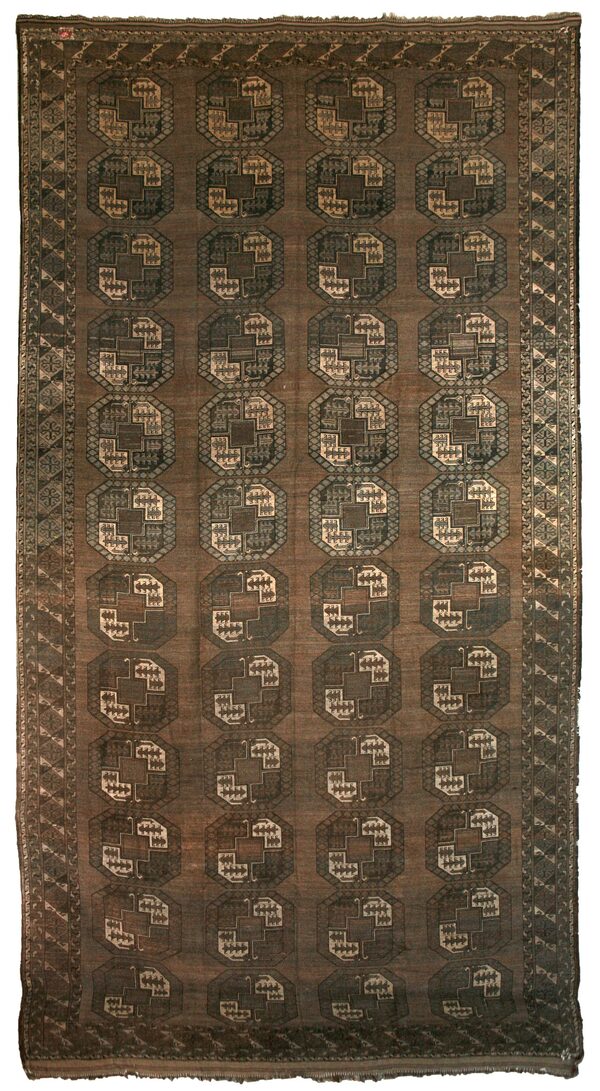
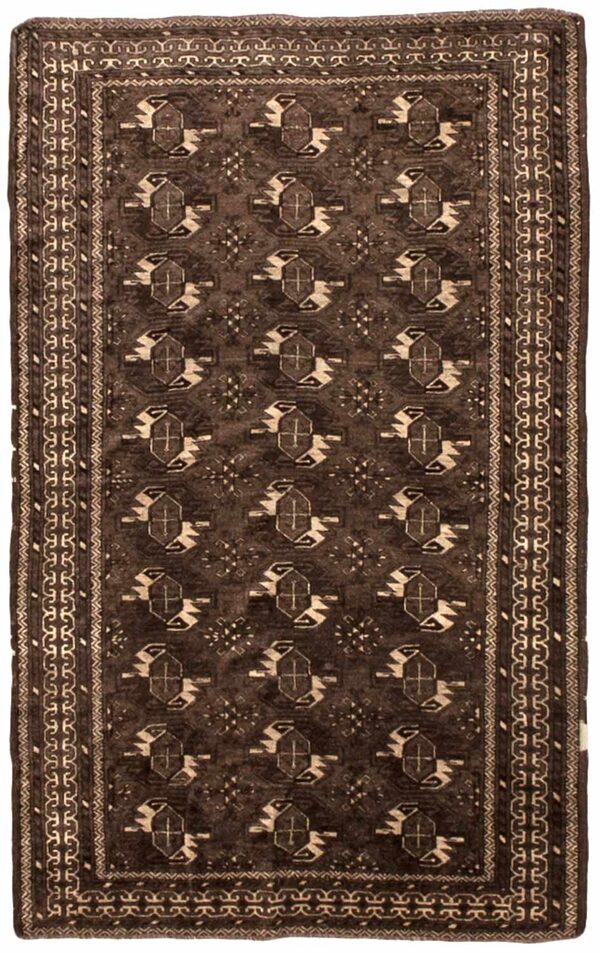
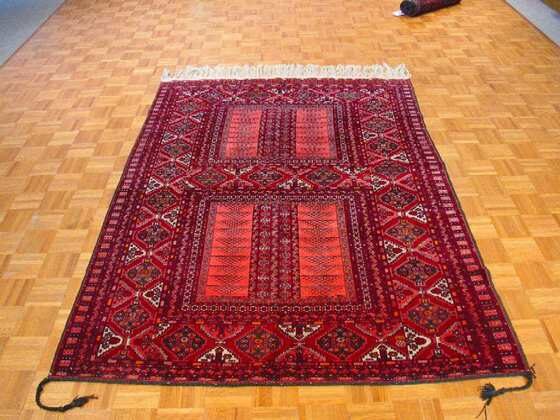
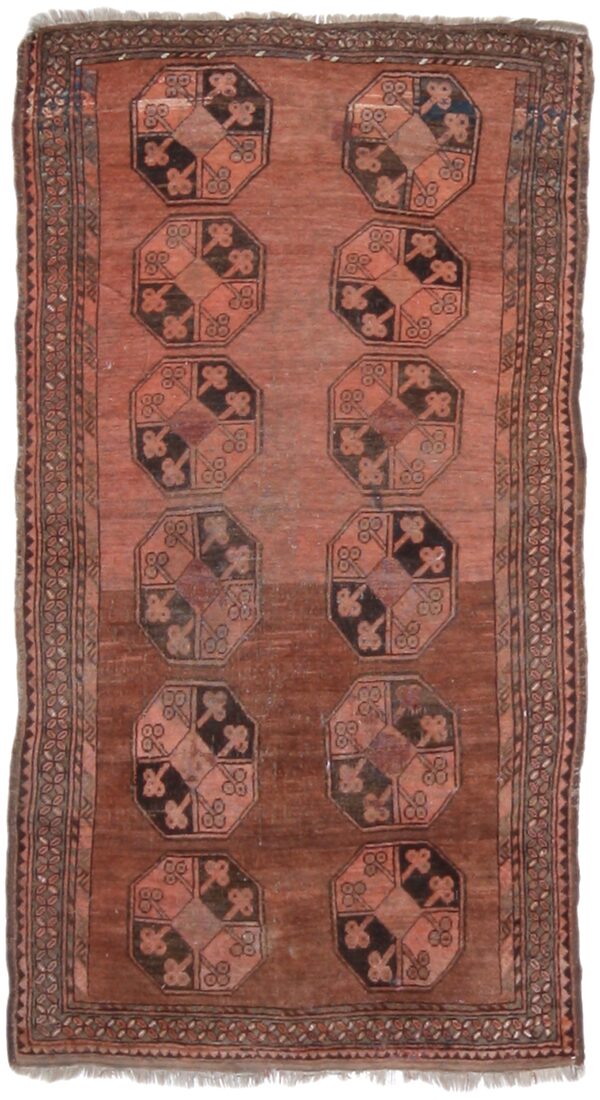
A central medallion creates a focal point within the rug. An all-over pattern distributes interest across the field. A border gives the composition a visible edge. These are useful ways to read a design, but none proves where or when a rug was made.
Then add the furniture footprints. A medallion may work beautifully beneath an open seating arrangement, yet almost disappear under a large dining table. A border that looks generous in an isolated photograph may be mostly covered once the chairs are in place. Judge the part of the rug the room will actually reveal.
Compare three routes to the right rug
| Route | A reason to consider it | The decision that needs care |
|---|---|---|
| Antique | An existing piece with its own composition, color and history | Whether its actual dimensions and condition suit the intended use |
| Newly made traditional design | Historical pattern references in a new rug | Whether its scale, palette and finish work with the room rather than merely resemble an old rug |
| Custom commission | A particular size, shape or design relationship is needed | Whether the approved construction, artwork, sample and schedule resolve the brief |
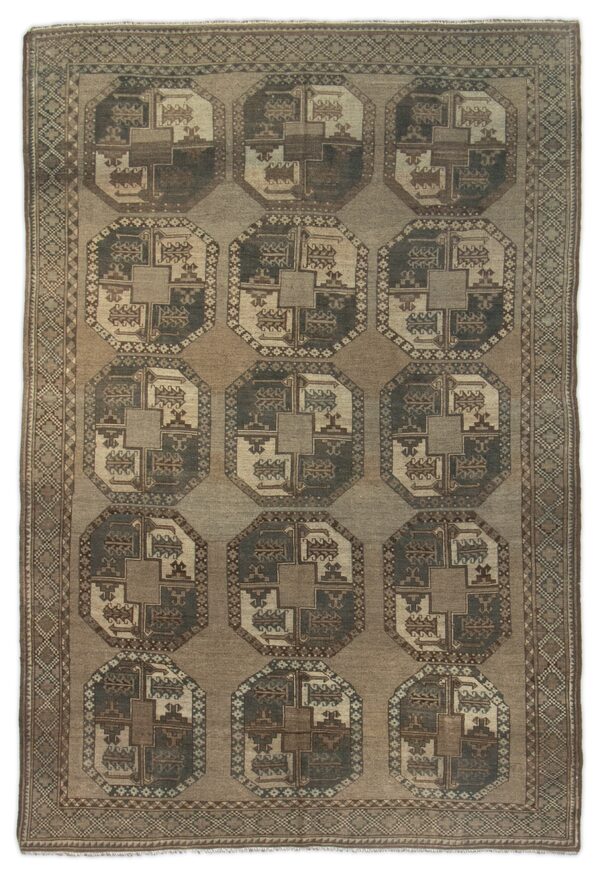
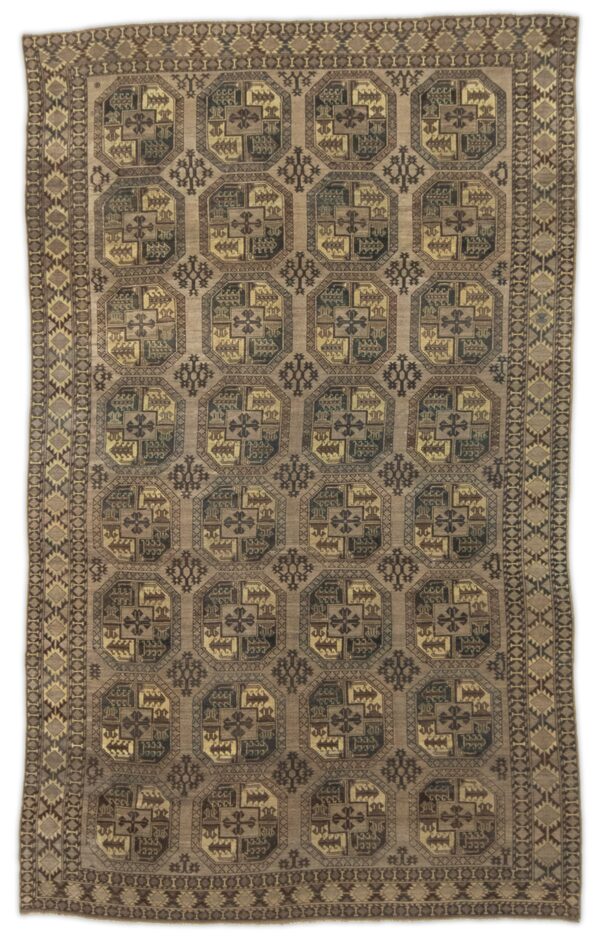
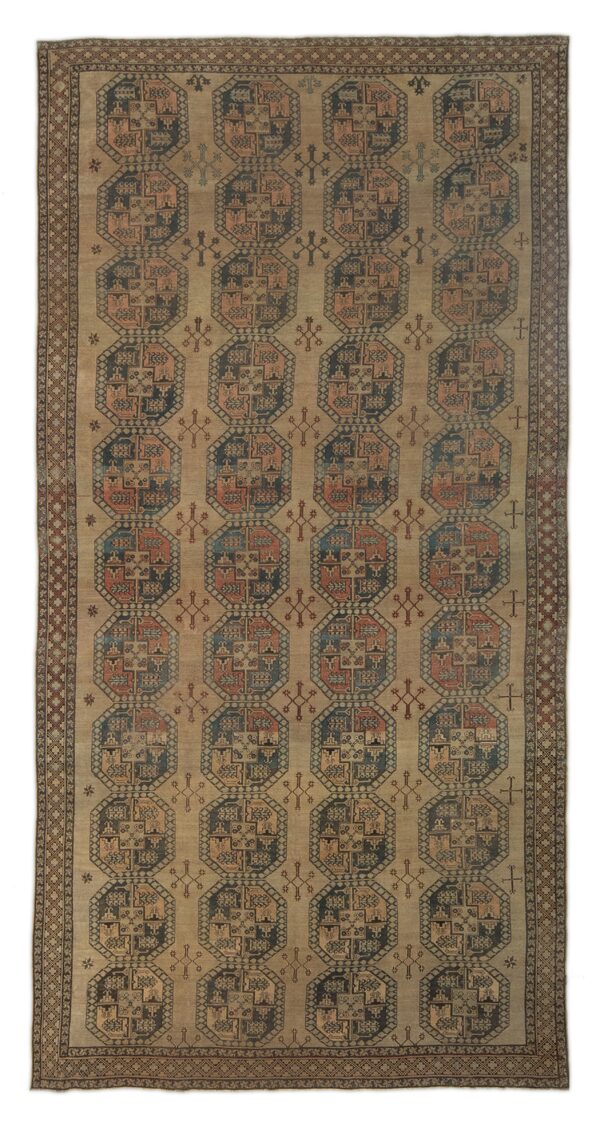
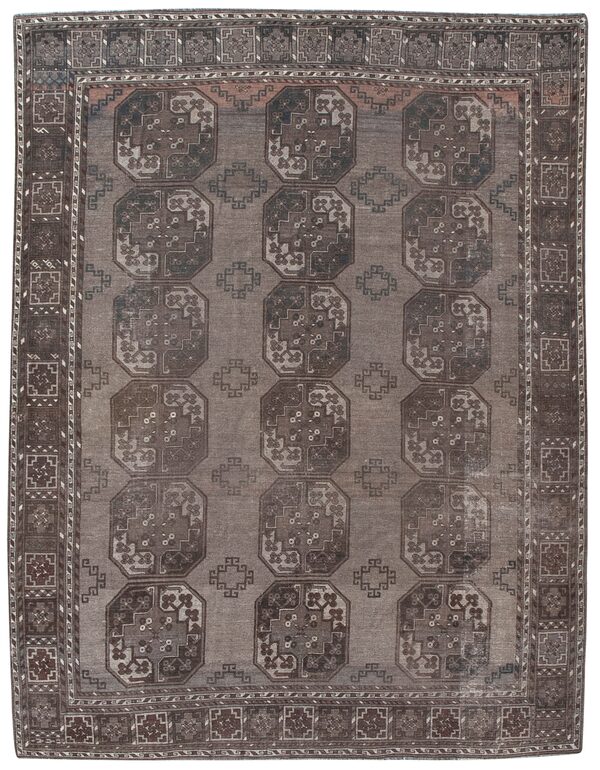
WOVEN's Antique rugs provide existing pieces to consider on their own merits. The Antique Recreations collection offers newly made designs drawing on historical rug traditions. A custom inquiry can begin with a suitable collection reference or a more specific design brief, subject to production review.
Keep those descriptions separate when presenting options. An antique recreation is new production. A rug with a softened palette or deliberately aged finish is not necessarily old. The antique and vintage rug guide explains why appearance alone is not enough to establish age.
Let an antique's condition influence its placement
An antique should be assessed as an individual object. Request clear photographs of the face, reverse, edges and any repaired areas, together with the seller's condition description. Ask which signs of wear are cosmetic and which affect the piece's ability to serve the proposed room.
A little-used sitting room and a dining room used daily for family meals create different conditions. Consider traffic routes, chair movement, spills and light exposure. Sunlight can damage textile fibers and dyes; the amount and location of light belong in the placement discussion even when the rug's existing color variation is part of its appeal.
Have a knowledgeable specialist review uncertainty about structure or repairs. The antique rug evaluation guide helps organize the questions. A photograph and a style label cannot establish that a rug is ready for a demanding placement.
Use a new design deliberately
A new traditional design can be useful when a room needs a historical pattern but a more particular size or color relationship. Ask what can actually be varied in the selected quality. Available construction, dimensions and finishing options need confirmation before they become part of the scheme.
Study the drawing as carefully as the colors. Enlarging a rug can change the relationship between its border and field, or between one motif and the next. If the room needs a long, narrow proportion, a standard design may need more than simple enlargement to remain convincing.
For a custom option from Studio WOVEN, pair the sample with the full artwork. Use the sample to judge the selected color and texture; use the artwork to judge the composition. Confirm that any proposed aged appearance is an intentional finish, not an implied antique provenance.
Try the decision on a specific room
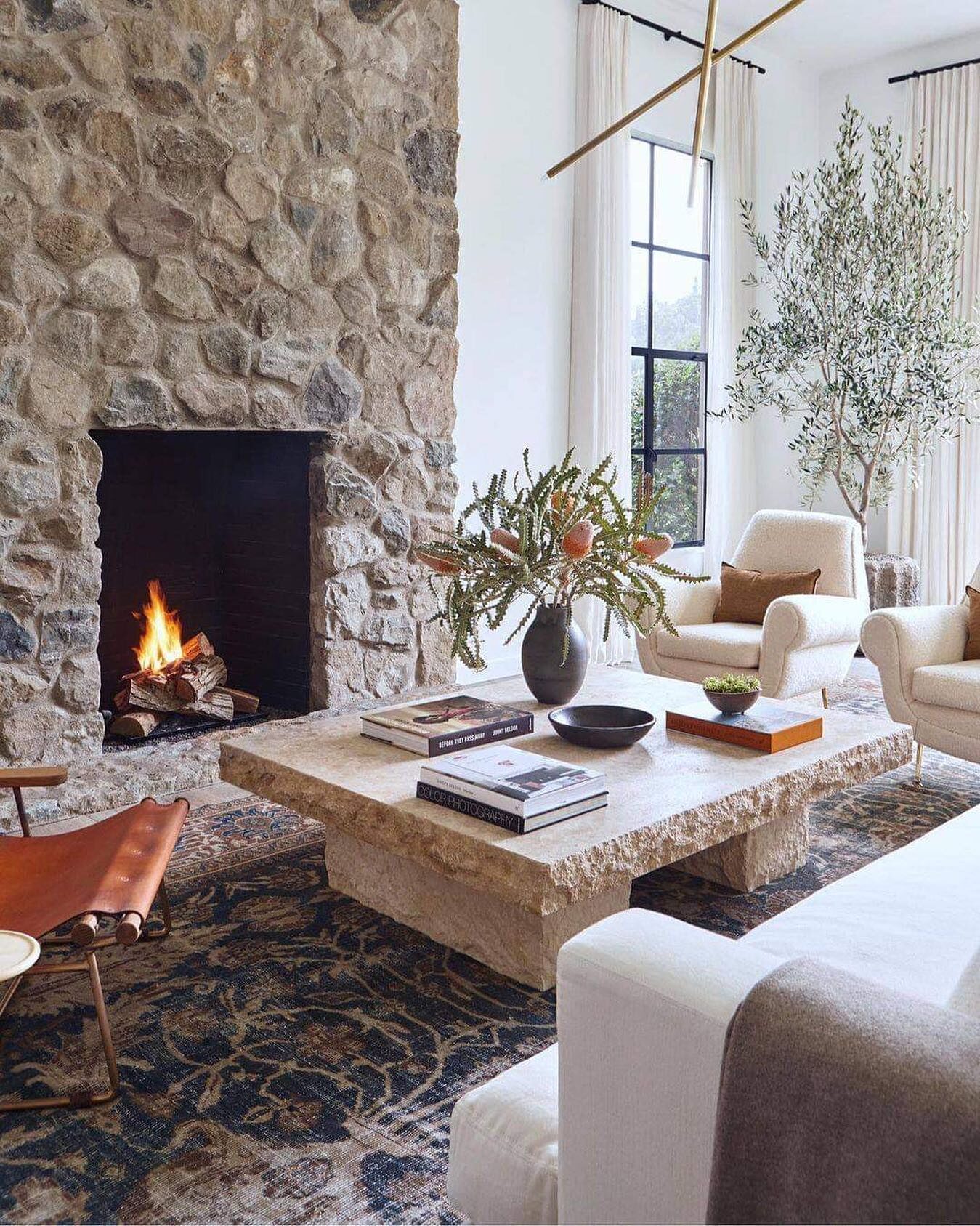
Consider an illustrative sitting room with a central fireplace, two facing sofas, a patterned armchair and tall windows. The room already has a clear axis and one lively textile. Three rug directions could work, but they solve different problems.
If the priority is an existing piece with an individual color composition, consider an antique with a restrained field. Keep it in the shortlist only if its actual dimensions fit and a condition review supports the placement.
If the priority is pattern visible around the coffee table, compare a newly made all-over design with the armchair fabric. Review the pattern at the intended rug scale; small samples may conceal competition between the two textiles.
If the architecture and patterned armchair should remain the focus, compare a quieter custom texture. Approve its color, surface and proportions against that purpose. This room remains an illustrative design exercise, rather than a description of a completed WOVEN commission.
Choose the piece you can explain
Before deciding, write one sentence about what the rug does for the room: connects the seating, gives a quiet space pattern, or supports the architecture without another focal point. Then check the dimensions, condition or specification, and care requirements against that purpose.
The right rug for a traditional home need not match every period detail. It should make sense with the furniture, work in the room's daily life and be described accurately. Bring a plan, photographs and the shortlisted references to WOVEN so those design and practical questions can be considered together.
Published by WOVEN. For questions about this guide or to flag a correction, contact WOVEN.