
knowledge library / Turkish Rugs Explained: Oushak, History, and What Makes Them So Enduring
Turkish rugs have held their place for centuries for good reason. They are deeply rooted in craft, shaped by regional tradition, and known for a balance of beauty and utility that still feels relevant now. Whether you are drawn to their history, their softness, or the way they sit so naturally in a room, Turkish rugs continue to be some of the most admired weavings in the world of interiors.
For many buyers, antique Turkish rugs offer something that newer pieces often do not: a sense of age, texture, and quiet character. They can bring warmth to a modern space, depth to a restrained palette, and a feeling of permanence that never tries too hard. Among the best known are Oushak rugs, a category that has become especially prized for its generous scale, gentle color, and livable elegance.
What is a Turkish rug?
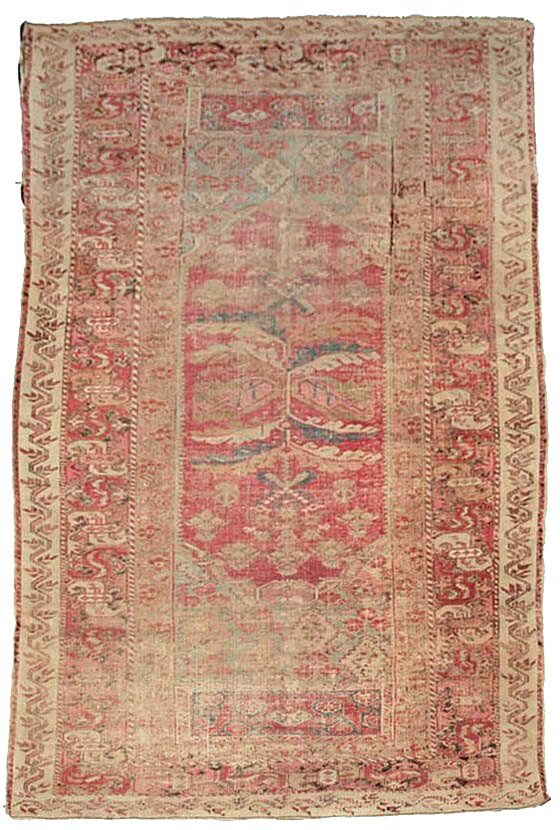
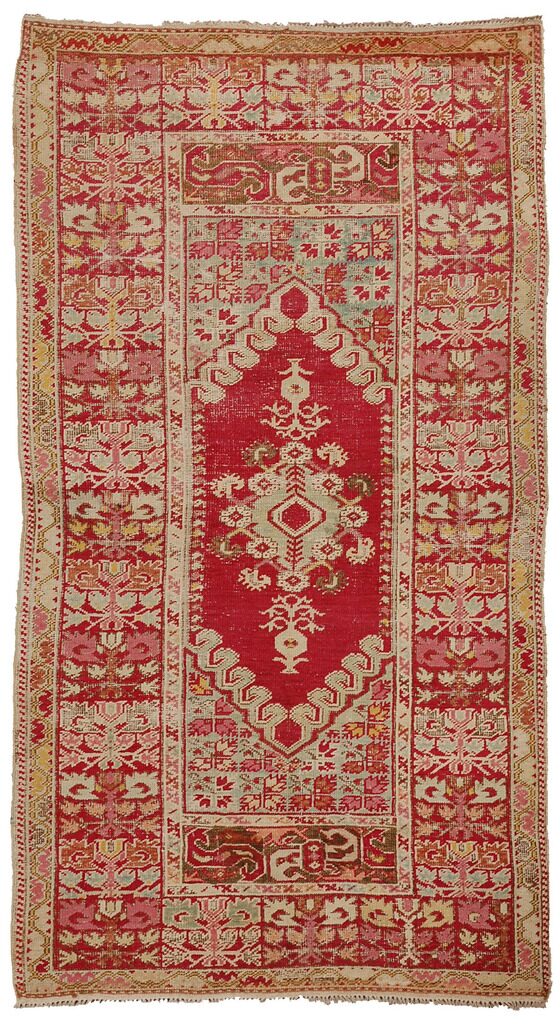
A Turkish rug is a rug woven within the textile traditions of Turkey, most often associated with the long weaving history of Anatolia. The term covers a wide range of styles, from village weavings and nomadic pieces to more formal rugs made for trade and decoration. What connects them is not one specific pattern, but a shared tradition of craftsmanship, material knowledge, and regional design language.
That breadth is part of what makes Turkish rugs so compelling. Some are intricate and decorative, while others are more pared back and practical. Some feel formal, while others feel relaxed and almost architectural. Even across those differences, the best Turkish rugs tend to share a certain clarity. They feel grounded, well-made, and deeply connected to the hand that made them.
Why Turkish rugs matter in the history of weaving
Turkish rugs are central to the history of carpet weaving. For centuries, the weaving traditions of Turkey shaped how rugs were made, traded, and collected across a much wider region. Their influence can be seen in the development of antique rugs more broadly, and their legacy continues to matter in both scholarship and design.
Part of that importance comes from their range. Turkish rugs were not made for just one purpose or one audience. Some were woven for daily life. Others were made for local markets or for export. Over time, these weavings came to represent a rich and varied tradition that balanced utility, symbolism, and decoration. That sense of depth is still part of what gives antique Turkish rugs their lasting appeal.
The Anatolian roots of Turkish rugs
To understand Turkish rugs, it helps to understand Anatolia. This historic region has long been one of the great centers of textile production, and many of the most important Turkish weaving traditions trace back to it. Workshops, villages, and nomadic communities all played a role in shaping the variety that now defines the category.
This is also why Turkish rugs are not easily reduced to one look. Anatolian weaving produced rugs with different palettes, structures, scales, and motifs depending on where and why they were made. Some have a bolder, more graphic presence. Others feel softer and more open. That regional variation is not a side note. It is one of the reasons Turkish rugs remain so rich and interesting to live with.
What is an Oushak rug?
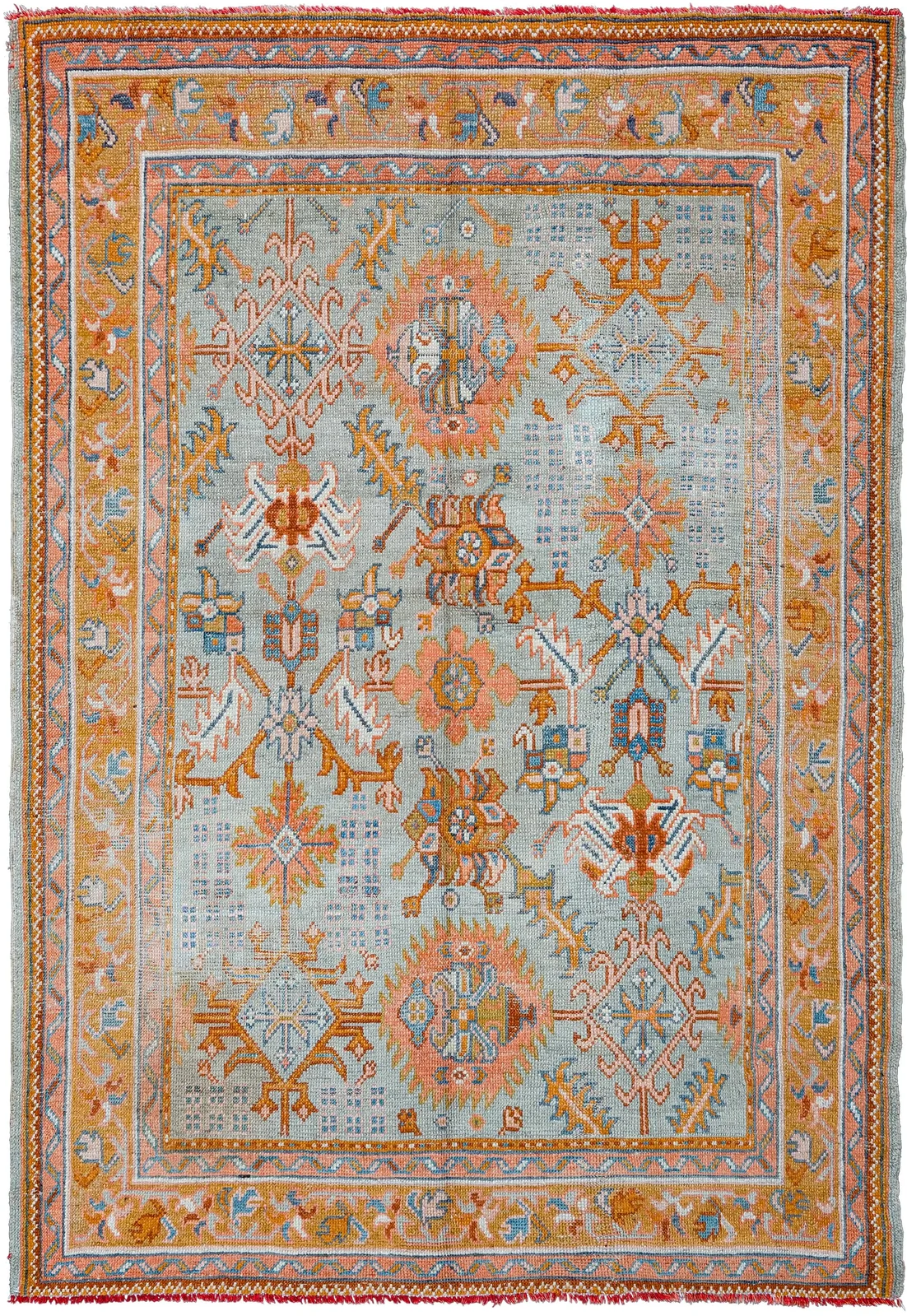
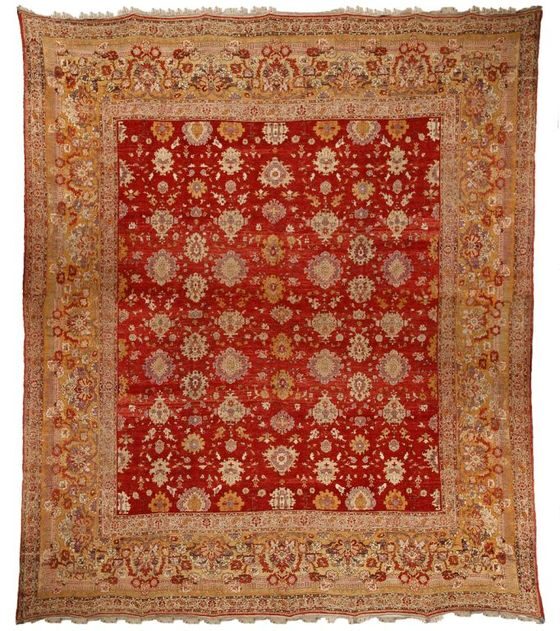
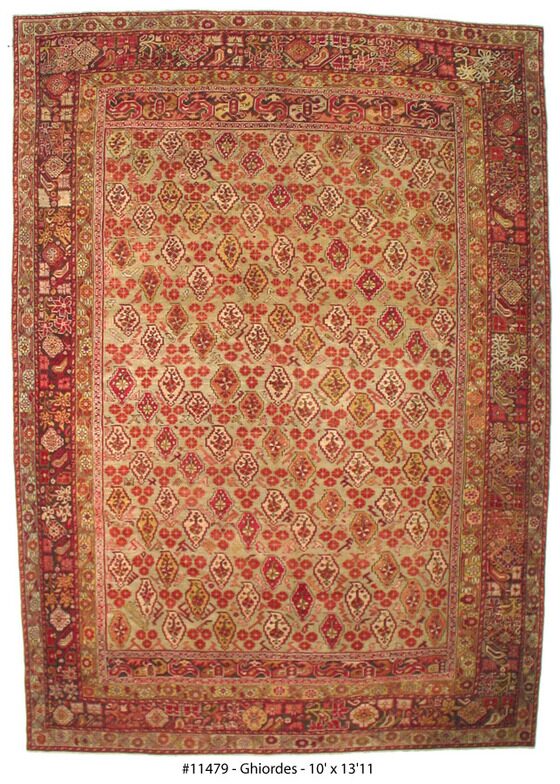
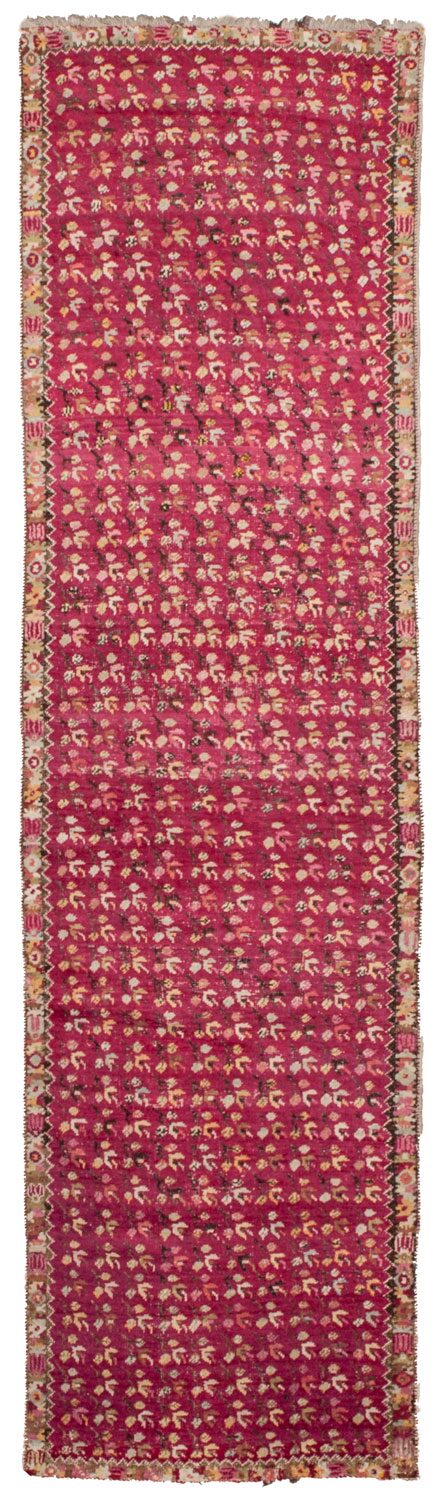
An Oushak rug is a type of Turkish rug associated with the city of Uşak in western Turkey. Oushak rugs are among the most recognizable and sought-after examples of Turkish weaving, especially in the world of antique rugs. They are often known for larger-scale motifs, spacious compositions, and a softer visual rhythm than denser, more intricate rug styles.
For many people, Oushak rugs are the entry point into antique Turkish rugs. They have a way of feeling decorative without becoming busy. Their patterns often read clearly from across a room, and their palettes tend to feel warm, faded, and easy to live with. That combination is a big part of why Oushaks continue to show up in both traditional interiors and more contemporary spaces.
Why Oushak rugs are so enduring
Oushak rugs have remained desirable because they do something not every antique rug can do. They carry age and ornament, but they still feel open. Even when the motifs are expressive, the overall effect is often calm rather than crowded. That balance is part of what makes them so adaptable.
Designers often return to Oushaks for that reason. They bring pattern into a room, but they do not usually overpower it. They add softness without losing structure. They can sit comfortably alongside antiques, but they also work just as well with cleaner lines and more minimal architecture. Their appeal is not only historical. It is also visual and practical.
- They often feature generous, readable motifs.
- Their palettes tend to feel soft, layered, and lived-in.
- They bring age and character without feeling overly formal.
- They work naturally in both classic and modern interiors.
Turkish rugs and everyday life
Part of what gives Turkish rugs their staying power is that many of them began as functional objects. In village and nomadic settings, rugs were made to be used. They provided warmth, comfort, and utility in daily life. That practical foundation shaped the materials, techniques, and durability of the weavings themselves.
Even the more decorative examples often retain that feeling of usefulness. They feel made for real spaces, not only for display. That is part of why antique Turkish rugs still resonate now. They carry history, but they do not feel distant. They still feel close to lived experience.
What makes antique Turkish rugs distinct
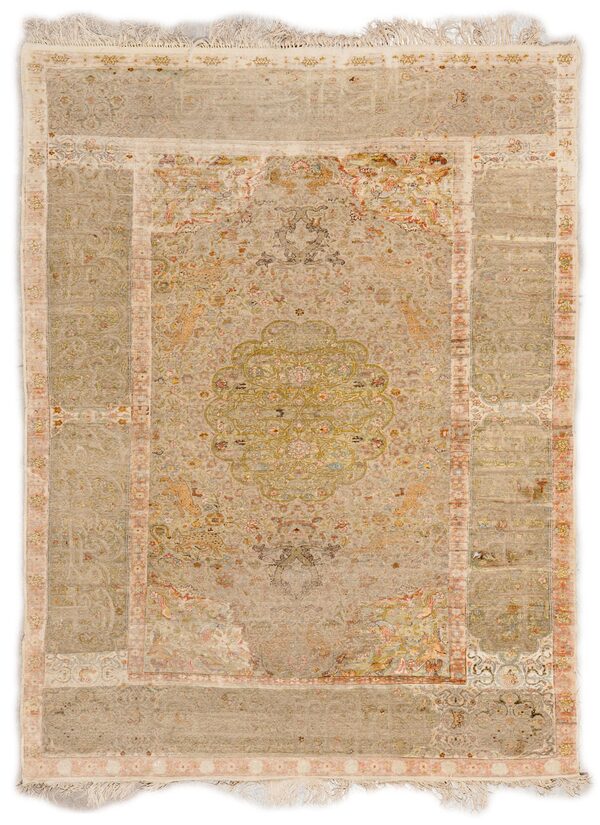
Every major weaving tradition has its own visual language, but antique Turkish rugs are often appreciated for a particular combination of softness, clarity, and balance. They can be decorative, but rarely in a way that feels stiff. They can be historic, but still easy to place in a room that feels current.
Many antique Turkish rugs also have a quality of openness that sets them apart. Their motifs often breathe. Their color palettes can feel mellow rather than sharp. Their surfaces tend to add texture without too much heaviness. All of this makes them appealing not just to collectors, but to people who want a rug that brings depth without making the room feel burdened by ornament.
How to recognize a Turkish rug
Recognizing a Turkish rug usually comes down to a combination of details rather than one single marker. Region, palette, construction, age, and pattern all matter. Some rugs are easier to place than others, especially when they belong to a well-known category like Oushak. But in most cases, identification is about learning to read the rug as a whole.
For buyers, it is often more useful to focus first on qualities rather than labels alone. Does the rug feel balanced? Is the pattern well resolved? Do the colors have depth? Does the surface show character? Those questions can tell you just as much about a piece as a name can.
- Look at the overall scale of the pattern.
- Pay attention to the softness or clarity of the palette.
- Notice whether the composition feels open or dense.
- Consider the materials, wear, and finish of the piece.
- Ask where the rug was sourced and how it has been described.
Why Turkish rugs still work so well today
One of the reasons Turkish rugs continue to feel relevant is that they do not lock a room into one mood. They can add age to a newer interior, softness to sharper architecture, and texture to spaces that need more depth. They rarely feel one-note. A good Turkish rug can do a lot of work quietly.
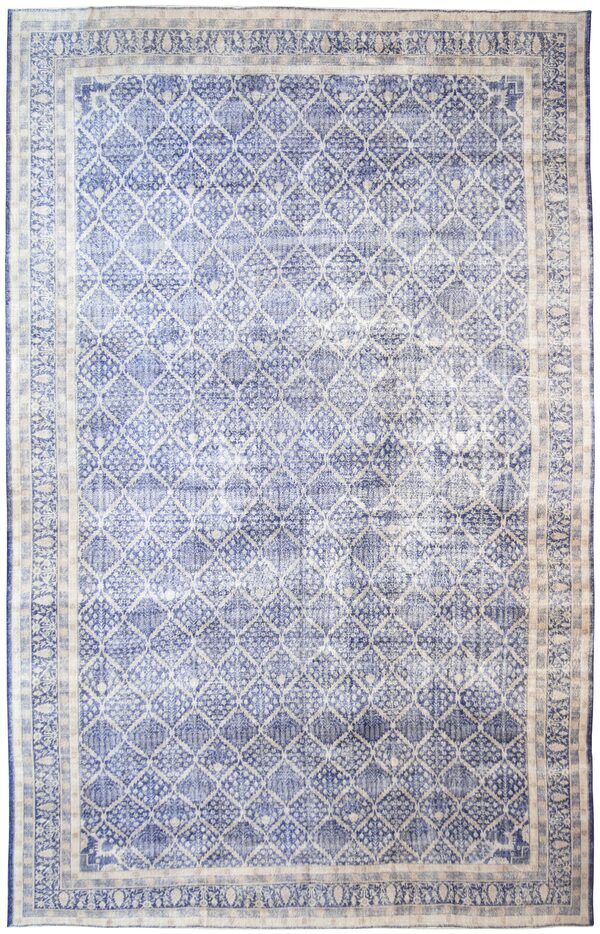
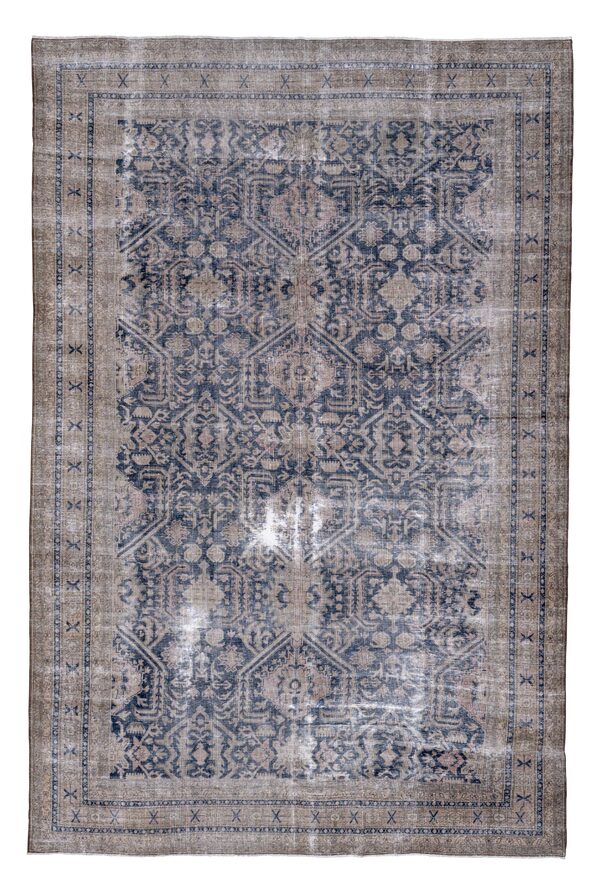
This is especially true of vintage Oushak rugs. They are often substantial without feeling heavy, patterned without feeling busy, and historic without reading as precious. That flexibility is a large part of what keeps them in demand. They do not just belong to the past. They keep finding new life in the present.
Final thoughts
Turkish rugs have endured because they offer more than decoration. They carry regional history, technical skill, and a kind of visual ease that still feels hard to replicate. Whether you are looking at a village weaving, a more formal antique carpet, or an Oushak rug with a beautifully open composition, the best examples have a depth that reveals itself slowly over time.
For anyone exploring antique Turkish rugs, Oushaks are often a strong place to begin. They capture so much of what makes the broader tradition appealing: warmth, clarity, craftsmanship, and a lasting sense of presence. But they are also only one part of a much larger story, one that continues to shape how we live with rugs today.
Frequently asked questions
What is a Turkish rug?
A Turkish rug is a rug woven within the textile traditions of Turkey, often associated with Anatolian craftsmanship, regional motifs, and a long history of weaving by hand.
What is an Oushak rug?
An Oushak rug is a type of Turkish rug from western Turkey, known for its large-scale motifs, softer palettes, and lasting appeal in interior design.
Are Oushak rugs Turkish rugs?
Yes. Oushak rugs are one of the best-known categories within the broader tradition of Turkish rugs.
Why are Turkish rugs so popular?
Turkish rugs remain popular because they combine craftsmanship, history, texture, and versatility. They can bring character to a room without feeling overly formal.
What makes antique Turkish rugs special?
Antique Turkish rugs are valued for their age, artistry, material character, and the way they add warmth and depth to an interior.
Do Turkish rugs work in modern interiors?
Yes. Many Turkish rugs, especially Oushaks, work beautifully in modern interiors because they add softness, texture, and visual history without overwhelming the space.