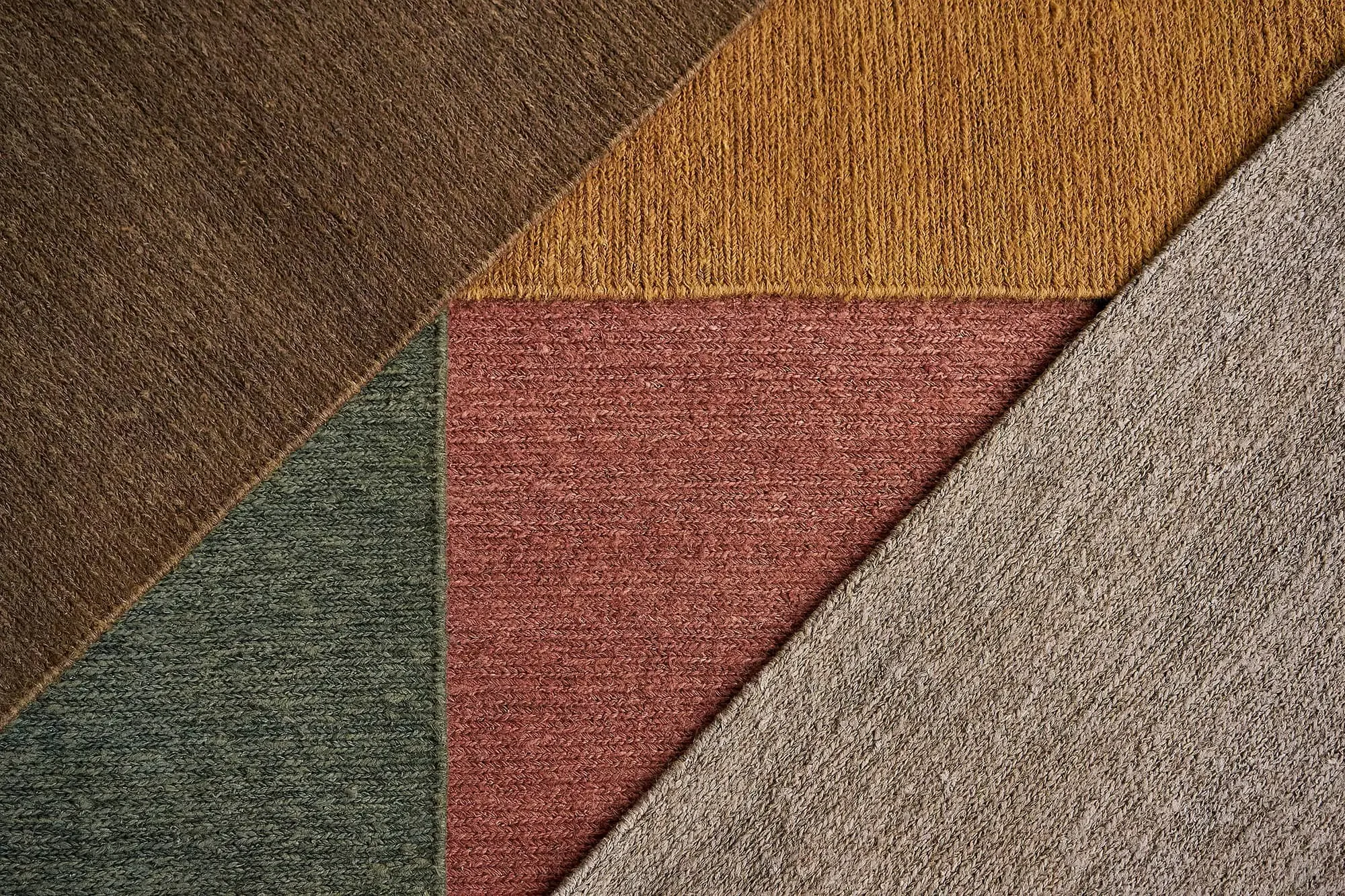
knowledge library / Vegan Rugs: Animal-Free Materials in Luxury Interiors
Vegan rugs are rugs made without animal-derived fibers such as wool, silk, goat hair, alpaca, mohair, or angora. In luxury interiors, the best vegan rugs are not defined by compromise. They are defined by material intelligence: plant-based fibers, thoughtful construction, quiet texture, and a clear relationship between beauty, durability, and ethics.
For designers and collectors searching for vegan rugs, the conversation often begins with fiber content. But the better question is broader: how does an animal-free rug behave in a room? A refined vegan rug should feel intentional underfoot, hold visual presence, and support the atmosphere of the interior without relying on conventional wool or silk.
What makes a rug vegan?
A rug is vegan when its primary fibers and finishing materials do not come from animals. That usually means avoiding wool, silk, mohair, alpaca, angora, goat hair, and other animal-based yarns. Instead, vegan rugs may be made from plant fibers, botanical fibers, cotton, linen, hemp, allo, jute, sisal, or select performance materials.
The term is sometimes used loosely, so material transparency matters. A rug described as natural, sustainable, or eco-friendly is not automatically vegan. Wool, for example, is a natural fiber, but it is not animal-free. A truly vegan rug should be understood through its actual composition, not just its aesthetic category.
Why vegan rugs are gaining relevance in luxury interiors
The rise of vegan rugs reflects a larger shift in design culture. Clients are asking more precise questions about sourcing, fiber origin, sustainability, durability, and the ethics behind the objects they live with every day. Luxury no longer has to announce itself through rare or delicate materials. It can also appear through restraint, tactility, and thoughtful production.
Animal-free rugs are especially relevant in interiors that favor calm natural palettes, architectural minimalism, organic modern rooms, and layered neutral spaces. They can bring texture without visual noise, warmth without heaviness, and a grounded material presence that feels contemporary rather than trend-driven.
The best animal-free rug materials to know
Allo, linen, and hemp
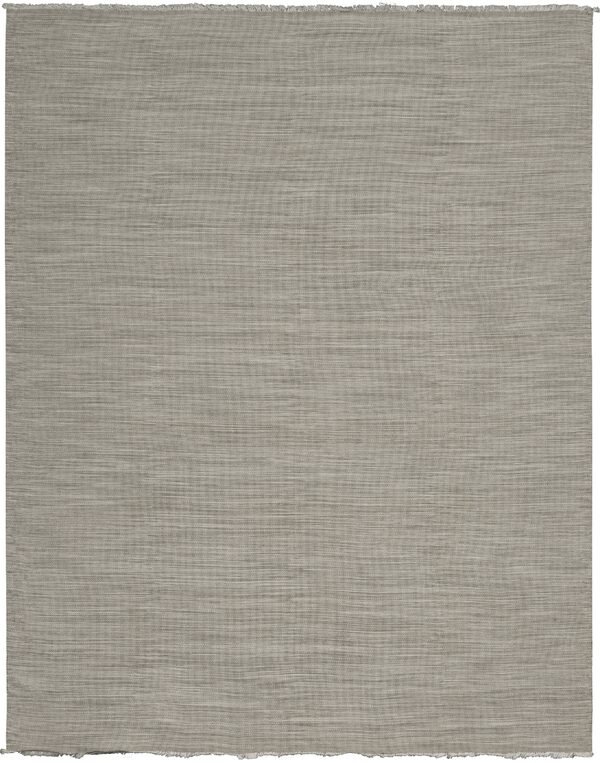
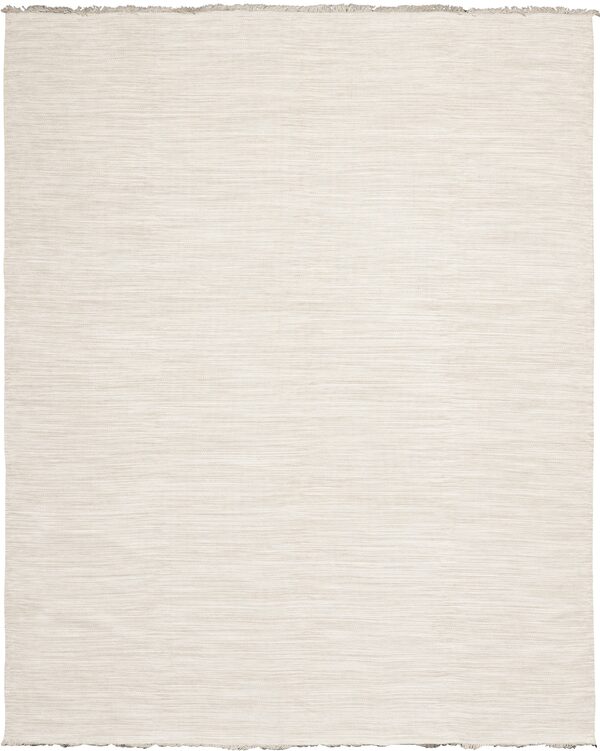
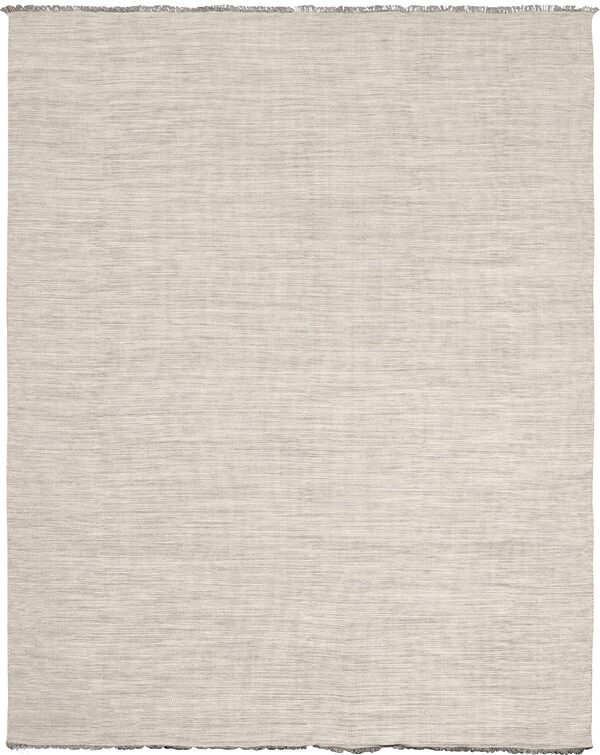
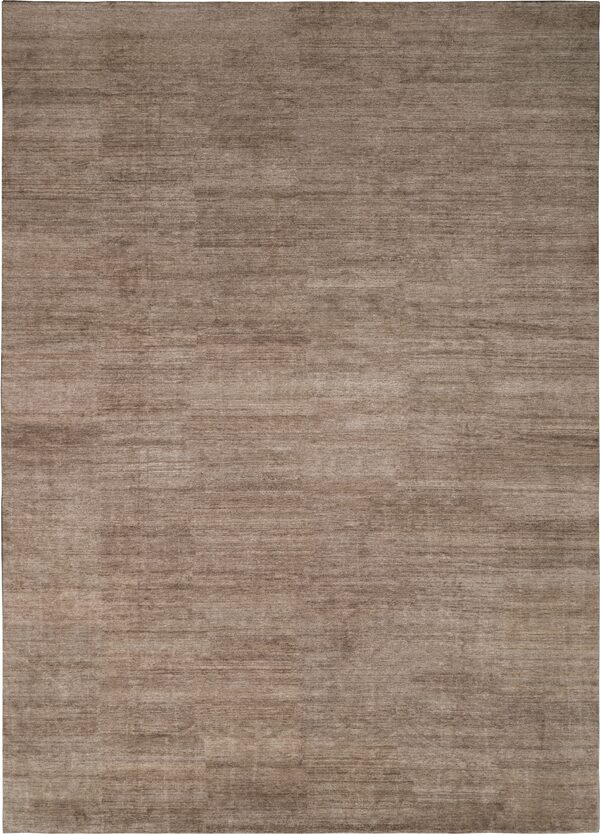
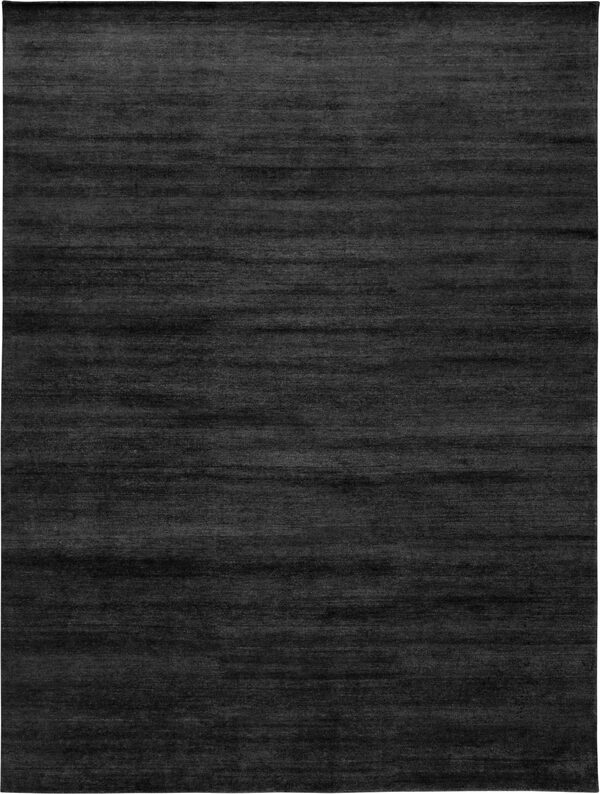
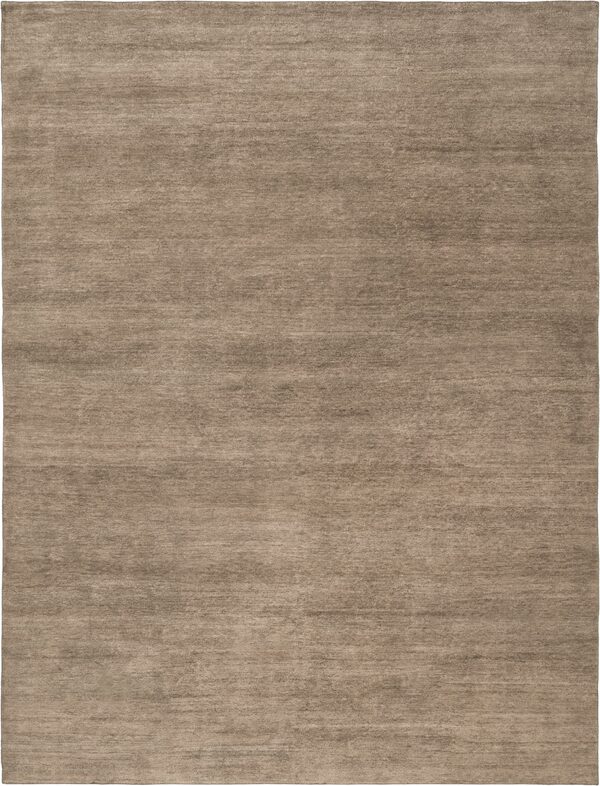
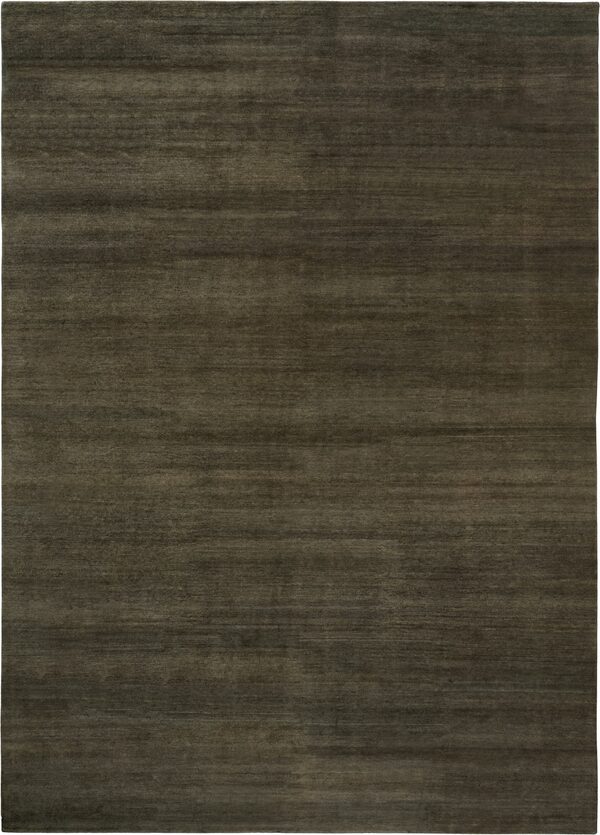
Allo, linen, and hemp are among the most compelling materials for vegan rugs because they offer texture, strength, and a refined natural character. These fibers work especially well in interiors that need quiet structure rather than plush pile. Woven in simple textures or subtle tonal variations, they can feel architectural, earthy, and elevated at once.
WOVEN’s allo, linen, and hemp rugs support this direction particularly well. They offer a plant-based vocabulary for interiors that want natural fiber without animal-derived yarns.
Aloe and botanical fibers
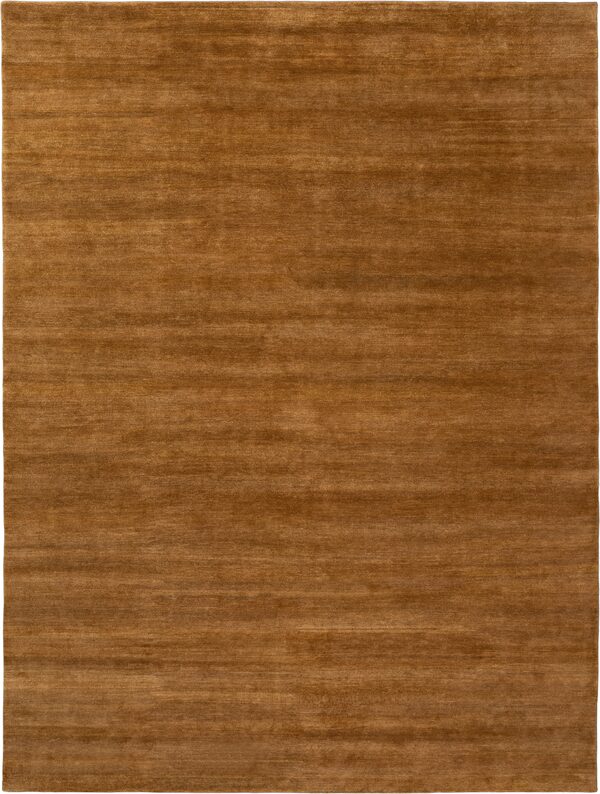
Aloe and related botanical fibers can bring a soft sheen and delicate movement to vegan rug design. They are often used when a room needs a more nuanced surface — something lighter, more luminous, and less rustic than traditional jute or sisal. In the right construction, botanical fibers can help vegan rugs feel sophisticated rather than purely casual.
Cotton
Cotton is one of the most familiar animal-free rug fibers. It can be soft, approachable, and versatile, particularly in flatwoven rugs or mixed-fiber constructions. Cotton rugs often work well in relaxed living spaces, bedrooms, and layered interiors where softness and ease are important.
For luxury applications, cotton is strongest when the construction is intentional. A refined weave, considered scale, and elevated palette help prevent cotton from reading as overly casual.
Jute and sisal
Jute and sisal are two of the most searched natural fiber rug materials, and both can be animal-free. Jute tends to feel warmer and more relaxed, while sisal is typically firmer and more structured. Both bring an organic texture that can ground a room, especially under wood, stone, linen upholstery, or sculptural furniture.
They are not always the softest option underfoot, so they should be chosen with placement in mind. Sisal can work beautifully in formal living rooms, offices, and transitional spaces. Jute can soften casual rooms, layered bedrooms, and organic modern interiors.
Performance flatweaves
Performance vegan rugs are useful when a space needs durability, cleanability, and a more tailored profile. In high-traffic interiors, hospitality settings, or family homes, a performance flatweave can offer the animal-free quality clients want with a level of resilience that delicate natural fibers may not provide.
WOVEN’s Performance Soumak rugs are especially relevant here. The category directly supports eco-friendly, vegan flatweave design for interiors that need texture, structure, and durability.
Are vegan rugs the same as sustainable rugs?
Not always. Vegan rugs are animal-free. Sustainable rugs are evaluated through a broader lens that may include fiber renewability, dye practices, production methods, longevity, biodegradability, transportation, and how long the rug remains useful in a home.
There is overlap, but the terms should not be used interchangeably. A vegan rug can be sustainable when it is made from responsible plant-based fibers, built to last, and designed with restraint. A sustainable rug, however, may still contain wool or other animal fibers. For clients who want both, the ideal direction is a rug that is animal-free, durable, repairable where possible, and aesthetically enduring.
How vegan rugs perform in real interiors
Performance depends less on the word “vegan” and more on the fiber and construction. A flatwoven hemp rug will behave differently from a cotton rug, a sisal rug, or a performance soumak. This is where buyer education becomes useful.
- For softness: consider cotton, refined botanical fibers, or softer flatwoven constructions.
- For structure: sisal, hemp, and tightly woven plant fibers can give a room a crisp foundation.
- For texture: jute, allo, hemp, and linen bring visible natural variation.
- For durability: performance flatweaves and dense woven constructions are often the strongest choices.
- For quiet luxury: look for tonal palettes, subtle weave variation, and materials that age gracefully.
Where vegan rugs work best
Vegan rugs are particularly strong in rooms where texture matters more than pile height. They work beautifully beneath sculptural furniture, in neutral living rooms, in serene bedrooms, in gallery-like interiors, and in spaces where the rug is meant to support the architecture rather than dominate it.
For dining rooms, offices, entries, and high-traffic living spaces, low-profile vegan flatweaves can be especially practical. For bedrooms and quieter spaces, softer cotton or botanical fibers may be more appropriate. The key is to match the material to the room’s rhythm, not simply to the visual style.
How to choose a vegan rug for a luxury interior
Begin with the room’s functional needs. A rug in a formal living room can prioritize texture and composition. A rug in an entry or dining area should prioritize durability and ease of maintenance. A bedroom may call for softness and a quieter hand.
Then consider tone and scale. Vegan rugs often perform best when their materiality is allowed to be visible. Natural variation, irregular fiber character, and subtle shifts in color can give a room depth without adding pattern. In a luxury interior, that restraint is often the point.
Finally, verify the fiber content. If the goal is animal-free sourcing, avoid vague terms and confirm whether the rug includes wool, silk, or animal hair. Plant-based does not have to mean plain, and luxury does not have to depend on animal fibers.
Vegan rugs and the future of refined interiors
The strongest vegan rugs do more than answer an ethical preference. They expand the language of luxury materials. Allo, linen, hemp, cotton, sisal, jute, aloe, and performance fibers each offer a different kind of beauty — matte, dry, luminous, structured, relaxed, or architectural.
For contemporary interiors, that range is valuable. A vegan rug can feel minimal, textured, warm, and highly considered. It can support a design scheme without overpowering it. And when chosen well, it can bring the kind of quiet permanence that defines the best rooms.
FAQ
What are vegan rugs made of?
Vegan rugs are typically made from animal-free materials such as cotton, linen, hemp, allo, jute, sisal, aloe-based fibers, botanical fibers, or select performance yarns. They do not use wool, silk, mohair, alpaca, goat hair, or other animal-derived fibers.
Are natural fiber rugs always vegan?
No. Natural fiber rugs can be made from plant fibers or animal fibers. Jute, sisal, cotton, linen, hemp, and allo can be vegan, while wool, silk, alpaca, mohair, and goat hair are natural but not vegan.
What is the best vegan rug material?
The best vegan rug material depends on the room. Hemp, sisal, and performance flatweaves are strong for structure and durability. Cotton and botanical fibers can feel softer. Allo, linen, and hemp are especially useful when a room needs refined natural texture.
Are vegan rugs durable?
Many vegan rugs can be durable, especially when they are tightly woven or made from performance fibers. Durability depends on the specific material, weave, traffic level, and care routine rather than the vegan designation alone.
Can vegan rugs look luxurious?
Yes. A vegan rug can look luxurious when the materials, weave, palette, and scale are carefully considered. In many interiors, the most refined vegan rugs are quiet, textural, and understated rather than decorative in an obvious way.