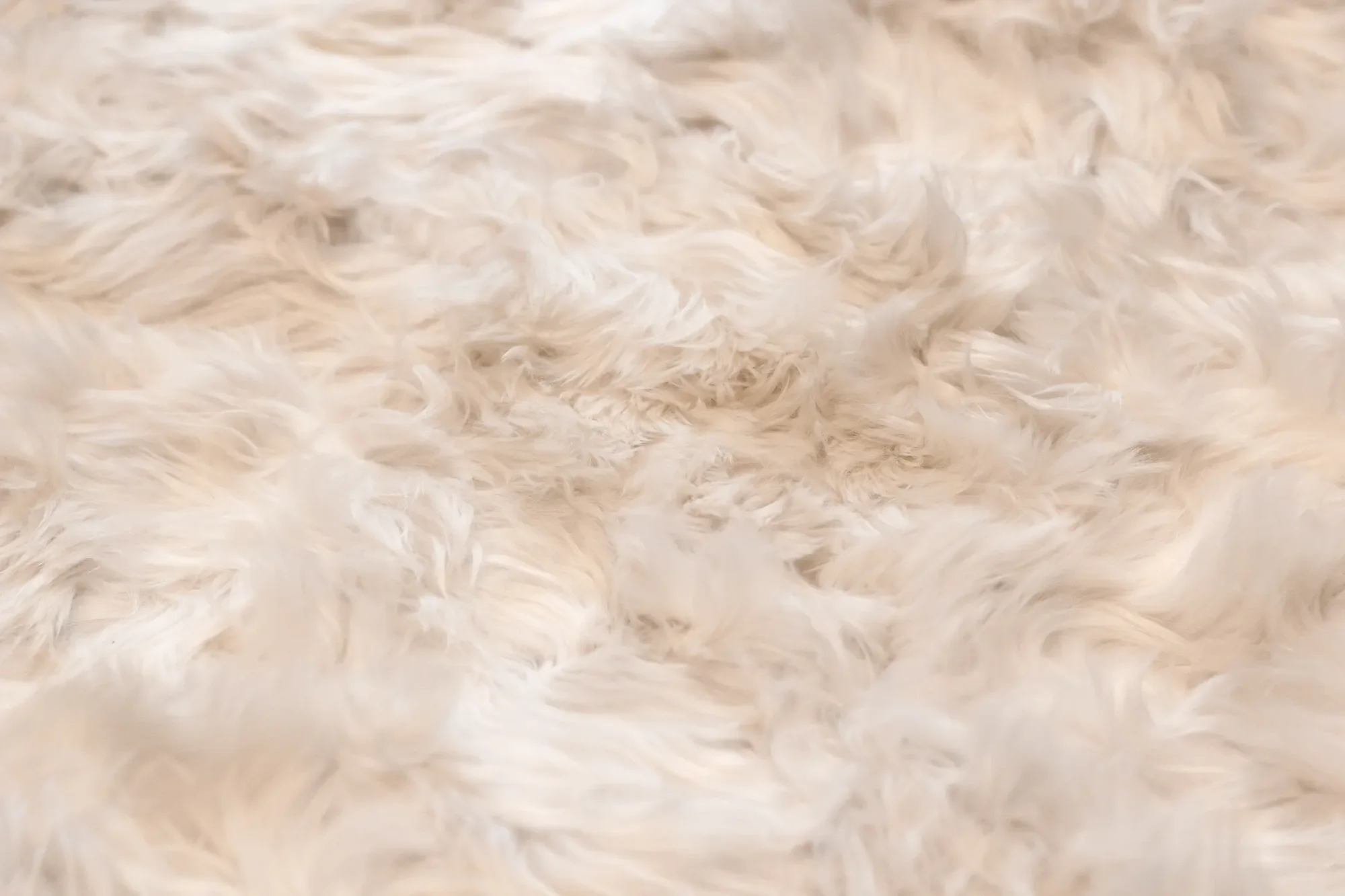
knowledge library / Alpaca rugs: pros, cons, and the difference between woven and hide
Alpaca rugs can offer a soft surface, natural tonal variation and a distinctive texture. Their practical limitations depend on how they are made. An alpaca hide rug retains hair on a skin substrate; a woven rug uses spun fiber in a textile construction. Identify which you are considering before comparing room suitability, maintenance or value.
The distinction is easy to miss in a photograph. A pale, deep surface may look similar on screen while its underside, edges and care requirements are quite different. The first useful request is a clear product description, followed by a sample or photographs that show more than the face.
What does “alpaca rug” describe?
Alpaca fiber can be harvested by shearing and processed into yarn. That yarn can then be used in a woven rug, either alone or with other fibers. The word alpaca identifies a material; it does not establish the rug's fiber percentages, foundation, backing or construction.
An alpaca hide is a different product. The hair remains attached to the skin rather than being spun into yarn. Ask how the finished rug is assembled and whether it has an additional backing. The treatment and condition of that substrate belong in the care discussion.
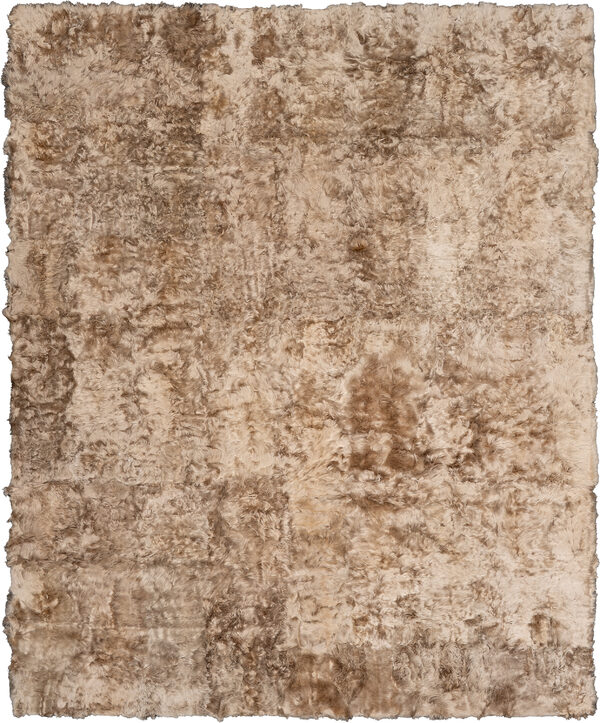
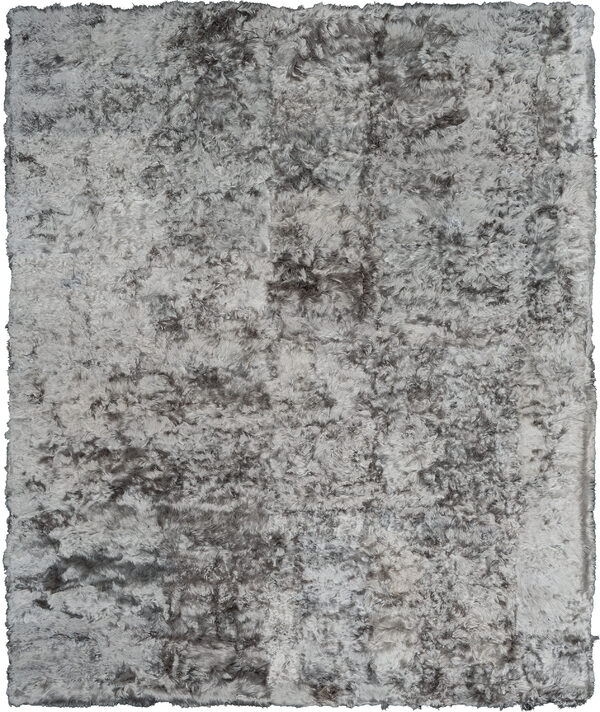
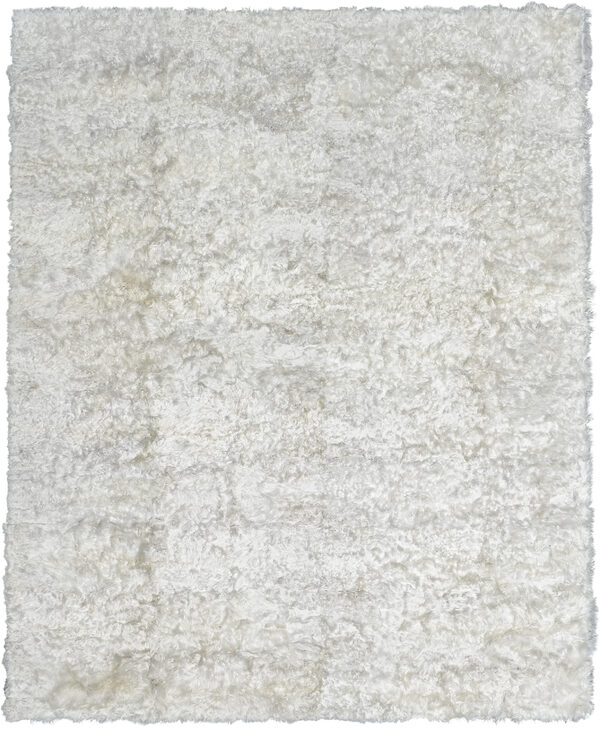
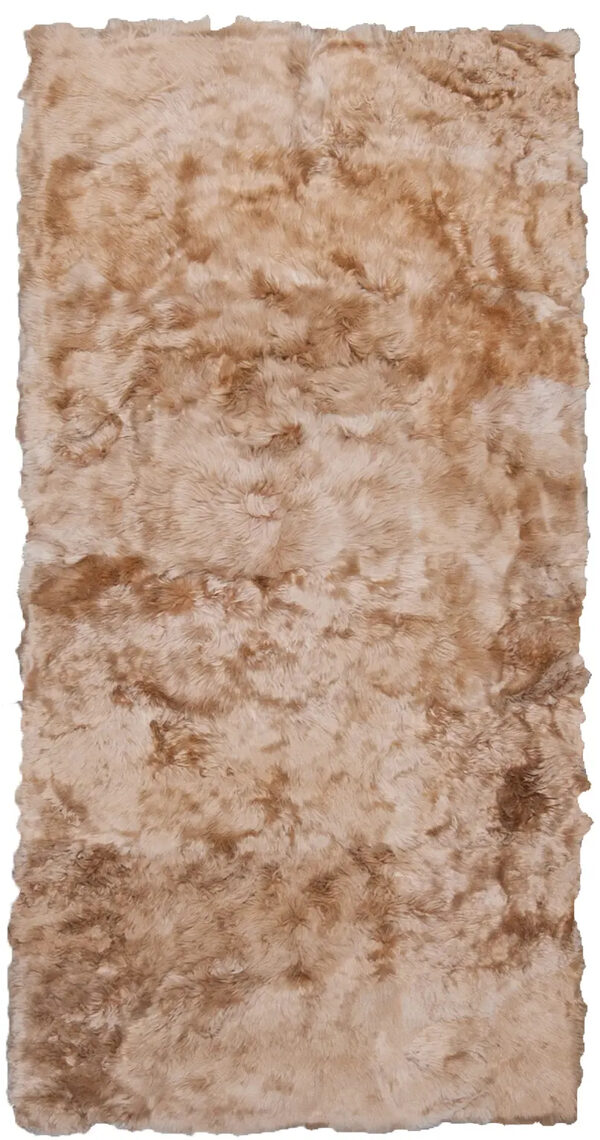
WOVEN's current Alpaca collection is described as natural hide. Its soft surface and variation in cream, silver and gray are part of the collection's stated character. Those descriptions should not be read as evidence that every alpaca textile has the same composition or maintenance needs.
| Product description | What to verify | Why it changes the decision |
|---|---|---|
| Alpaca hide | Skin substrate, assembly, backing and approved care | The hair and the substrate both need suitable treatment |
| Woven alpaca | Fiber percentages, yarn, weave and foundation | The finished textile determines the surface and handling requirements |
| Alpaca blend | Which fibers are blended and where they occur | A blend should be assessed on its own specification |
| Alpaca-look or alpaca-feel | Actual fiber content | Appearance or softness alone does not establish the material |
Where alpaca's appeal is most evident
A rug is sometimes chosen for the few moments when someone touches it directly: getting out of bed, sitting beside a low table or walking barefoot through a private dressing room. Alpaca is worth considering when its particular hand is central to that experience.
Natural variation can also give a quiet room more depth. Compare the actual sample with the upholstery and flooring in the intended light. Look at it from the doorway and from a seated position. A subtle change in sheen or tone may be welcome in one scheme and distracting in another.
These are reasons to inspect a sample, not promises of comfort for every person. Hair length, the selected fibers and the finished construction all affect how the surface feels. A photograph cannot settle that choice.
The practical tradeoffs to resolve
Compare the appeal of the particular rug with the requirements it brings into the room.
| Possible appeal | What needs resolving |
|---|---|
| A soft surface for barefoot contact | Handle the actual sample; the material name does not establish comfort for every person. |
| Natural tonal variation in a quiet room | Approve the actual color range and decide whether the variation suits the surrounding finishes. |
| A distinctive hide or woven texture | Identify the construction, underside and backing before choosing a care method. |
| A tactile layer beside a bed or seating area | Confirm suitability for the household's traffic, pets, spills and furniture movement. |
A bedroom with occasional barefoot traffic and a living room with pets, food and rolling furniture place different demands on a rug. A soft hand does not settle those practical questions.
Before shortlisting an alpaca rug, describe the activities that happen in the room. Include shoes, pets, furniture movement and the likelihood of spills. Ask the supplier which of those uses are supported for the exact product and what appearance changes the owner should expect.
For a hide rug, review the seams or joins where applicable, the edges and the underside. For a woven rug, examine how the surface is held in the construction and ask about loose yarns, loops or pile movement where relevant. The material guide can help frame a comparison with wool, mohair and other alternatives.
Keep durability claims tied to a defined rug and use. A soft hand is an observable quality; it does not demonstrate resistance to repeated traffic or cleaning. An expensive rug still needs a workable maintenance plan.
Keep hide care and woven-rug care separate
Ask for written care instructions that identify the product being discussed. Instructions for a woven alpaca blend should not automatically be applied to a hide rug, and garment-care advice should not become a rug-cleaning method.
Before delivery, establish the approved routine for removing loose soil and the first contact for a spill. Confirm suitable equipment and whether a professional cleaner needs specific experience with the construction. Avoid experimenting with water, household stain removers or an unfamiliar cleaning machine.
The supplier and care specialist should confirm the method for the selected hide or textile, including the substrate and backing. Where instructions are unclear, resolve them before the rug reaches a room with frequent spill exposure.
Ask separately about sourcing and health claims
The distinction between sheared fiber and hide is also relevant to a buyer's sourcing preferences. Ask which product you are buying and request the documentation needed to assess its origin and processing. A natural-fiber label alone cannot establish an animal-welfare standard or a complete environmental history.
Similarly, descriptions such as hypoallergenic or allergy-safe need evidence beyond a fiber name. If a particular sensitivity affects the purchase, discuss the actual finished product and its treatments with the appropriate professional.
Make the comparison specific enough to choose
Shortlist the actual rug, not an idealized version of the material. Record its product reference, whether it is hide or woven, its composition and construction, the sample reviewed, and the approved care requirements. Compare those details with an alternative intended for the same room.
An alpaca rug makes sense when its texture is wanted, the exact construction suits the proposed use, and the owner accepts the care it requires. If the construction or care remains uncertain, use the WOVEN contact page to resolve those points before ordering.
Published by WOVEN. For questions about this guide or to flag a correction, contact WOVEN.