knowledge library / Oversized custom rugs: planning size, production, delivery, and installation
To order an oversized custom rug, start with a specialist who can review the design, the selected construction and the route into the room together. Send finished dimensions, a furniture plan, access information and the required installation date. WOVEN can discuss custom rug proposals; the feasible size, finish, packing method and schedule need confirmation for the particular quality before an order proceeds.
A large drawing can make the decision look settled. On site, a narrow landing, an offset doorway or a fixed dining table may still change how the rug can be delivered and placed. These questions belong near the beginning of the commission, while the design can still respond to them.
Decide what the extra size needs to achieve
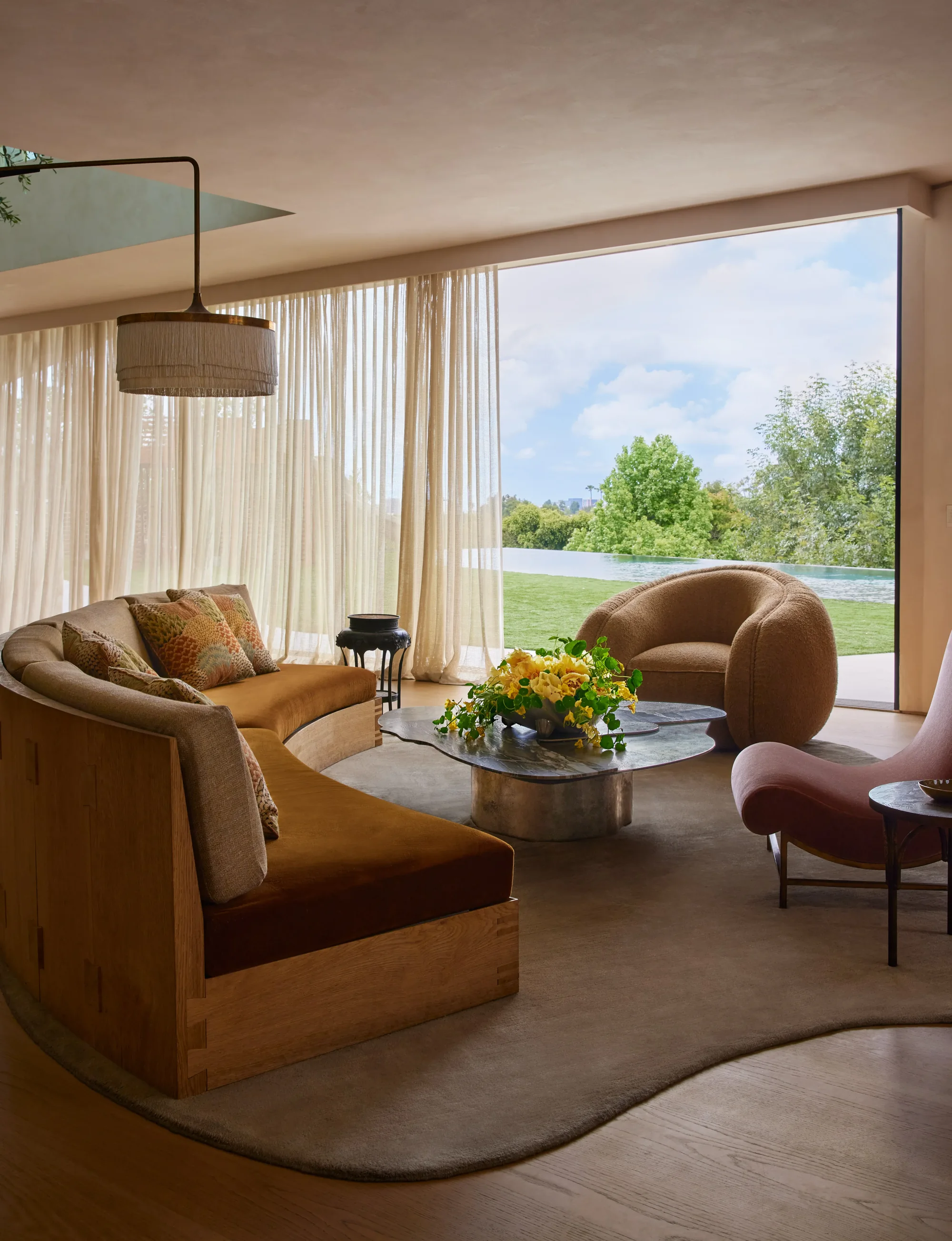
An oversized rug may connect two seating groups, bring a long room into proportion or give a dining arrangement enough room to function. Write down that purpose before choosing the dimensions. A continuous surface beneath an open living area asks something different of the rug than two separate seating islands.
Compare a single large rug with a pair of smaller rugs on the furniture plan. The larger option can create a more unified field. Separate rugs can give each group its own boundary and may make future furniture changes easier. Neither arrangement should leave the most-used walking route dependent on an awkward sliver of exposed floor.
The rug size guide covers furniture placement. For an oversized commission, carry those decisions into a measured plan that also shows doors, fixed joinery and the intended rug orientation.
Confirm the size for the actual construction
There is no useful universal maximum for a custom rug. The proposed dimensions have to be reviewed against the selected construction, available production method, edge finish and the way the finished piece will be handled. A size offered in one quality should not be assumed available in another.
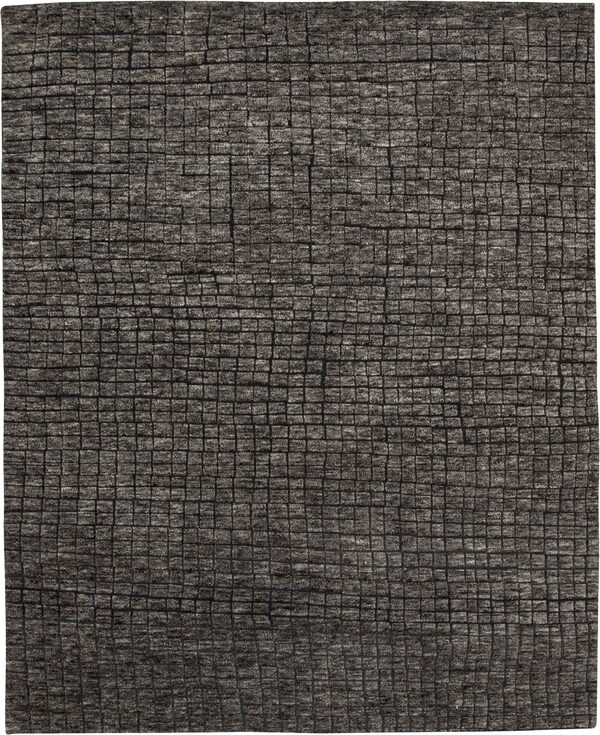
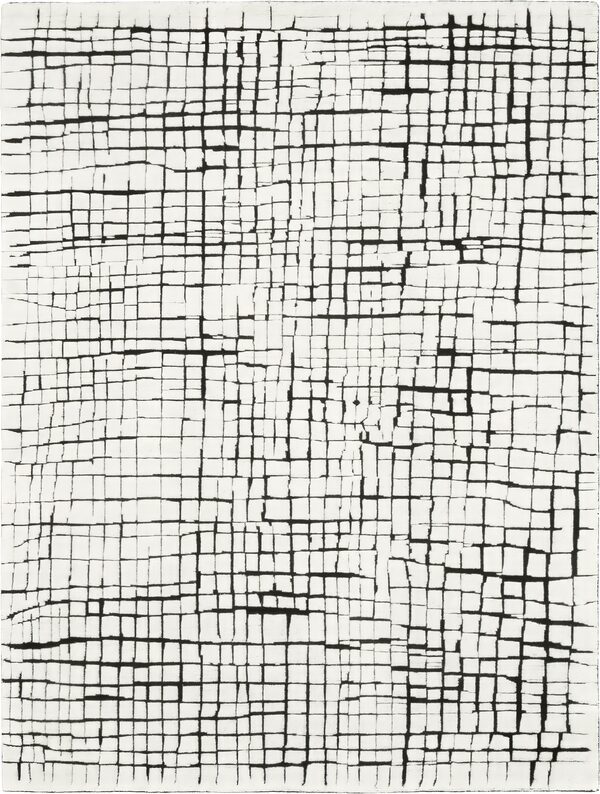
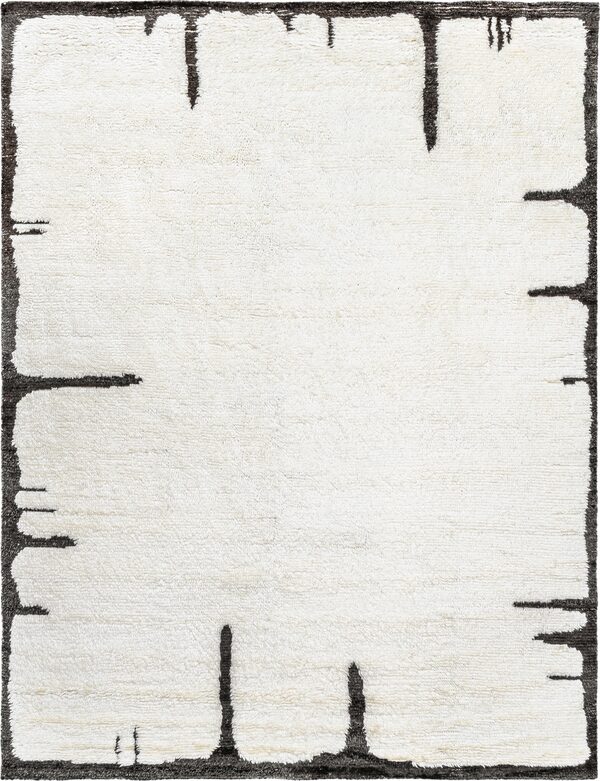
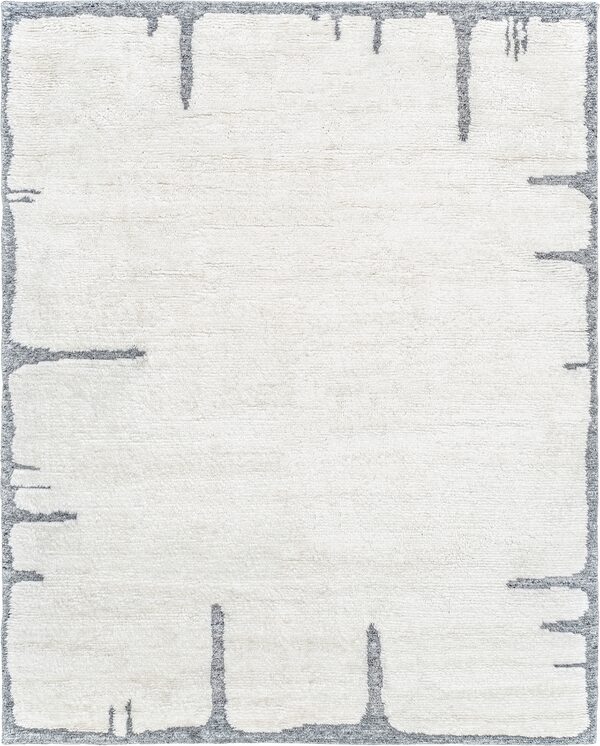
A useful inquiry begins with a specific design or texture from Studio WOVEN, or a clearly described bespoke proposal. Include both dimensions and the units. Say whether the measurement covers the woven body only or includes fringe, and identify any edge that must align with an architectural feature.
Ask for the acceptable dimensional tolerance in writing. A hand-produced rug should not be ordered to fit a tight recess on the assumption that its finished measurement will be mathematically exact. Where the design approaches walls, thresholds or fitted furniture, the installer and production team should review the relationship together.
For a shaped rug, provide a dimensioned outline and identify which face and direction the drawing shows. A reference photograph helps communicate an idea; it cannot replace the measurements needed to make that shape.
Review the pattern at full rug scale
Making a rug larger raises a design question as well as a production question: what happens to its composition?
A border can retain its width while the field expands. A repeat can gain more motifs. A medallion can grow with the overall rug. Each choice produces a different relationship to the furniture, even when the colors remain the same.
For example, in an illustrative long sitting room with two sofas, a large central motif might disappear beneath the main coffee table. An all-over field could distribute the pattern more evenly through the exposed areas. This is a drawing exercise to test for the proposed room, not a reason to reject every medallion design.
Review the artwork with the furniture footprints overlaid. Ask which parts are shown at true scale and which are reduced for presentation. A physical sample can help establish color and texture; the full drawing establishes how the design occupies the floor. Keep both with the approved custom rug specification.
Measure the delivery route, including the turns
The finished rug dimensions and its packed dimensions answer different questions. Confirm how the selected rug can be packed, its expected package dimensions and weight, and the handling arrangements required. Avoid planning around an assumed fold or roll direction.
Give the delivery team information about the complete route:
| Part of the route | Information to supply |
|---|---|
| Arrival and unloading | Vehicle access, delivery restrictions and the receiving contact |
| Building entrance | Clear opening dimensions and obstacles beside the door |
| Lift or staircase | Lift opening and internal dimensions, landings and changes of direction |
| Final approach | Corridor widths, turns, door openings and fixed furniture |
| Room | Clear working area and the sequence for moving furniture into place |
A photograph of a doorway is useful context, but a route review needs measurements. The delivery or installation team should assess whether the package can travel through that route safely. If access is unresolved, leave the order dependent on that confirmation.
Confirm who coordinates each stage, from production through warehouse receipt to delivery at the property. Ask for the contact responsible for the final site survey and arrival appointment, and make sure that person has the latest access information.
Separate production timing from installation readiness
Ask what the quoted lead time begins with and where it ends. Artwork approval, sample approval, production release, arrival at a warehouse and installation are separate milestones. A rug that has completed weaving may still need finishing, inspection, packing and transport.
Large size, material changes and a revised design can affect the proposed production route. Ask for a fresh schedule when those decisions change. A rush request needs confirmation against the actual order.
The custom-rug timing guide explains the stages to discuss. For the oversized proposal, add the building's receiving arrangements and the date when the room will be clear and ready.
Agree on the installation handoff
Use the following table to agree responsibilities for the order. The roles are questions to settle with the parties involved, rather than a statement that a particular service is included.
| Stage | Decision to record | Contact to identify |
|---|---|---|
| Before delivery | Packing method, package dimensions and the measured access route | Production contact and delivery or installation lead |
| Room preparation | Who clears the room and moves the furniture | Client, designer or appointed service provider |
| Placement | Who supplies and fits the underlay and checks doors, edges and transitions | Supplier and installer for the selected rug and floor |
| Arrival inspection | Who checks the rug against the approved specification and records damage or discrepancies | Receiving contact and supplier contact |
Keep the agreed responsibilities with the packing and care instructions. Establish how to report damage or a specification mismatch before installation continues.
The selected rug and floor determine the appropriate underlay and placement method. Have the installer review edges, door movement and transitions as part of the same assembly. A large rug can be difficult to reposition after heavy furniture has been returned.
To begin a WOVEN feasibility conversation, send the plan, desired dimensions, preferred rug reference, access photographs with measurements, and target installation date through the WOVEN contact page. A complete brief gives production and operations something concrete to review before the room depends on the order.
Published by WOVEN. For questions about this guide or to flag a correction, contact WOVEN.