knowledge library / How to choose rugs for a California modern home
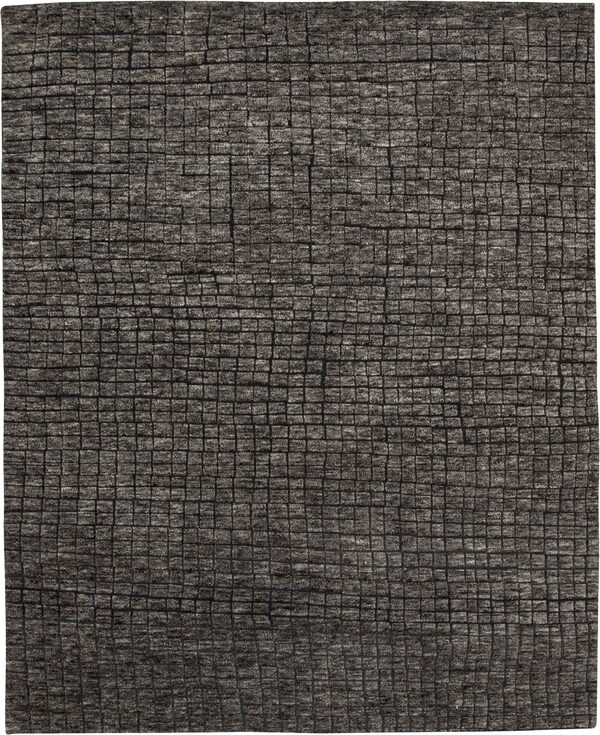
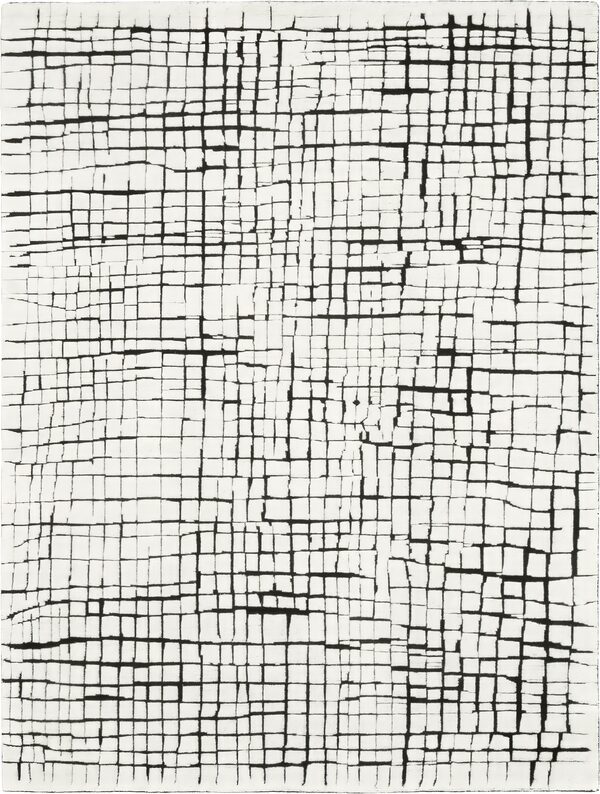
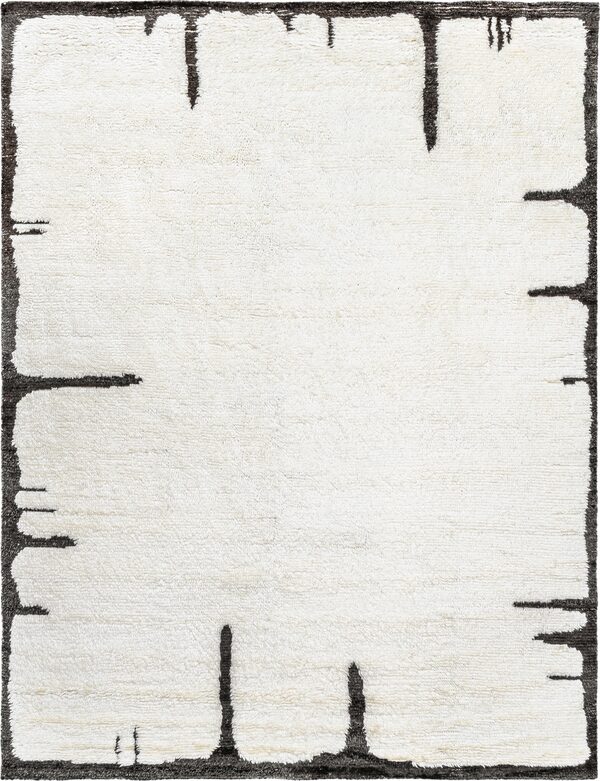
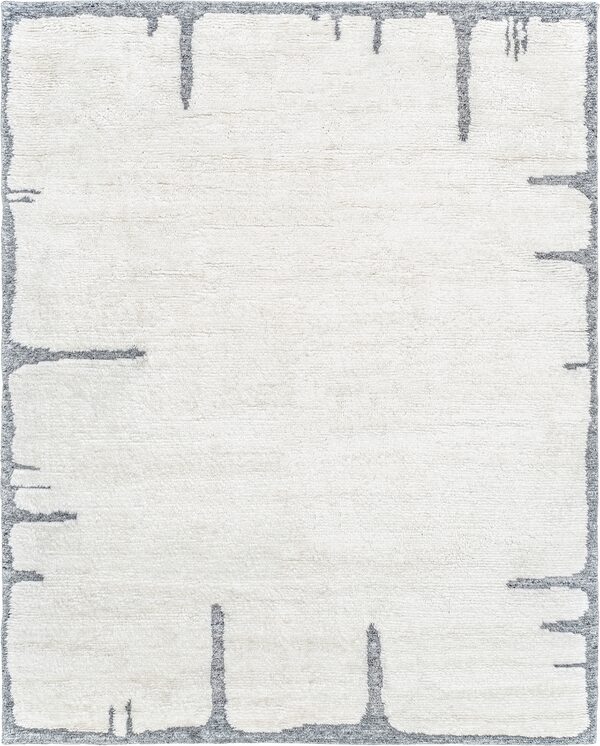
For a California modern home, we start with what the room needs from the floor. A neutral texture can give simple furniture some depth. A contemporary pattern can define a seating area in an open plan. An antique can introduce a color composition that keeps a restrained room from feeling too uniform.
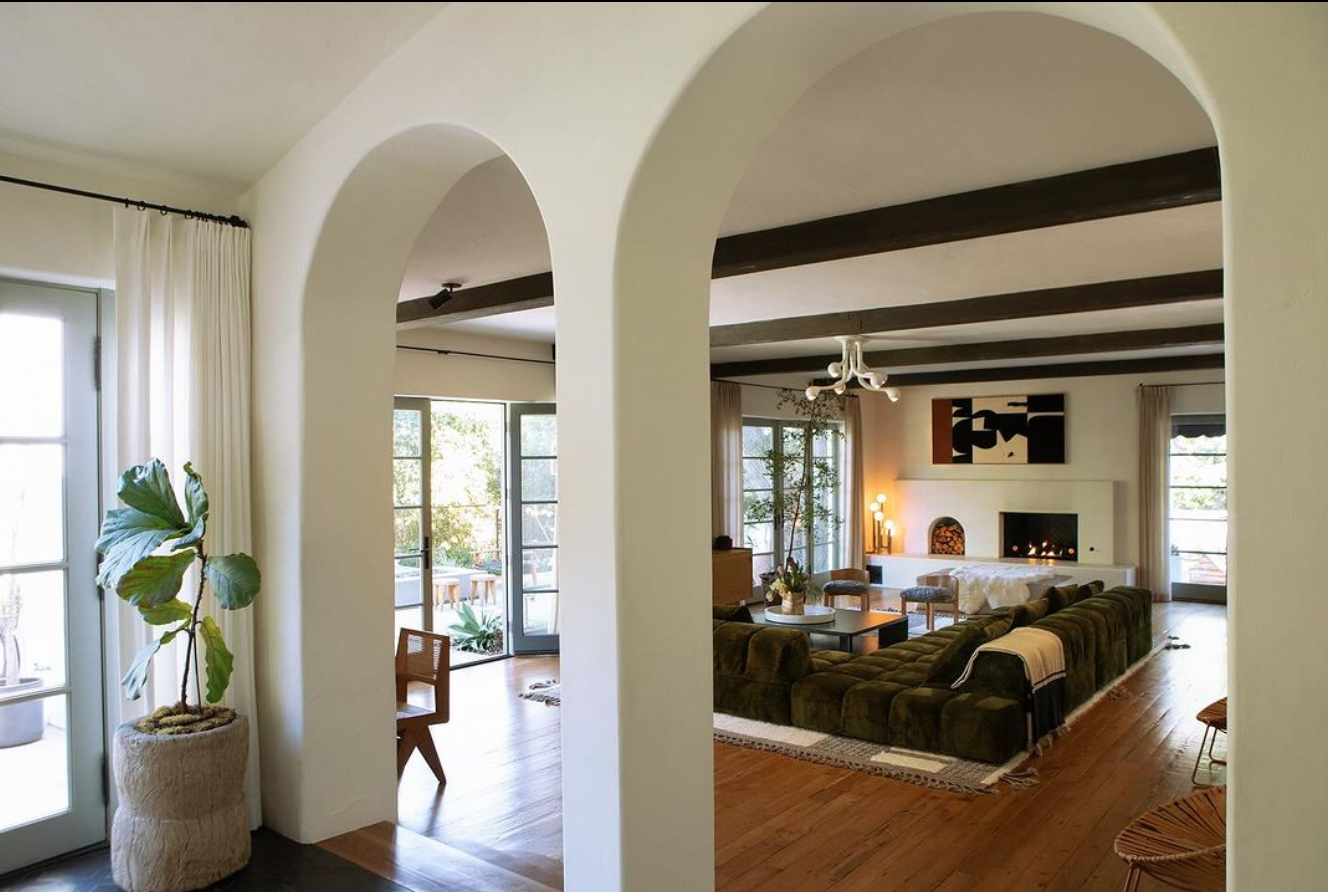
Think of a room with generous windows, open sightlines and materials such as timber, plaster or stone. The rug needs to work with those surfaces and with daily life. The view to the garden matters, but so does the route people take through the room.
Decide what the rug should contribute
Stand where you first enter the space. Does the furniture read as a group, or as separate objects on a large floor? If the seating area lacks definition, a visible rug edge, tonal contrast or pattern may help give it a boundary.
Then look from the main seat. A coffee table may cover the center of the design, leaving the border or corners to do most of the visual work. Judge that exposed area before choosing a motif from an unobstructed photograph.
| Direction | What it can bring | What to look at |
|---|---|---|
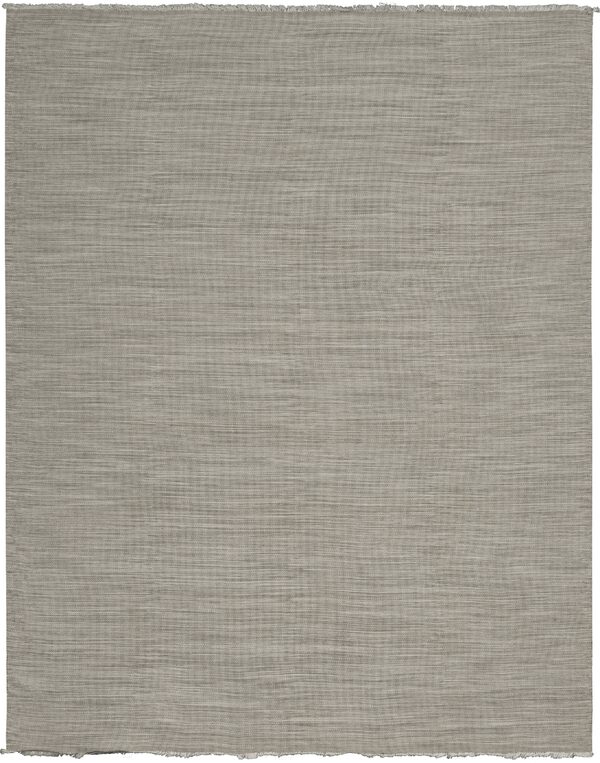
| Textural neutral | Surface detail within a restrained palette | Contrast with the floor and the scale of the weave beside upholstery |
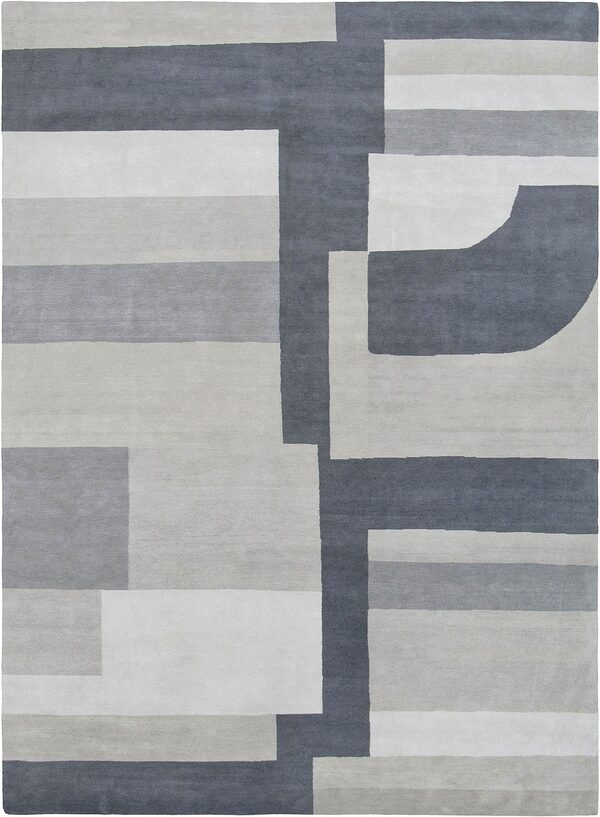
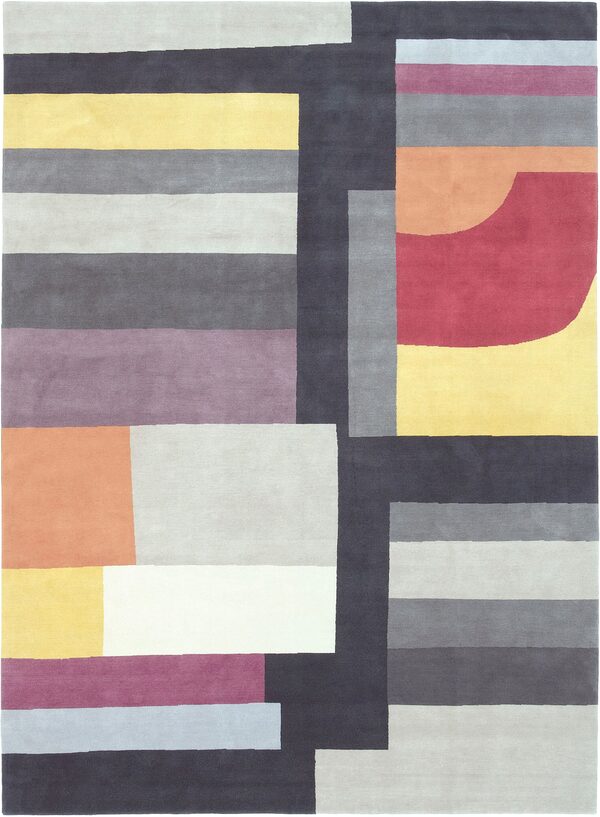
| Contemporary pattern | A graphic or tonal focus beneath simple furniture | The parts of the pattern that remain visible around the furniture |
| Antique rug | An individual pattern and color composition | The actual piece's dimensions, condition and fit within the layout |
Begin with our texture collections or the wider Studio WOVEN collection. Our guide to antique rugs in contemporary homes explores the third direction.
A neutral rug still has a surface to choose
Our Wool Soumak uses undyed heathered wool in a petite braid, with a nominal 9 mm profile. Hemp Flatweave has a thinner, nominal 5 mm surface with an irregular weave and a subtle matte sheen. Both can bring detail to a neutral scheme, in different ways.
With oak that has a pronounced grain, compare the amount of movement in the rug's yarn against the floor. With plain plaster and a smooth sofa, the braided or woven surface may supply detail the room lacks. Look from across the room before deciding how much texture you need.
Care is part of this choice. We recommend Wool Soumak for medium-traffic living rooms and bedrooms, not busy halls or stairs. Hemp Flatweave can deepen in shade with age and has natural color variation. Choose it with room for that change in the scheme.
Review samples with the actual finishes
Put the rug sample against the floor and the largest upholstery fabric. Add the curtain or wall finish if it has a strong color. Our custom-color guidance uses that same approach: review the materials together in lighting close to the final room.
Look in daylight and under the lights you normally use in the evening. A pale sample can appear warmer or cooler beside different finishes, and sheen changes the way a surface catches light. Keep the exact quality and color reference with the sample so a similar name does not become a substitute later.
Try a quieter rug pattern first if the fireplace stone has strong veining or the room already contains several patterned objects. If the walls, upholstery and floor are visually even, a more distinct design may bring welcome variation.
A room study: oak, plaster and a garden view
Imagine a living room with an oak floor, pale plaster walls, a low sofa and a broad window onto a garden. This is an illustrative room scheme, not a completed WOVEN project.
If the view should remain the focus, we would begin with a neutral texture and compare its contrast against the oak. Wool Soumak is one candidate for a living room with moderate traffic. Its small braid offers surface detail without requiring a strong color pattern.
If the furniture seems to float, try a contemporary design with enough tonal difference to hold the seating group together. Mark out the rug's footprint and check which parts of the pattern will show. A pattern cannot solve a layout that leaves the seating disconnected.
An antique could be the more interesting choice if the room feels too uniform. Work from the actual piece's size and condition, then arrange the furniture around what will remain visible.
Account for sun and garden access
Our general care guidance recommends keeping natural-fiber rugs out of prolonged direct sunlight. Include the rug's position and the room's light control in the plan; an undyed palette is not a promise that its appearance will remain unchanged.
Trace the path from the terrace door to the seating. Wet feet, outdoor dirt and frequent food spills change the practical brief. An indoor rug can complement a garden view without being suitable for rain or routine wet cleaning.
If pets use the room, we would leave our pure Linen quality out of the shortlist because of its soiling sensitivity. For any choice, consider the care routine alongside the sample. Our rug care guide is a useful reference.
Settle the footprint with the furniture plan, then choose the surface and color in the room's light. Keep the selected product reference, pad and care guidance together so the practical details stay attached to the design.
Published by WOVEN. For questions about this guide or to flag a correction, contact WOVEN.