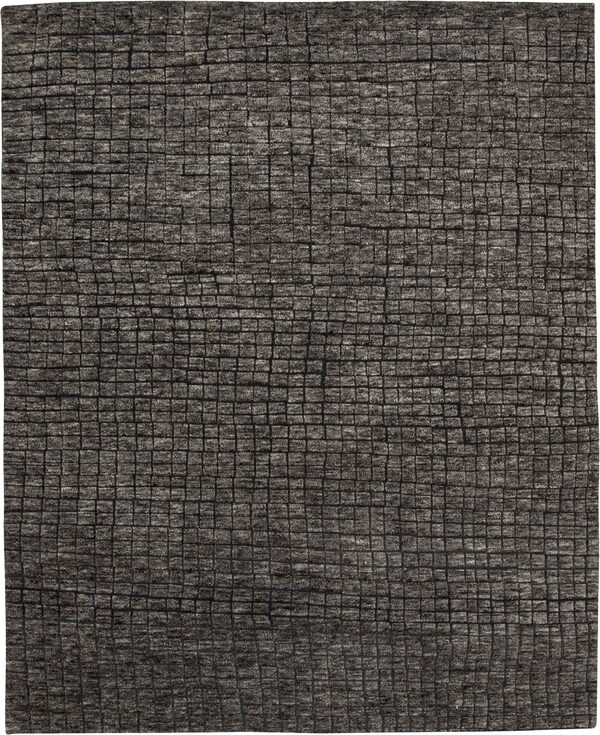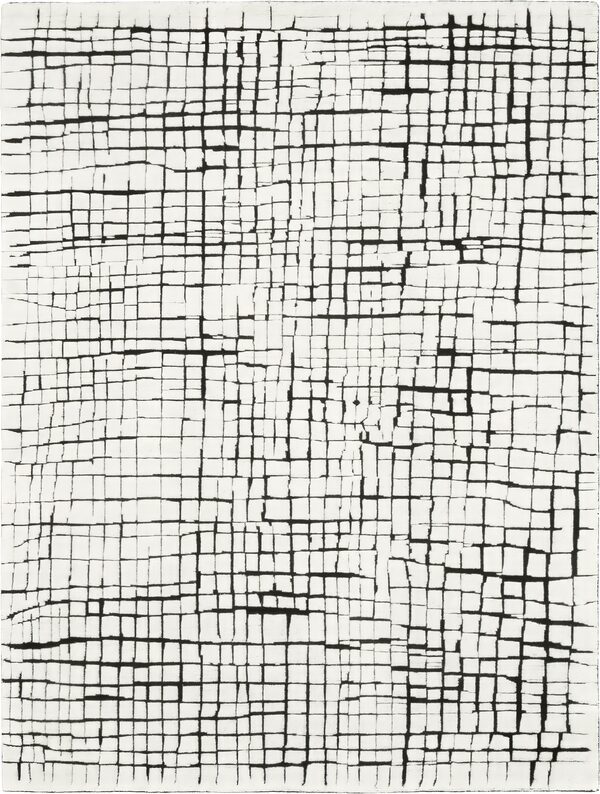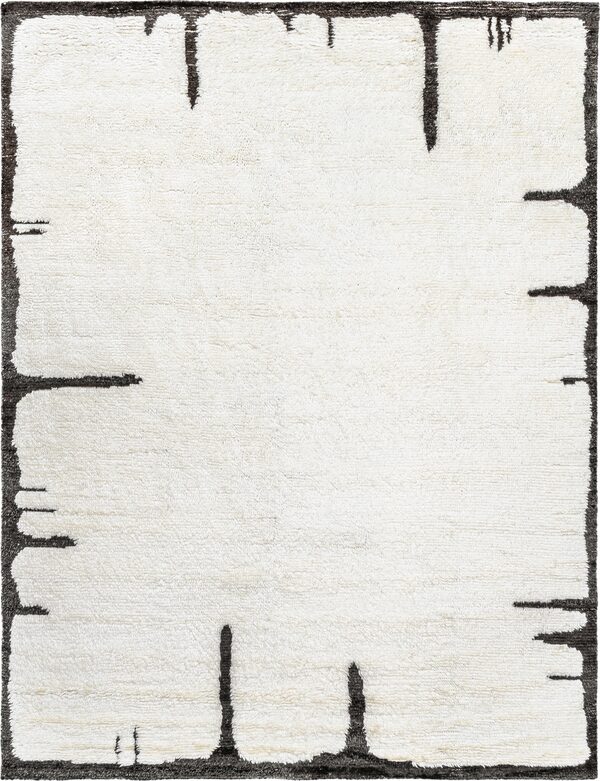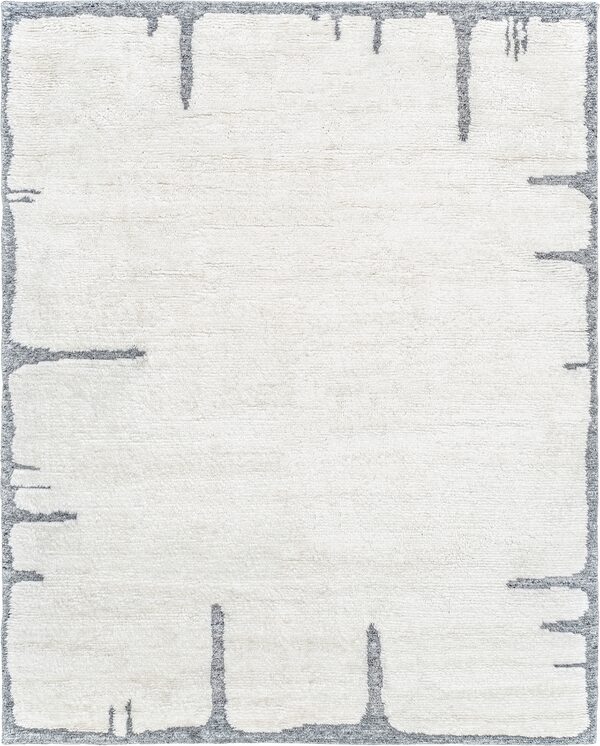
knowledge library / What Does COM Mean for Custom Rugs?
COM means customer’s own material. In a rug inquiry, it describes material supplied by the customer for a workroom to use, subject to that workroom’s approval. A fabric swatch sent as a color reference has a different purpose: it guides the appearance of a newly made rug. Clarifying which request you mean helps the supplier assess the work correctly.
The abbreviation is familiar in furniture and upholstery. The Association for Contract Textiles uses it for fabric selected from outside the furniture manufacturer’s offering. Rug fabrication can use the term too, but the letters alone do not explain what will be supplied, which part of the rug it will become or whether a particular workroom can use it.
Say what the material is meant to do
Imagine a designer bringing an upholstery cutting into a rug conversation. The cutting could establish the room’s color palette. It could show a texture the designer wants to interpret in yarn. Or the designer could be asking whether that actual material can become part of the rug.
Those requests need different answers. A color reference can be considered alongside the proposed yarns. A request to use an outside material needs approval for the actual material and its intended role. A beautiful upholstery sample does not, on its own, establish suitability for a floor covering.
Use a complete sentence in the brief. “Match the blue in this fabric” makes the purpose clearer than “COM blue.” If the material itself is to be used, identify it and describe where it belongs in the finished piece before arranging delivery.
| What you are supplying | What it establishes | What still needs a decision |
|---|---|---|
| Fabric cutting for color | A reference for the desired palette | The rug yarn, color development and approval sample |
| Image or textile for design inspiration | A direction for the composition or surface | How the idea translates into the chosen rug construction |
| Material intended for use in the rug | A proposed physical component | Whether the workroom accepts it and how it can be used |
Keep color matching separate from material supply
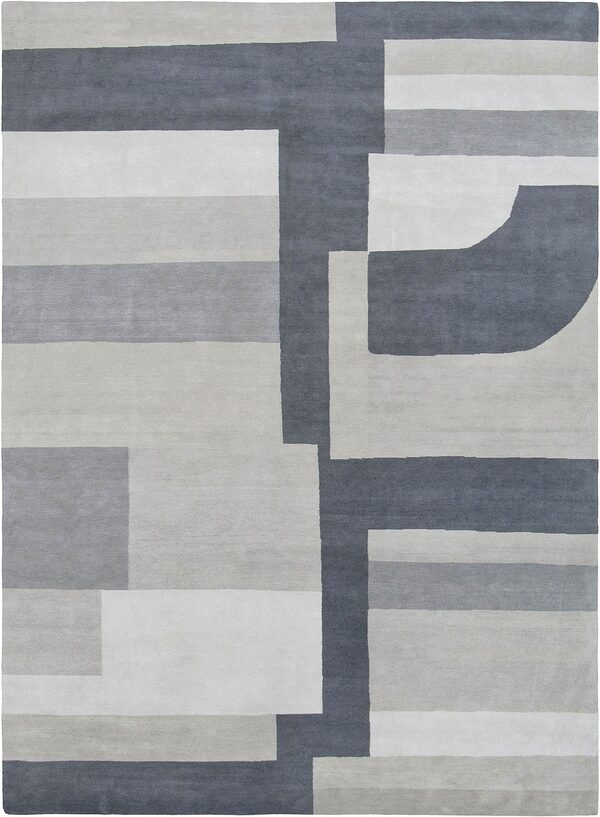
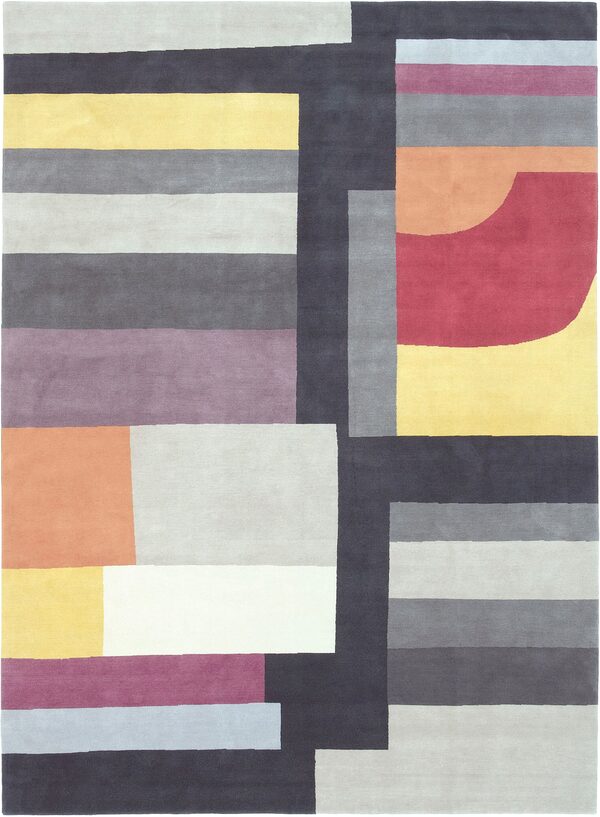
At WOVEN, our custom-color guidance brings rug samples together with the project’s other materials in lighting close to the intended room. Upholstery, curtains and finishes help define the palette. They can be useful references even when the rug will use a different fiber and construction.
Our custom rug color guide explains that development. A flat piece of fabric and a pile surface can present a color differently, so the reference and the proposed rug sample should remain distinct in the approval record.
Label each item with its purpose. A note such as “color reference only” prevents a cutting from being mistaken for material to incorporate. Keep the material name and color reference with the sample, particularly when several similar shades are being reviewed.
Resolve acceptance before sending material
For a customer-supplied material proposal, ask the receiving workroom what it needs to assess feasibility. Start with the material’s identity, available dimensions or quantity, and the intended finished result. Include a photograph or sample when requested.
The written agreement should establish who supplies the material, what work is included and which approvals are needed. Quantity allowances, delivery instructions and any handling or fabrication charges belong to that specific proposal. An arrangement offered by one supplier should not be assumed to apply to another.
For a WOVEN inquiry, describe the request in those terms rather than relying on COM as a service label. Our documented custom options include changes to size, color, shape and material, subject to the chosen quality and proposed change. Those options do not establish blanket acceptance of customer-supplied materials.
Identify what the approval sample represents
A swatch supplied by the client and a strike-off supplied for approval occupy different places in the process. The first may describe a desired result; the second shows an execution of the proposed rug.
Our sample and strike-off guide explains how a sample can address material, construction and design decisions. Keep its purpose and scale with the artwork, so an approval is attached to the combination being ordered.
If the goal is a rug that works with an existing fabric, begin with a design or quality from STUDIO WOVEN and identify what needs to change. Bring the fabric as a labeled reference. If you intend to supply material for the rug itself, state that separately so feasibility can be addressed before the order progresses.