knowledge library / Custom Rug Texture and Pile Height: How to Brief the Surface
A rug's texture and pile height can be customized when the chosen design, material and construction support the change. At WOVEN, pile-height changes and construction modifications receive a feasibility review. Begin with the surface you want and the room it must serve, then use an appropriate sample to assess the result before committing to the full rug.
“More texture” can mean several things: a visible loop, a softer outline, a more pronounced pattern or greater variation across a quiet field. Naming the effect makes a custom request much easier to develop.
Separate texture from pile height
Texture describes the character of a rug's surface; pile height describes the height of its pile. Changing one does not specify everything about the other. The yarn, construction and finish also contribute to how the rug looks and feels.
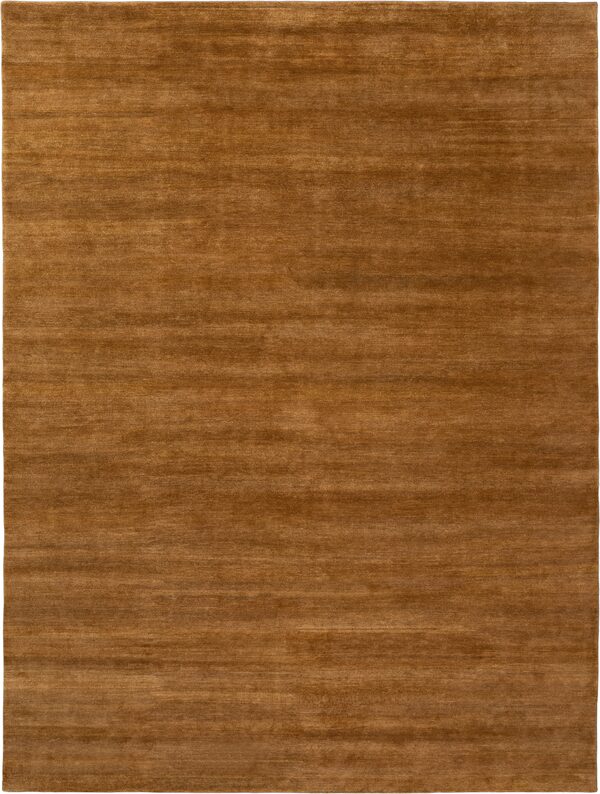
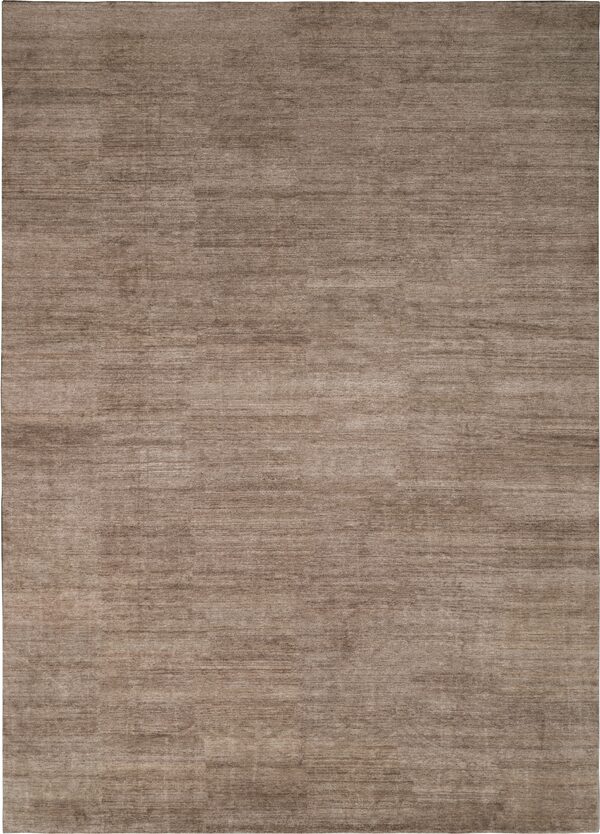
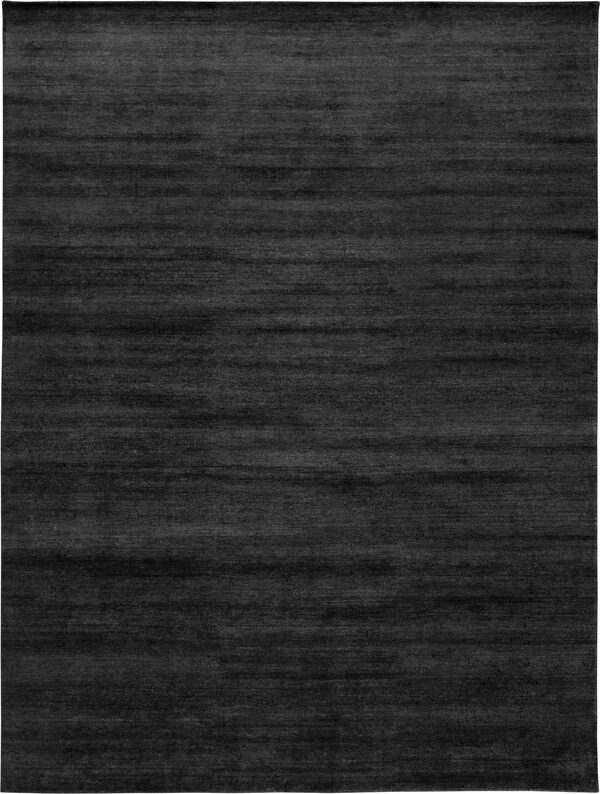
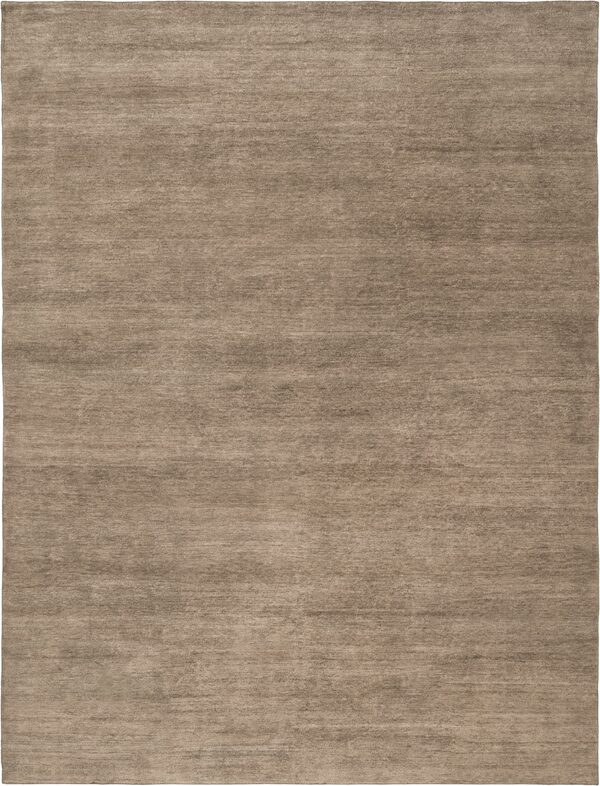
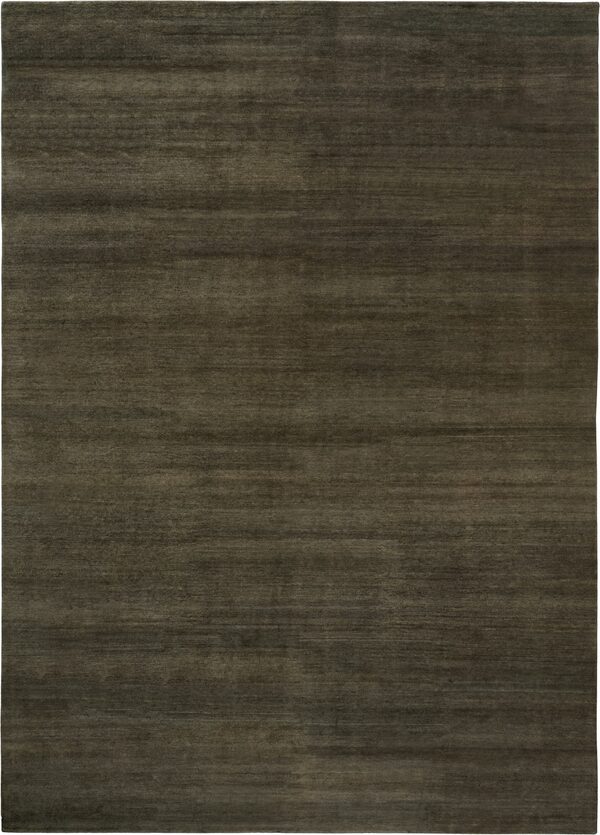
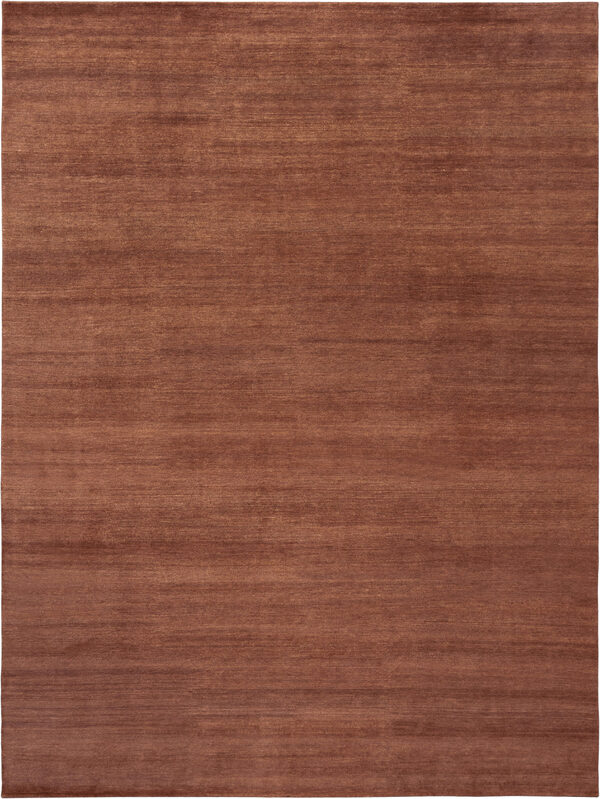
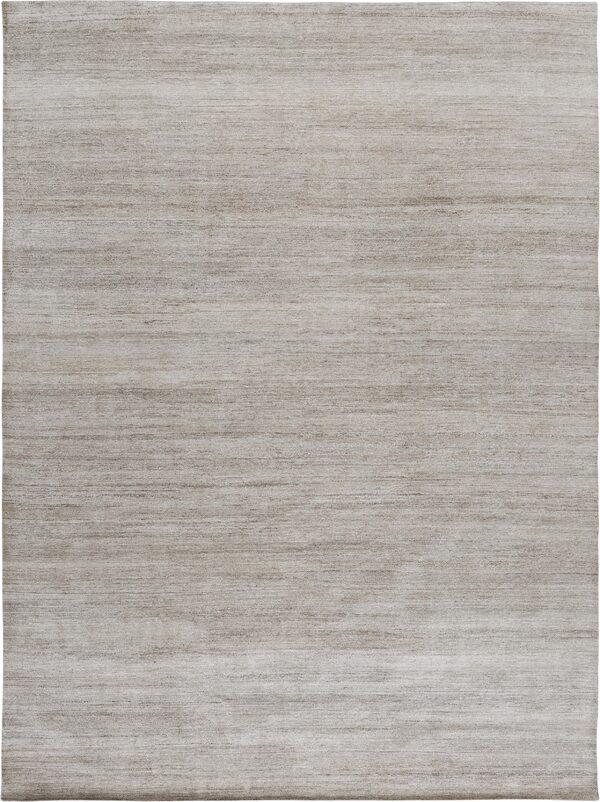
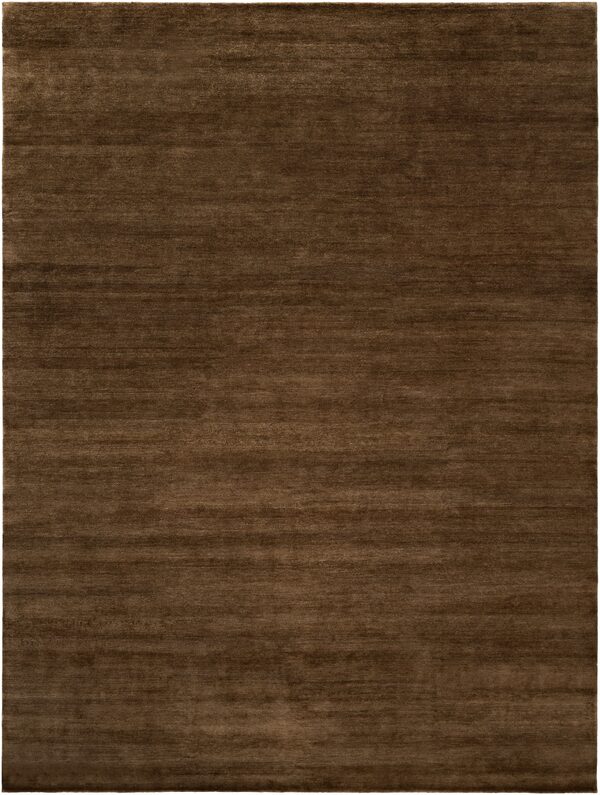
STUDIO WOVEN's existing textures show why that distinction is useful. Wool Loop has a small loop made from hand-spun wool. Wool Soumak has a petite braided appearance in heathered wool. Fine Flatweave offers a more restrained, low-profile surface. They give a designer different starting points even before a custom change is considered.
Use a physical reference to identify the characteristic you want to retain. “Keep this small loop, but explore a lower profile” is a clearer request than “make this rug less textured.” Feasibility still depends on the particular quality.
Describe the change through the room
A useful texture brief explains where the rug will sit and what needs to change. A lower profile beneath moving furniture, a more pronounced surface in a seating area and a subtle raised motif are different requests. Each deserves its own reference and review.
| Your intention | What to include in the brief | What remains to be assessed |
|---|---|---|
| Reduce the rug's profile | Current quality, desired change and relevant furniture or clearance measurements | Whether that construction can achieve the requested profile |
| Make the surface more expressive | A sample showing the kind of loop, braid or pile you mean | Material and construction needed to create the effect |
| Give a motif more definition | Marked artwork identifying the areas to emphasize | Whether the proposed surface change preserves the design |
For an illustrative living room, a designer might want a quiet rug beneath a sculptural table. A small loop and a more evenly sheared surface could both be worth comparing. The decision is how much visible texture belongs beside the table, followed by whether the selected quality suits the room's use.
Our high-pile and low-pile rug guide covers the broader comparison. A custom brief takes that preference down to one design and one proposed change.
Keep the material in the decision
A custom surface should be assessed in its proposed material. A photograph can communicate an outline or pattern, but it cannot establish how the finished rug will feel underfoot. Likewise, a sample in one fiber cannot settle the feel of a proposed replacement fiber.
Include the starting quality and any requested material change as separate items. If you like the original color but want a different surface, say so. If you want to retain the surface and change the color, record that instead. Keeping the changes distinct helps reveal which decision still needs a sample.
The designer rug material guide can help narrow the material discussion before a custom surface is developed.
Carry the care requirements into the selection
Texture-specific care belongs in the decision before ordering. Our guidance for Wool Loop cautions against high-suction vacuuming on its looped surface. Wool Soumak is described for medium-traffic settings such as living rooms and bedrooms, rather than high-traffic hallways or stairs. Those details apply to the named qualities; they are not universal rules for every loop or soumak rug.
A familiar fiber name is not enough to choose a care method for a changed construction. Keep the care guidance attached to the selected quality and assess any proposed change alongside the room's routine. An appealing surface still needs to fit how the room will be used and maintained.
Make the sample answer a specific question
A custom sample is most useful when the decision it needs to resolve is clear. It might need to show the relationship between raised and lower areas, the appearance of a different yarn, or the surface of a modified construction. Artwork provides the overall design; the sample provides a physical reference for the proposed execution.
WOVEN's standard STUDIO WOVEN patterns and textures can use a master sample when material, color and construction remain unchanged. Changes to those elements can require a new strike-off. The custom samples guide explains that distinction and the approval process.
Begin with the STUDIO WOVEN Textures collection and identify the closest existing surface. A short brief stating what to keep, what to change and why gives the custom process a useful foundation.