knowledge library / Mohair vs. Wool Rugs: What to Compare Before You Choose
Mohair comes from Angora goats; wool comes from sheep. In a rug, mohair is often chosen for its sheen, while wool offers a broad range of textures and constructions. To choose between them, compare finished samples in your room and check the exact fiber content, construction and care requirements. The fiber name alone cannot tell you how a rug will perform.
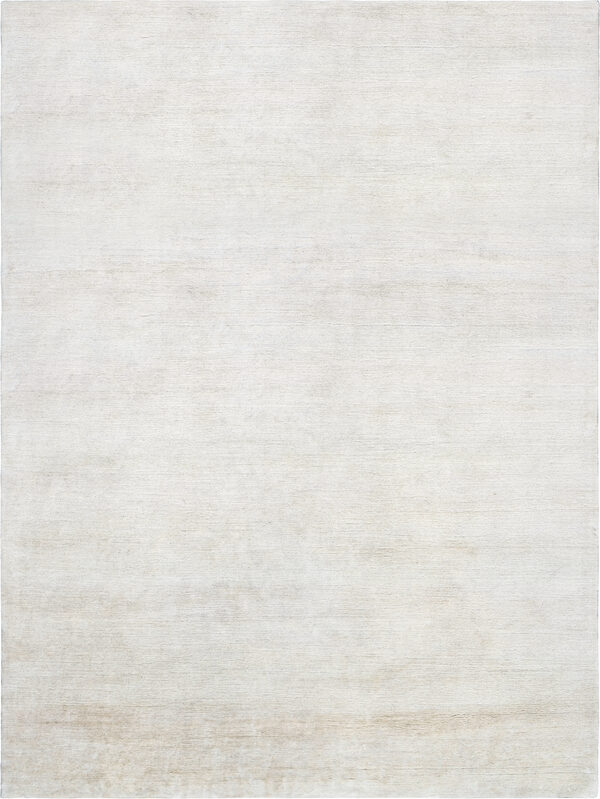
Two pale rugs can look almost identical online and feel quite different beside the sofa. One catches the window light across its surface. Another has a more granular texture that echoes the upholstery. Those differences matter to the room, but they need to be separated from questions about wear and maintenance.
Start with the surface you want
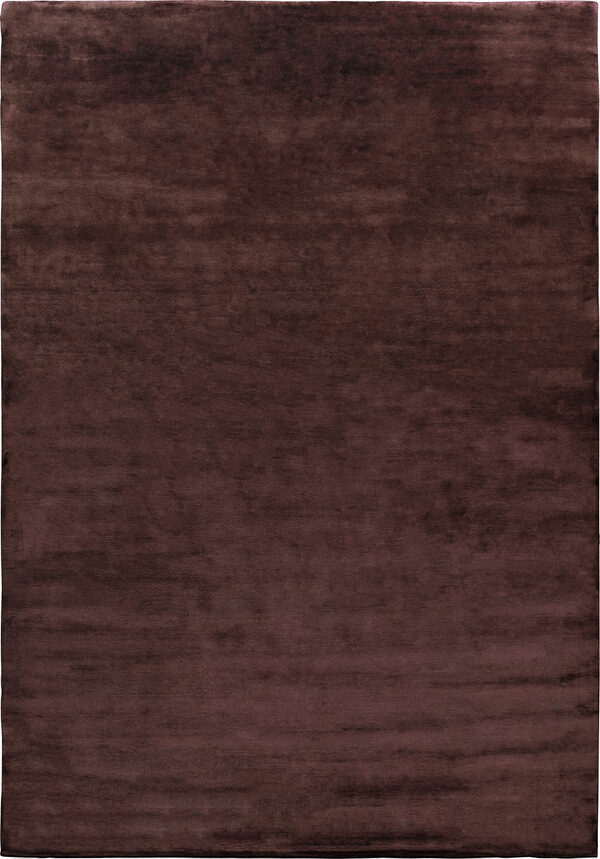
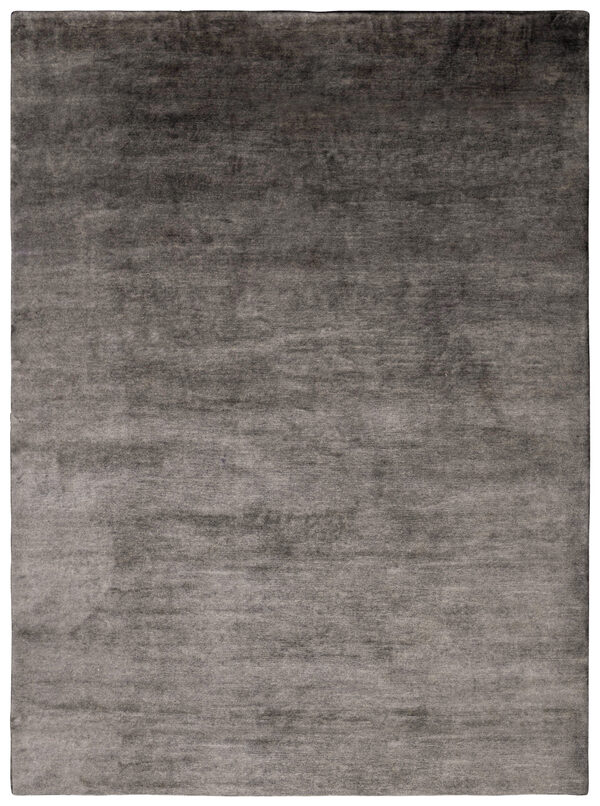
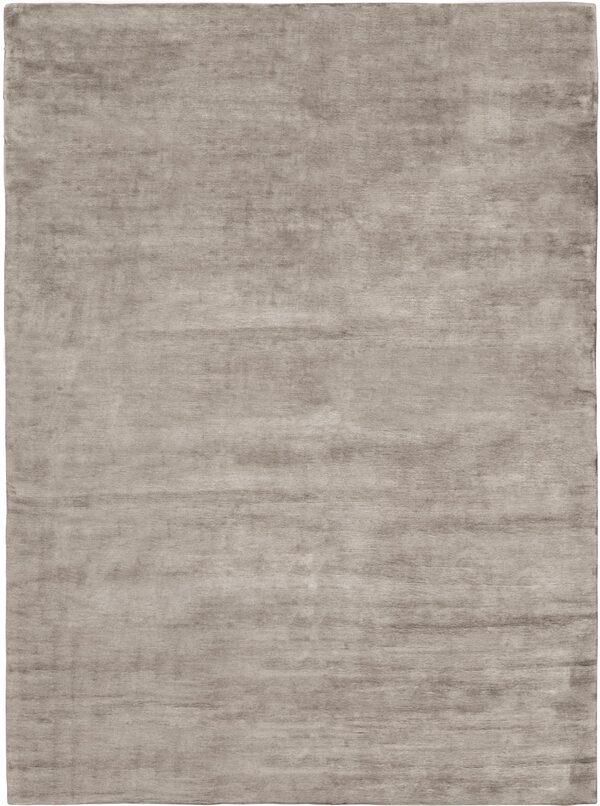
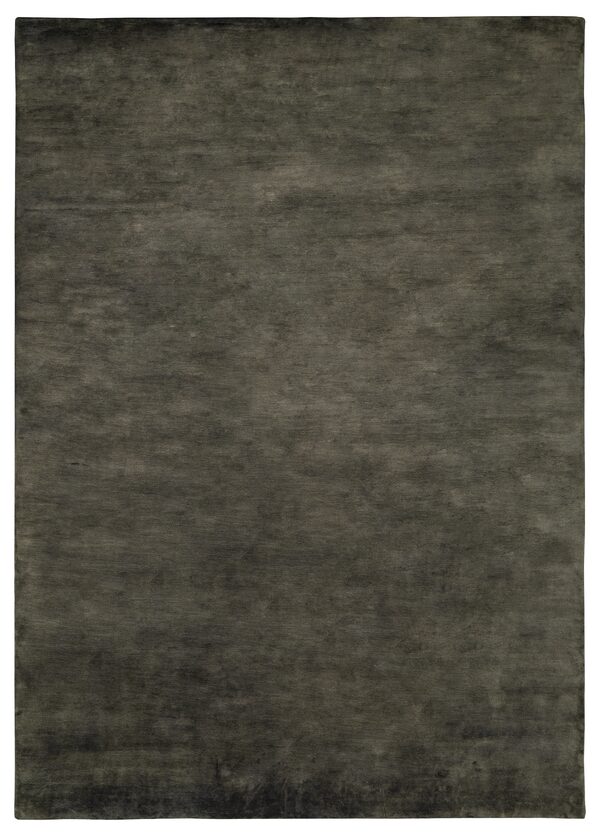
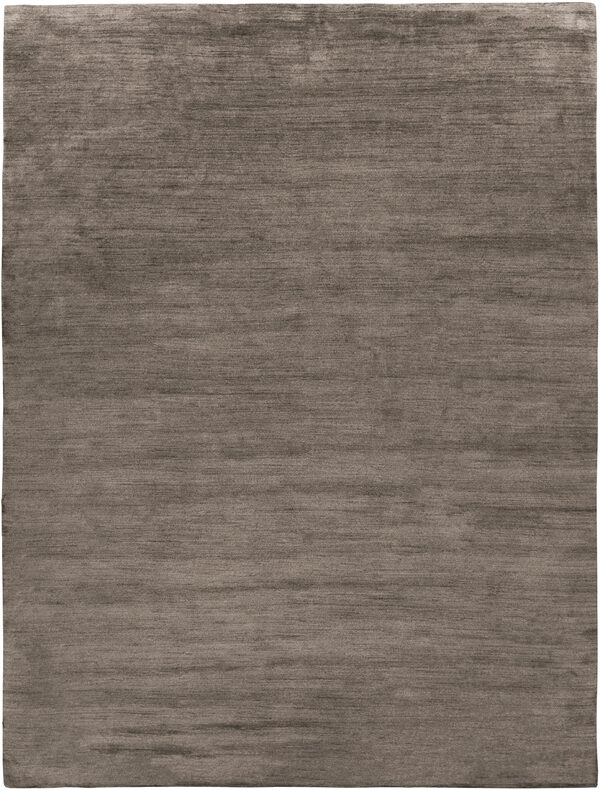
Mohair has a natural luster. In a sheared rug, that quality can give a single color visible movement as the light changes. WOVEN’s Sheared Mohair collection is hand-knotted and finished to reveal this surface. It is a useful starting point when the rug’s texture is meant to carry the design.
Wool is a much broader category than a single visual effect. Yarn choice, weave and finishing can produce markedly different surfaces. Comparing a loose wool loop with a closely sheared mohair sample would tell you about two finished rugs, with several variables changing at once.
For a closer wool comparison, request a current sample with a similar pile height and color. Record the construction and backing of both candidates before attributing a difference to the fiber. Two sheared surfaces can be made in different ways.
Mohair and wool at a glance
| Question | Mohair rug | Wool rug |
|---|---|---|
| What is the fiber? | Hair from the Angora goat; confirm any blend. | Sheep’s wool; confirm the type and any blend. |
| What should I look for in a sample? | Sheen, pile direction and the way the color reads from different positions. | The chosen yarn and surface: smooth, looped, nubby or another finish. |
| Does the name tell me the construction? | No. Ask whether the particular rug is knotted, tufted or otherwise made. | No. Wool can be used in different constructions. |
| Can I rank durability by fiber alone? | A finished-rug specification and intended-use advice are needed. | The same checks are needed; “wool” is not a traffic rating. |
| What about care? | Obtain instructions for the complete rug, including its backing and dyes. | Obtain instructions for the complete rug, including its backing and dyes. |
For the wider material picture, the designer rug material guide explains how fiber and construction work together.
Give the samples a fair comparison
Place both samples flat where the rug will sit. Put the upholstery fabric and a wood or stone finish sample beside them. Look from the doorway, then from the seat where you will usually see the rug. Turn each sample so you can judge its surface from more than one direction.
Repeat the comparison under the lamps you use in the evening. A sheen that feels lively by a window may become less apparent elsewhere in the room. Decide whether you enjoy that variation before trying to match the rug closely to a curtain or sofa.
Handle the samples with the same expectations. If the appeal is softness under bare feet, compare that directly. If the rug will sit beneath a dining table, the questions change: chair movement, food spills and the approved maintenance routine become more useful than softness alone. A small sample helps with appearance and feel; it does not reproduce years of use.
Ask about the room before asking which fiber is tougher
Describe the household honestly. Mention the route through the room, pets, rolling furniture and whether shoes are usually worn indoors. Ask the supplier to recommend a particular construction for those conditions and explain the basis of that recommendation.
Avoid translating a general statement about a fiber into a promise about the finished rug. Pile structure, yarn, backing, finishing and maintenance all belong in the conversation. The article on what makes a rug durable provides a fuller set of questions for that assessment.
Shedding deserves a specific answer too. Ask what is expected for the selected product, what maintenance is advised, and what change would merit inspection. A claim that one entire fiber category never sheds would need more evidence than a sample can provide.
Read the specification before the quote
Request the fiber percentages, construction, finished pile height and backing details for the exact rug being quoted. Confirm that the sample represents that specification. If a custom color or texture is proposed, record what changes and what will be approved before production.
Care instructions should cover routine vacuuming, spills and professional cleaning. Keep them with the order rather than relying on a general natural-fiber care tip. Do not assume that a treatment suitable for one wool rug will suit a mohair rug, or even another wool construction.
Bring the room plan and the two preferred samples to the final discussion. Choose the surface you want to live with, then confirm that the particular rug suits the room’s demands and maintenance arrangements. That gives the decision a clear basis beyond the material name.
Published by WOVEN. For questions about this guide or to flag a correction, contact WOVEN.