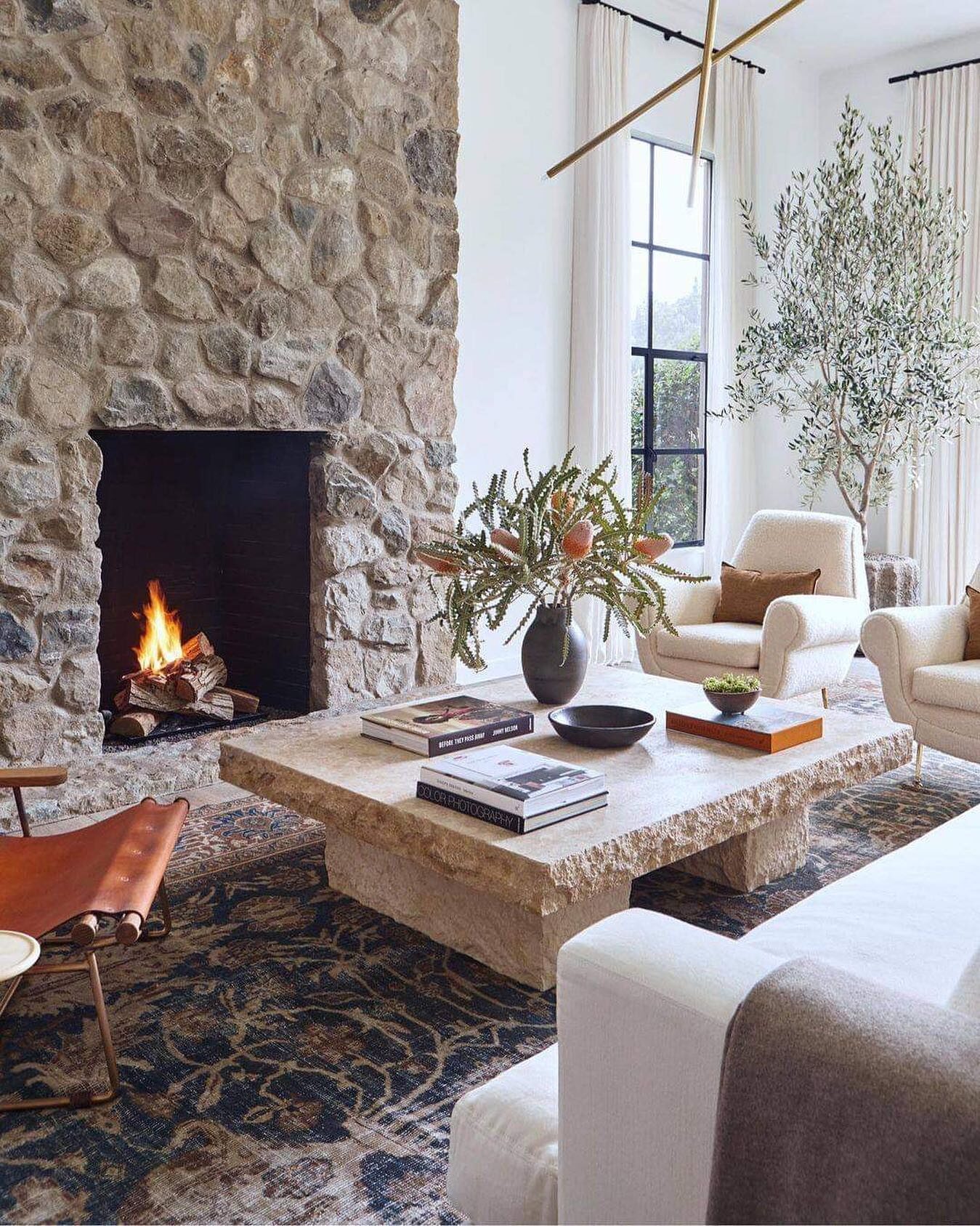
knowledge library / Recreating an Antique Rug for a New Room
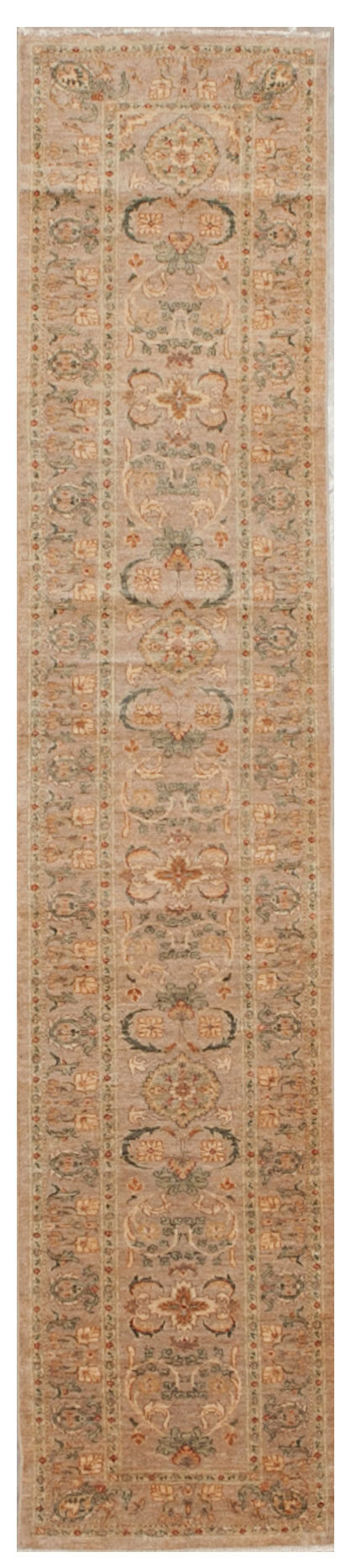
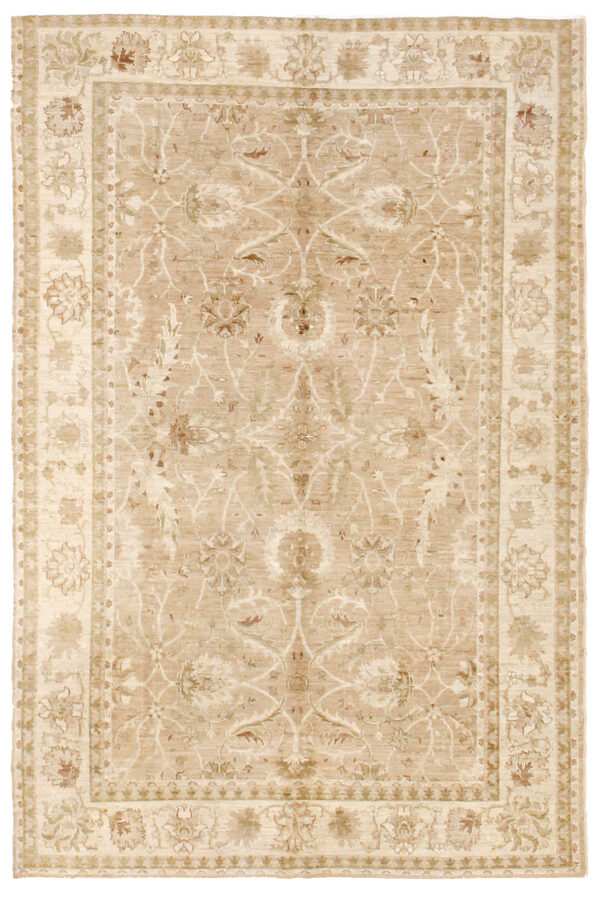
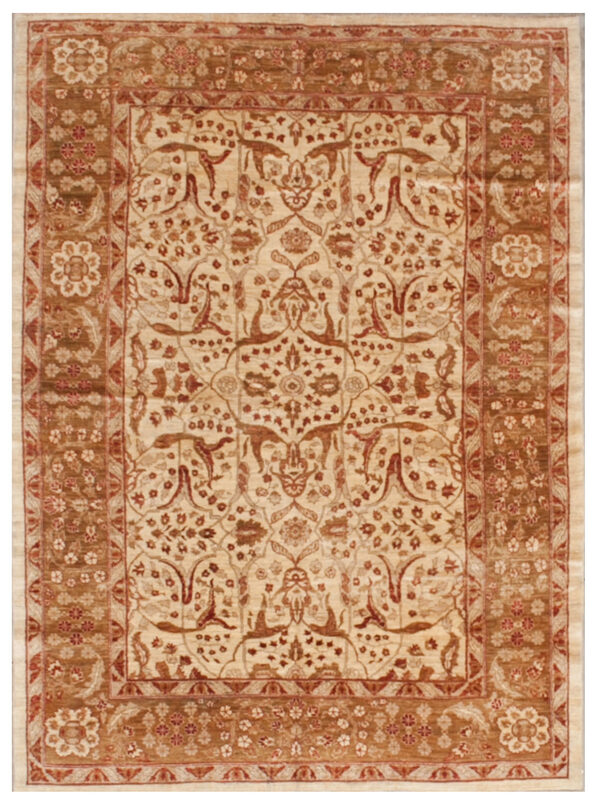
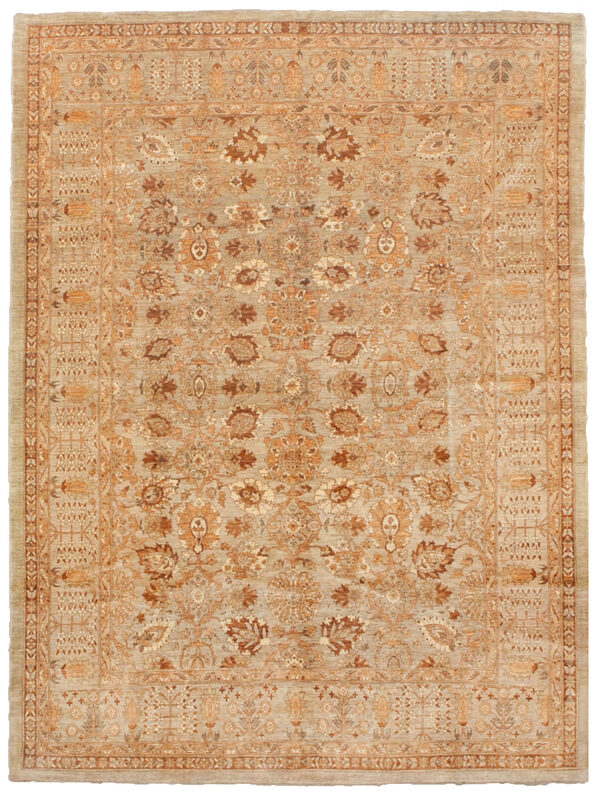
A custom rug can reinterpret an antique design in a different size, palette or finish. WOVEN's antique recreation process begins with a reference rug, then develops the pattern, colors and surface through artwork and a woven sample. The result is a newly made rug inspired by the original, with its own construction and finish; it does not acquire the original rug's age or history.
An antique may have exactly the drawing a room needs, yet fall short of the required dimensions. Recreation offers a way to work with that design direction. The brief needs to explain which qualities should carry forward and which should change.
Identify what you want to preserve
An antique recreation starts with a specific reference. WOVEN's process uses a vintage or antique rug from our assortment and includes review of the physical piece, its construction and its design motifs. That gives the development work a more useful foundation than an isolated detail photograph.
Look separately at the pattern, palette and surface. Is the attraction a broad border, a small repeating motif or a particular relationship between dark and pale colors? Do you want the drawing to remain prominent, or is its softened appearance the main reason you like it?
Those choices can lead to different new rugs. Preserving every visible detail is a different brief from carrying one motif into a larger field. Our guide to antique and vintage rugs explains the original categories; a recreation remains new production even when its reference is old.
Resolve pattern scale before enlarging the rug
Changing a rug's dimensions creates a pattern decision. The motif can be enlarged, repeated across a larger area, or interpreted through a selected section of the original. WOVEN's recreation brief records whether the design scale should follow the reference or change, and full-size artwork is reviewed before the final rug proceeds.
Imagine a small patterned reference being considered for a much larger living room. Enlarging its motifs could make the design more prominent. Retaining their scale and adding repeats could produce a finer visual rhythm. Neither choice follows automatically from the new measurements.
| Decision | What to specify | What to review in the artwork |
|---|---|---|
| Overall dimensions | The required width and length | The complete composition at the new proportions |
| Motif scale | Retain, enlarge or repeat the selected drawing | Motif size and spacing across the field |
| Border | The border elements you want to preserve | Their relationship to the field and edges |
| Color direction | Follow the reference or make identified changes | Where each selected color appears |
A furniture plan can help explain which parts of the pattern will remain visible. For the broader translation from a design reference to a rug, see our artwork-to-custom-rug guide.
Choose color and finish together
An antique-inspired palette needs a physical yarn reference and a decision about the finished surface. WOVEN's process develops yarn color cards for approval and offers different distressing directions. The finish affects how strongly the color and pattern read, so it should be considered alongside the palette.
In our recreation process, distressing is a finish applied to the new rug. Shaving the pile changes the surface, and stronger distressing can expose more of the underlying warp threads. The purpose is to develop the chosen appearance in new production, rather than to establish genuine age.
Ask for the intended level to be represented in the sample. “Antique-looking” leaves too much open: a clearer, less distressed pattern and a more visibly worn surface can communicate quite different moods. Our antique distressing guide explores the finish in more detail.
Review the whole design and the physical sample
Artwork and a strike-off answer different questions in an antique recreation. The artwork establishes the overall layout and scale. The strike-off is a woven sample used to review the proposed construction, color and finish. Approving one does not settle all the questions answered by the other.
Keep the selected reference, current artwork and approved yarn direction together during review. If the sample needs a change, describe it precisely: retain the drawing but reduce the distressing, for example, or adjust a named color while keeping the approved finish.
A small sample cannot show every part of a full-size composition. Use it to assess the intended execution, then return to the full artwork to check how that execution belongs in the room.
Prepare a focused recreation brief
A complete recreation brief includes the reference rug, new dimensions, motif scale, color direction, fringe preference, distressing level and installation location. It also records the project budget and target date so the development can be assessed before commitments are made.
Recreation involves design development as well as weaving. Avoid treating an initial reference image as a finished specification or assuming that a new size is the only change required. Our custom rug commissioning guide covers the wider process.
Explore WOVEN's Antique Recreations with a clear view of what you admire in the reference. The strongest brief carries those specific qualities into a new room while being honest about the new rug being made.