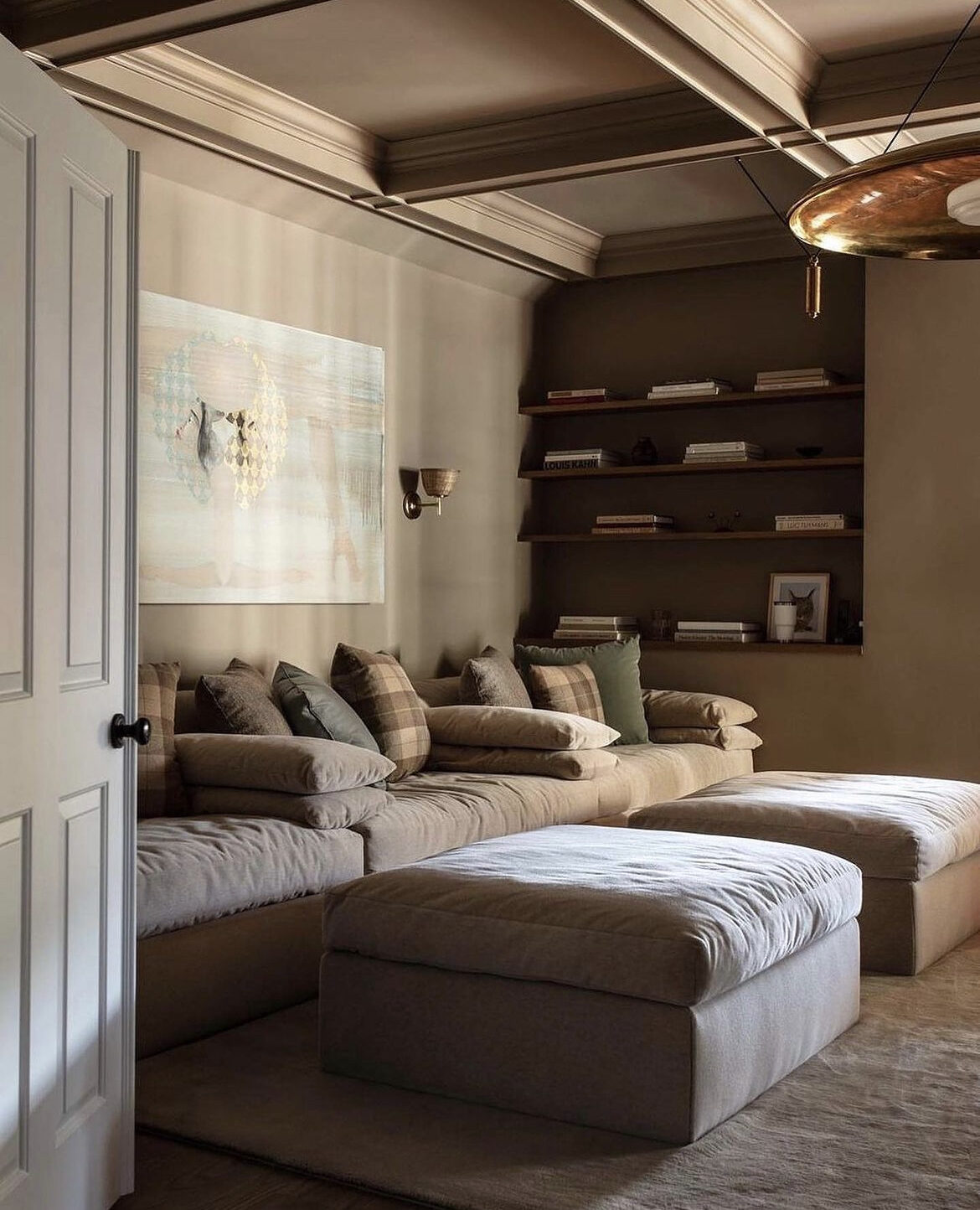
knowledge library / Choosing Rugs for Organic-Modern Interiors
Rugs for organic-modern interiors work best when their surface, color and pattern balance the room's other materials. A fine flatweave can quiet a space with expressive stone and timber; a looped or braided texture can add interest beneath simpler furniture. At WOVEN, we would begin with that balance, then choose a specific quality that suits the room's use and care routine.
Here, organic-modern describes an approach that brings clean furniture shapes together with visible grain, softer textiles and natural-looking variation. It does not require an all-beige room, and the style name says nothing about a rug's environmental credentials.
Choose the surface the room is missing
The rug can either introduce texture or give existing textures room to stand out. Before choosing a fiber or color, look at the strongest surfaces already present: rough stone, figured wood, smooth plaster, woven upholstery or polished metal.
If several finishes already have a pronounced pattern, a quieter rug may give the furniture a clearer outline. If the room is mostly smooth and restrained, a more visible weave can bring detail to the floor without introducing a contrasting motif.
We would avoid choosing every finish for its individual drama. A room can contain a beautiful stone table, a heavily grained cabinet and a textured rug, but they still need a relationship. Decide which surface should lead and which should support it.
Compare textures with similar colors
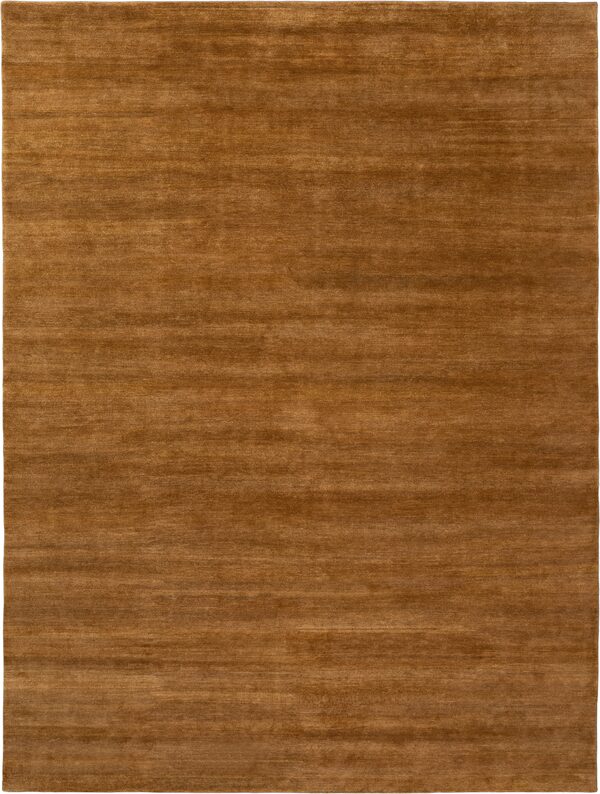
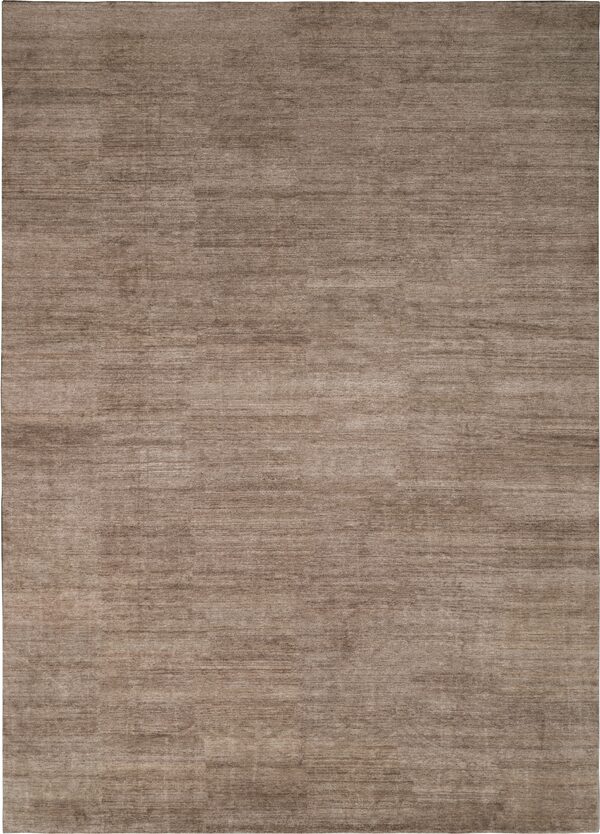
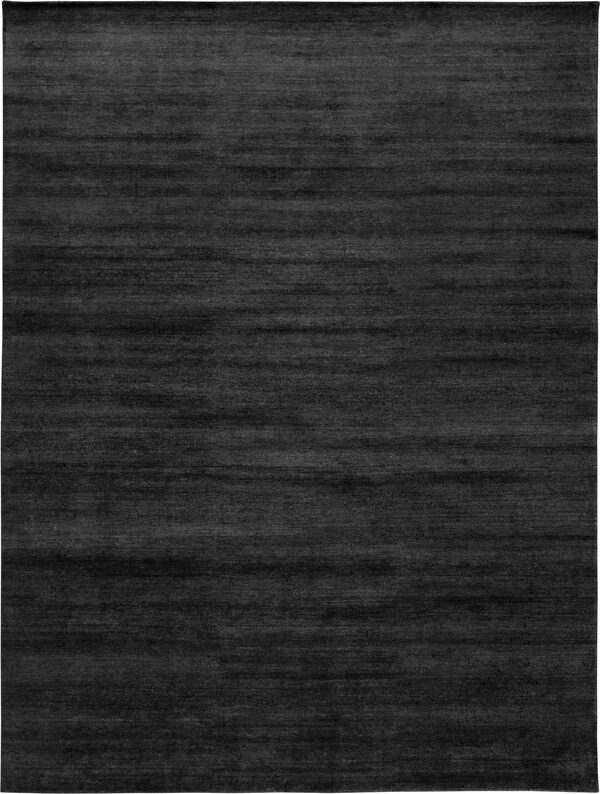
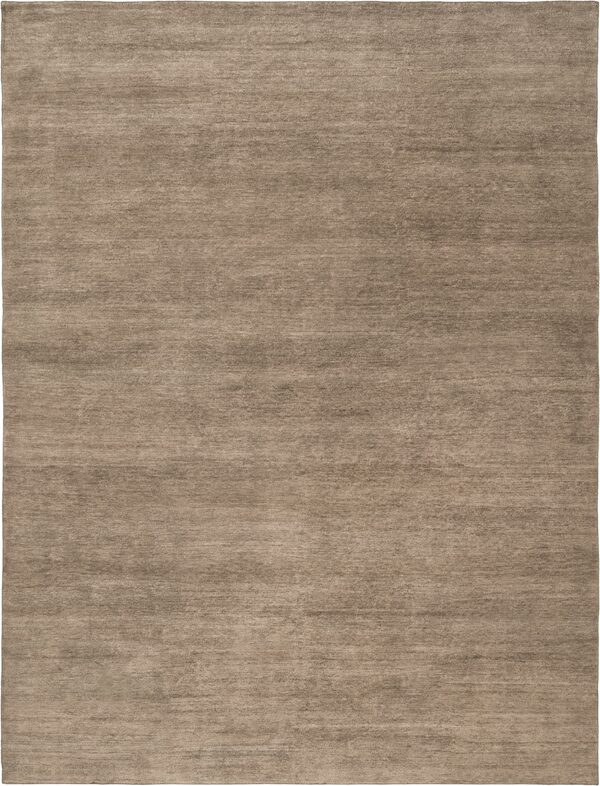
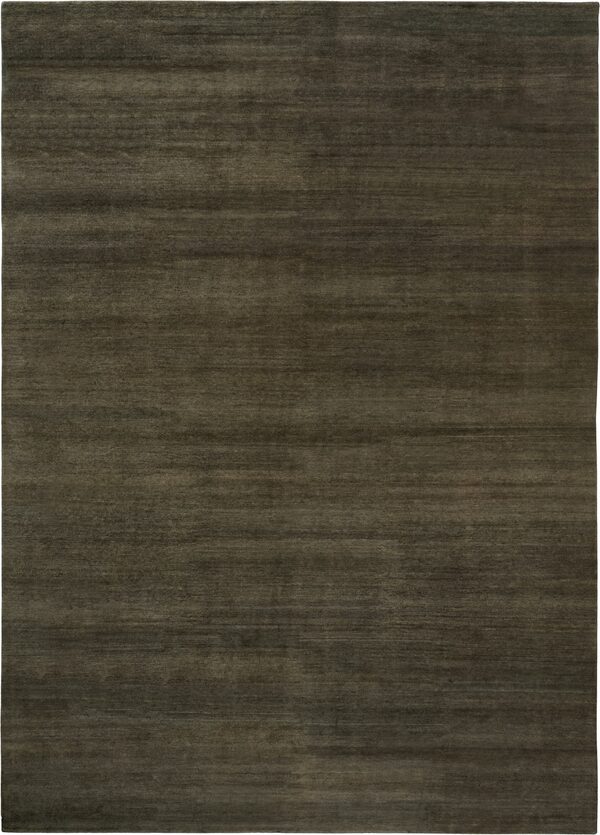
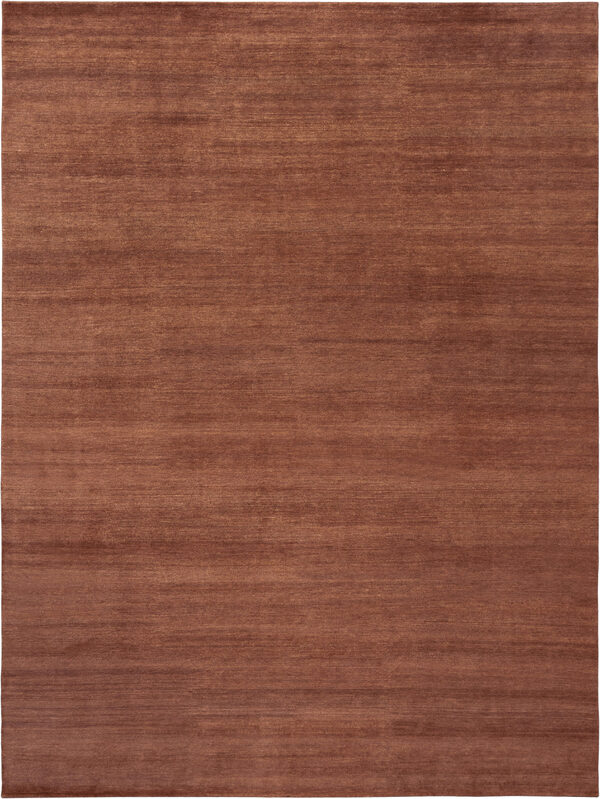
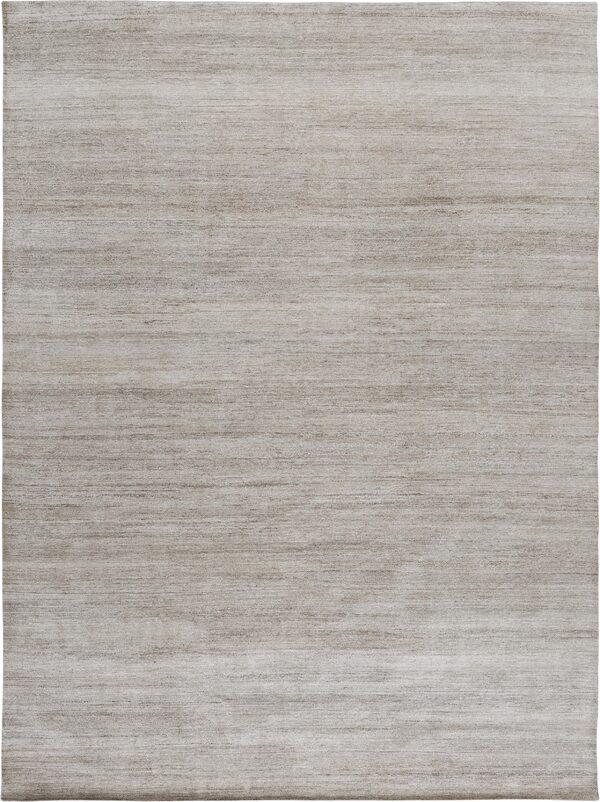
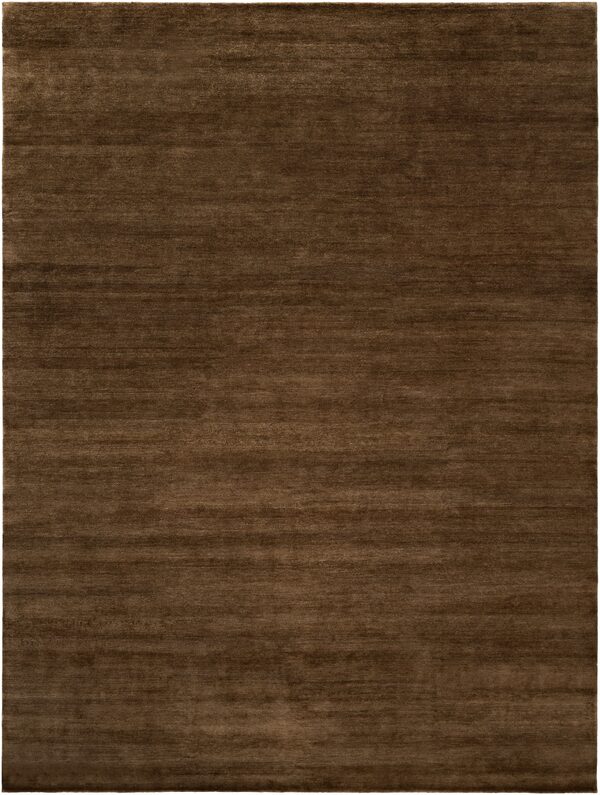
Comparing rugs in a similar color range helps reveal the effect of the surface. STUDIO WOVEN's Fine Flatweave, Wool Loop and Wool Soumak offer three different references: a low-profile weave, a small loop and a petite braided appearance. The qualities also have different material details and care considerations.
| WOVEN texture | Documented surface or material detail | Design direction to explore |
|---|---|---|
| Fine Flatweave | A refined, low-profile surface; undyed colorways use 60% wool and 40% linen | A quieter foundation beside expressive furniture or stone |
| Wool Loop | Small loops made from hand-spun wool | Visible surface detail within a restrained palette |
| Wool Soumak | A petite braid in undyed heathered wool | A braided texture alongside smoother finishes |
The design directions are suggestions for comparison, not performance rankings. Fine Flatweave's dyed colorways have a different composition from its undyed range: the dyed versions are 100% wool. Check the particular colorway when comparing materials.
Browse the STUDIO WOVEN Textures collection to begin that comparison. A pale photograph alone cannot tell you whether two rugs share a fiber, construction or care requirement.
Use color to connect the materials
An organic-modern palette can include brown, gray, clay and deeper accents as well as cream. Choose the rug's relationship to the floor and upholstery before deciding on an exact shade. A rug close to the floor color can create a quieter transition; a darker or lighter field can give the seating area a clearer boundary.
Bring physical samples together in the room's light where possible. A pale rug that looks right on its own may sit differently beside warm timber or cool stone. Comparing those materials side by side makes the choice more specific than asking for a neutral that works everywhere.
Undyed wool is one route to natural color variation, but a neutral appearance does not establish that yarn is undyed. Our undyed wool guide explains the distinction and how to compare the documented WOVEN options.
Let pattern support the furniture arrangement
A restrained pattern can work in an organic-modern room when its scale belongs with the furniture. Consider how much of the rug will remain visible around the sofa, table and chairs. A small sample may show the colors while leaving the overall rhythm of the design unresolved.
For an illustrative room with a curved sofa, a plain plaster wall and a prominent stone table, we would compare two directions. A low-profile tonal rug could let the table lead. A small loop could add surface detail while keeping the palette close to the upholstery. Place both options on the same furniture plan so the comparison remains about the rug.
Use the rug size guide to resolve the footprint before deciding that one surface is the better fit. The most appealing sample still needs to work at the scale of the seating group.
Keep care attached to the chosen quality
An organic-modern look does not determine how a rug should be maintained. Our Wool Loop guidance cautions against high-suction vacuuming on its looped surface. Wool Soumak is described for medium-traffic rooms, including living rooms and bedrooms, rather than high-traffic hallways or stairs. Use those quality-specific details when narrowing a shortlist.
Do not use a natural-looking surface as a shortcut for durability, sustainability or easy care. Those are separate questions. The designer rug material guide helps organize the material comparison without treating every rug made from the same fiber as interchangeable.
Start with the room's strongest material, choose the rug's supporting role, then review the actual quality and colorway. The result can be quiet or expressive; it should feel considered alongside the furniture you already want to live with.