knowledge library / Sustainable Rug Materials: How to Compare the Claims
No fiber name establishes that a finished rug is the most sustainable choice. Wool, plant fibers and recycled yarns each leave questions about sourcing, construction, care and what happens after use. At WOVEN, we would compare specific rugs against the environmental priority that matters to the project, keeping documented material facts separate from claims that need broader evidence.
“Sustainable” can mean several things to a buyer. One person wants recycled content. Another wants to keep an existing object in use, or avoid animal-derived materials. A useful shortlist starts by naming that priority. Otherwise, two rugs may be described as environmentally preferable for entirely different reasons.
Start with a claim you can check
Replace a general request for an eco-friendly rug with a more specific question. If recycled content matters, identify the component and proportion covered by the statement. If the priority is reuse, begin with the condition and suitability of an existing piece. If animal-free composition is essential, check the complete construction through our vegan rug guide.
These questions create different shortlists. An animal-free rug is not automatically the rug with the lowest environmental impact. Likewise, a material described as natural does not establish how the complete product was made or how it can be handled at the end of its use.
Compare the actual material specification
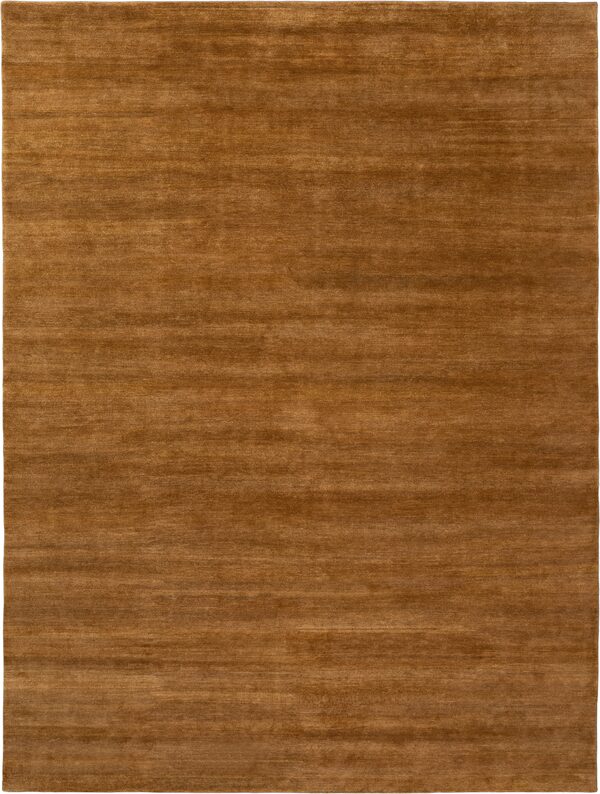
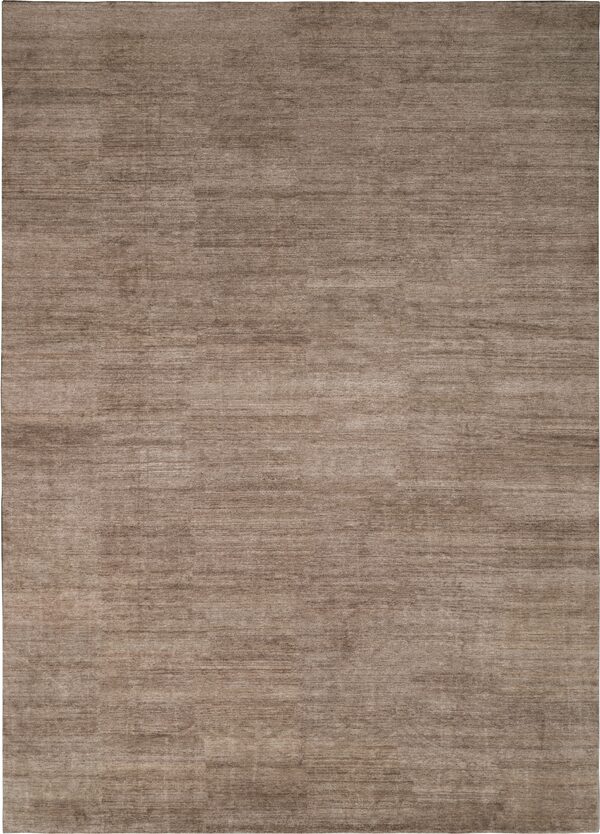
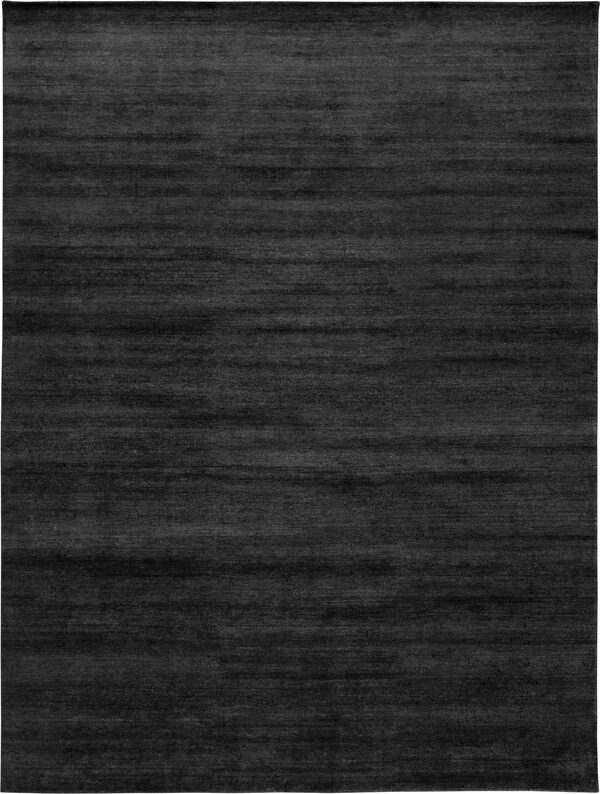
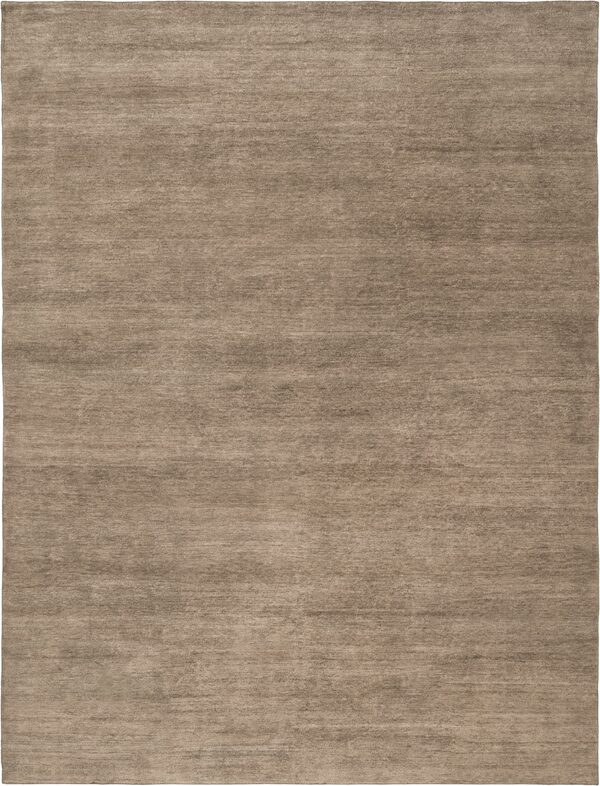
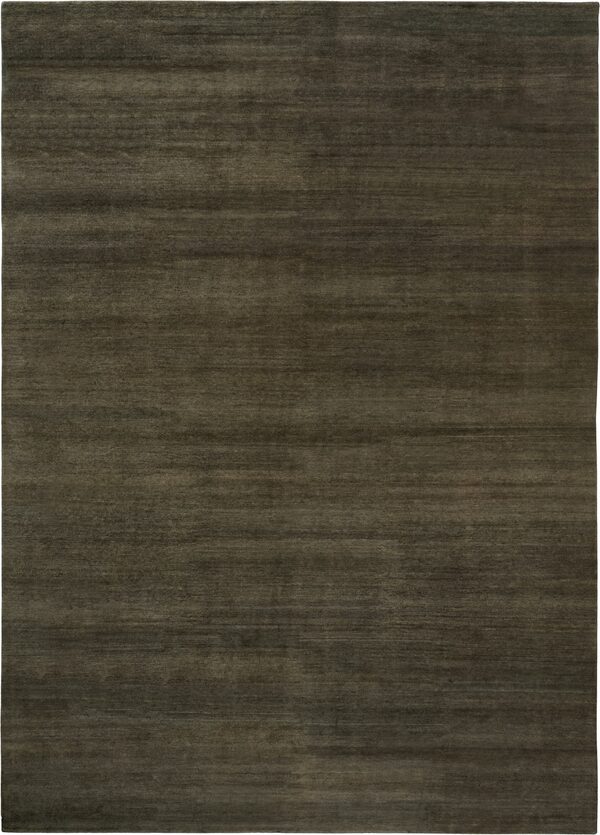
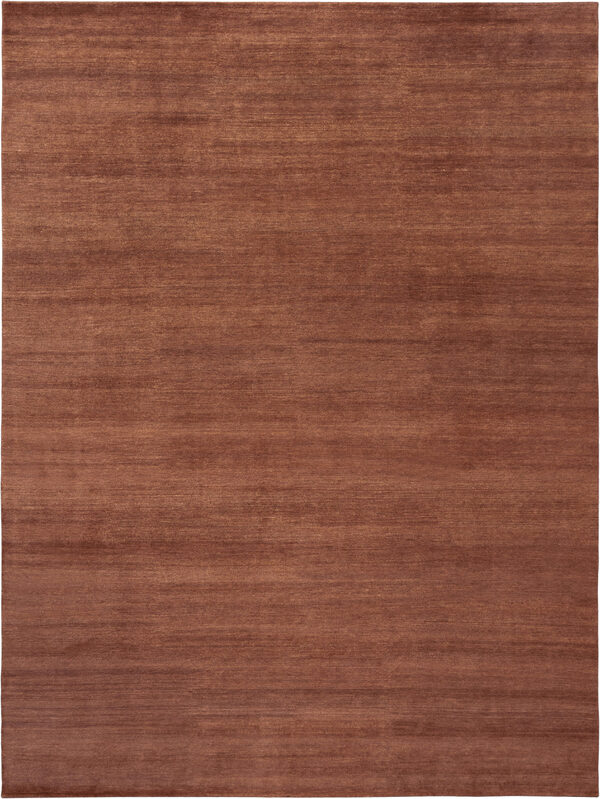
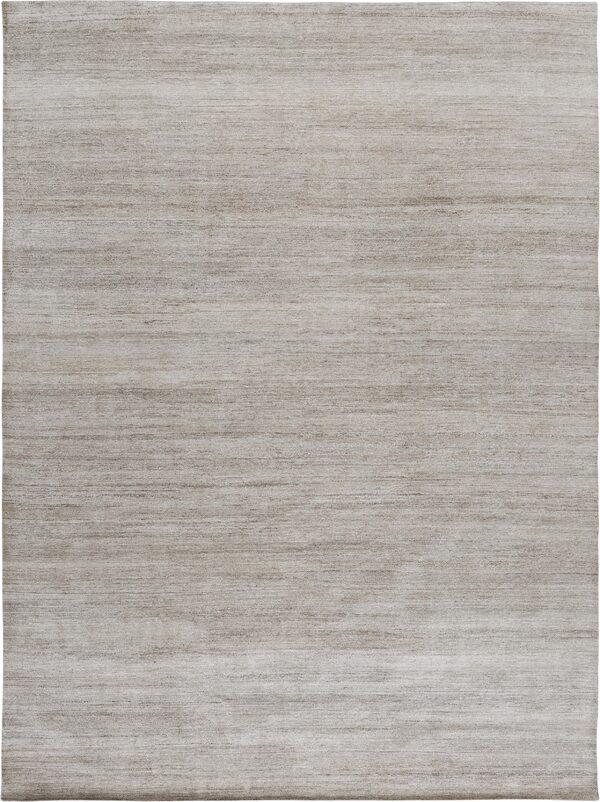
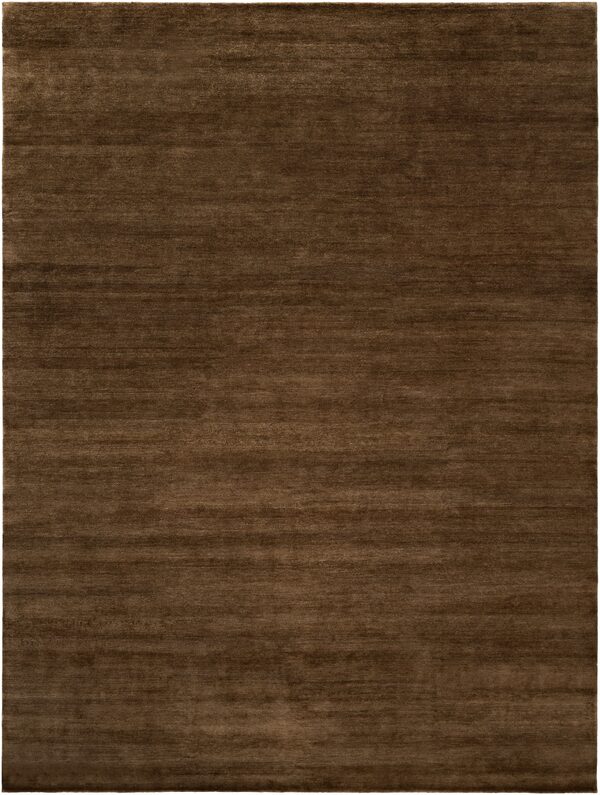
The same collection can contain different compositions. Our Fine Flatweave dyed colorways are 100% wool; its undyed colorways combine 60% wool with 40% linen. The distinction belongs in a material comparison even when the two samples look similar.
The table below separates documented WOVEN descriptions from the conclusions they cannot establish on their own.
| WOVEN example | Documented material fact | Separate question to resolve |
|---|---|---|
| Melange Wool | 100% wool | What evidence covers the sourcing or environmental criteria specified for the project? |
| Fine Flatweave, undyed colorways | 60% wool and 40% linen | What does the full construction contain, beyond the stated fiber blend? |
| Performance Soumak | The yarn is described as recycled PET made from plastic bottles | Which component and proportion does the recycled-content statement cover? |
These examples describe materials, not a ranking of environmental performance. A recycled-yarn statement should remain attached to the yarn unless the evidence explicitly covers the whole rug. It also does not establish that the finished product can enter a local recycling stream.
Read “undyed” narrowly
Undyed describes the yarn’s color treatment. It does not establish that the rug has had no washing, finishing or other processing. It also provides no measured comparison of the complete rug’s water use or carbon footprint.
Our undyed wool guide explains the visible color variation and the product details worth checking. An undyed surface may be exactly what a room needs aesthetically. Keep that design preference distinct from an environmental claim about the finished piece.
For a neutral scheme, compare the selected colorway and documented composition first. A beige photograph is not evidence that the yarn is undyed, just as a vivid color is not a complete account of the dyeing process.
Consider how the rug will be kept in use
A rug’s care requirements belong in the selection from the beginning. Melange Wool’s high pile comes with a caution against high-suction vacuuming. Fine Flatweave also carries a high-suction caution. Choose with the household’s maintenance routine in mind rather than assuming that every wool rug needs the same care.
An existing antique or vintage rug offers another route to consider. Review the actual piece’s condition, dimensions and likely placement before deciding it can serve the room. Our antique and vintage sourcing guide covers those checks. Reuse is a sourcing choice; it does not give us a measured carbon saving to assign to an individual purchase.
Think about the next setting as well. A design and size that can work in another room may be useful if the furniture plan changes. That is a practical consideration to weigh alongside the current fit, not a promise about resale value or future service life.
Keep the comparison attached to each rug
Save the product reference, exact colorway, composition and care guidance together. Beside them, record the environmental claim being considered and the document that supports it. Note whether that document covers a fiber, a component or the finished rug. An unverified attribute should remain open rather than becoming a reason to rank one option above another.
Use STUDIO WOVEN Textures to compare the surfaces available for the room. The final choice should have a clear material description and a care routine you can accommodate. Keep any environmental conclusion as specific as the evidence that supports it.