knowledge library / What Is a Hand-Woven Rug? Everything Buyers Should Know
A hand-woven rug is made through manual work on a loom. The broad term can include hand-knotted pile rugs as well as flatweaves; it is not necessarily a construction category separate from hand-knotted. For a useful comparison, identify how the rug is made, what its yarns and foundation contain, and how the finished structure suits the room.
Retail descriptions do not always use “hand-woven” in the same way. Some use it broadly for loom-made handwork; others use it more narrowly for particular flat or textured constructions. Ask for the actual method. The label alone does not establish quality, age, country of origin or expected life.
How is a hand-woven rug constructed?
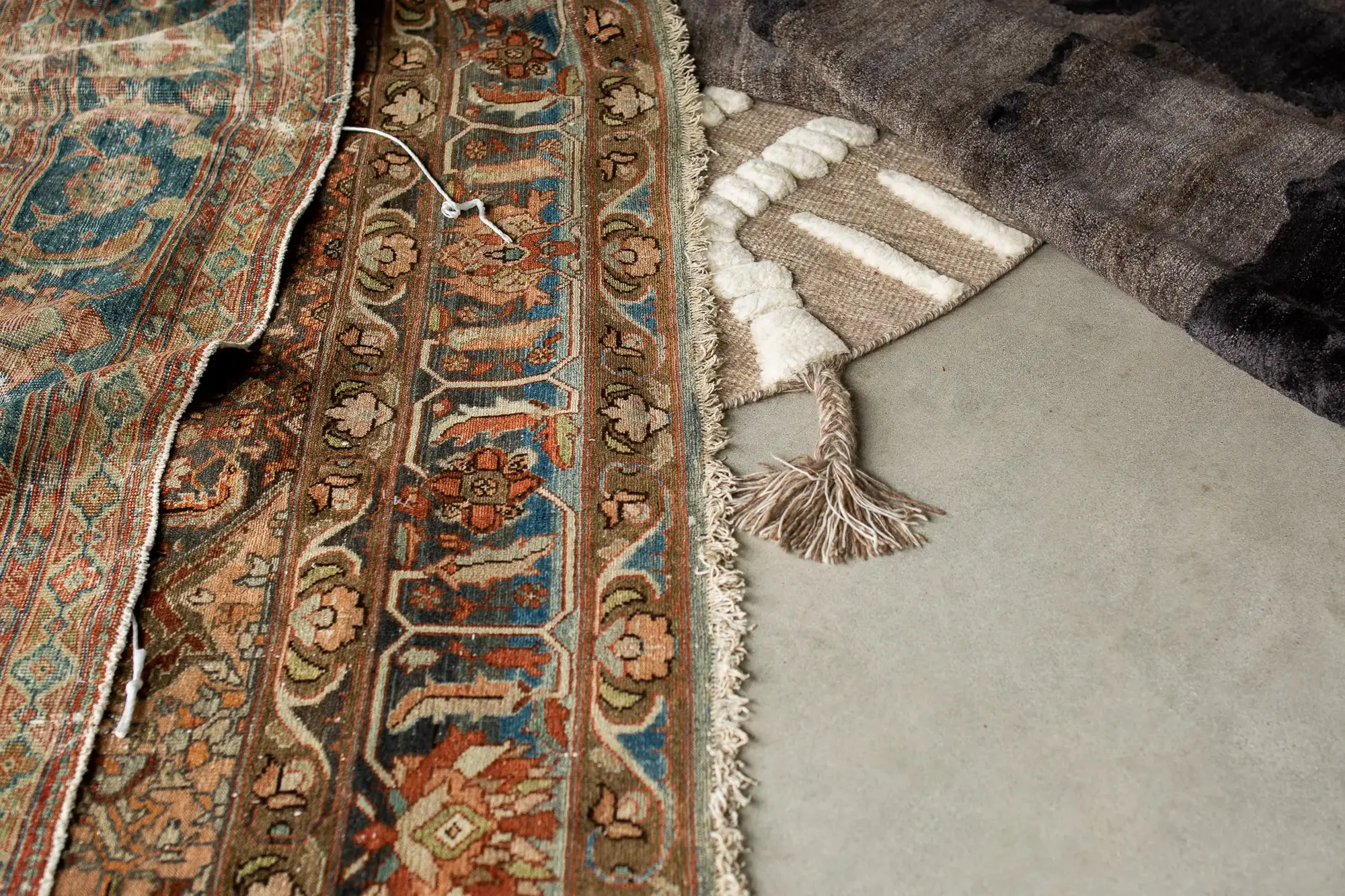
A woven rug has a structure built around warp and weft. Warp threads run along the loom; weft travels across them. In a hand-knotted pile rug, separate pile yarns are tied around warps, with weft incorporated into the foundation. In a tapestry flatweave, the interlaced yarns form the surface without a separate knotted pile.
Soumak introduces another distinction: its characteristic surface is made through weft wrapping. It should not be described as identical to either a plain flatweave or knotted pile. The guide to kilim, dhurrie and soumak explains why a low profile does not mean every rug shares the same yarn structure.
What is the difference between handwoven, hand-knotted and tufted rugs?
Hand-knotted describes a particular pile structure; handwoven describes manual loom production more broadly. Hand-tufted describes yarn inserted into a backing with a tufting tool rather than interlaced or knotted on a loom. Machine-woven rugs are woven by powered equipment. Comparing those methods is more useful than assigning each one a fixed quality level.
| Method | How the structure is formed | What a buyer should verify |
|---|---|---|
| Hand-knotted pile | Pile yarns are tied around foundation warps | Pile and foundation materials, execution, condition, finishing and care |
| Handwoven tapestry or flatweave | Warp and weft form a surface without a separate knotted pile | Specific weave, edge finish, flexibility and whether both faces are intended for use |
| Soumak | Weft wrapping produces a textured surface | Exact structure, materials, reverse and finishing; do not assume reversibility |
| Hand-tufted | Yarn is inserted into a backing; the finished system may include adhesives and a secondary backing | Backing and adhesive specification, care, use limitations and repair options |
| Machine-woven | Powered equipment forms the woven structure | Actual materials and construction, rather than assumptions based on uniformity |
“Handloom” also needs explanation from the maker. It identifies a production route but does not, by itself, tell a buyer the exact pile structure or finishing system. Request a construction description that can be checked against the rug.
Does handmade automatically mean higher quality?
Handmade does not automatically mean more durable, more valuable or more suitable for a room. Quality depends on the materials, execution, finishing, condition and intended use. Small variations may be part of handwork, but looseness, weak edges or structural damage should not be excused simply because a rug is handmade.
Likewise, natural fibers are not universally superior to synthetic fibers. A comparison between a well-made natural-fiber rug and a poor synthetic example tells little about either category as a whole. Compare rugs at the product level, with the same room, maintenance expectations and performance requirements in mind.
How do material and construction change the surface?
Material and construction work together: the same fiber can produce markedly different surfaces when used in pile, flatweave or wrapped-weft structures. Sample the texture rather than choosing only from a fiber name or a photograph. Review the front, reverse and edge to understand how the visible surface is supported.
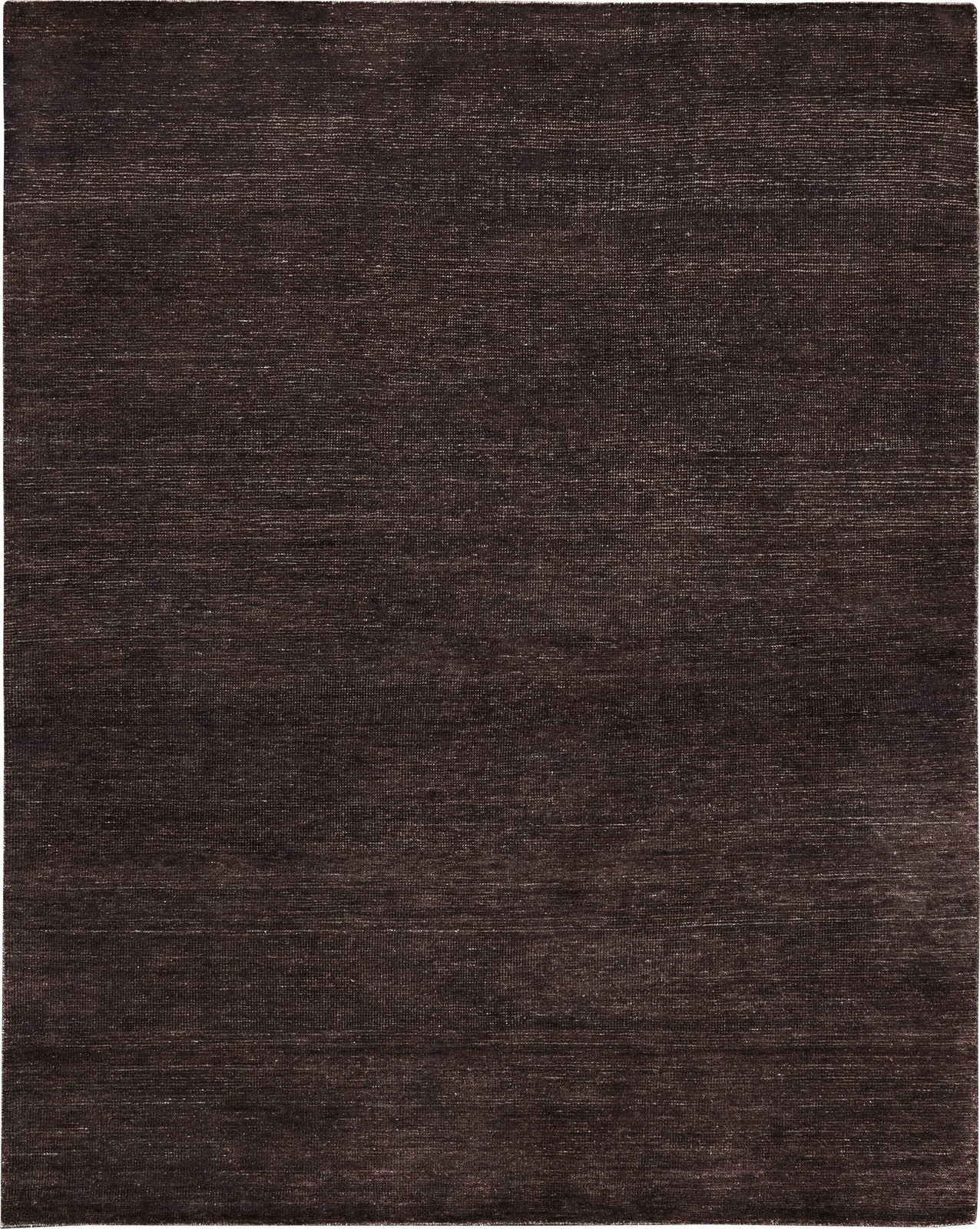
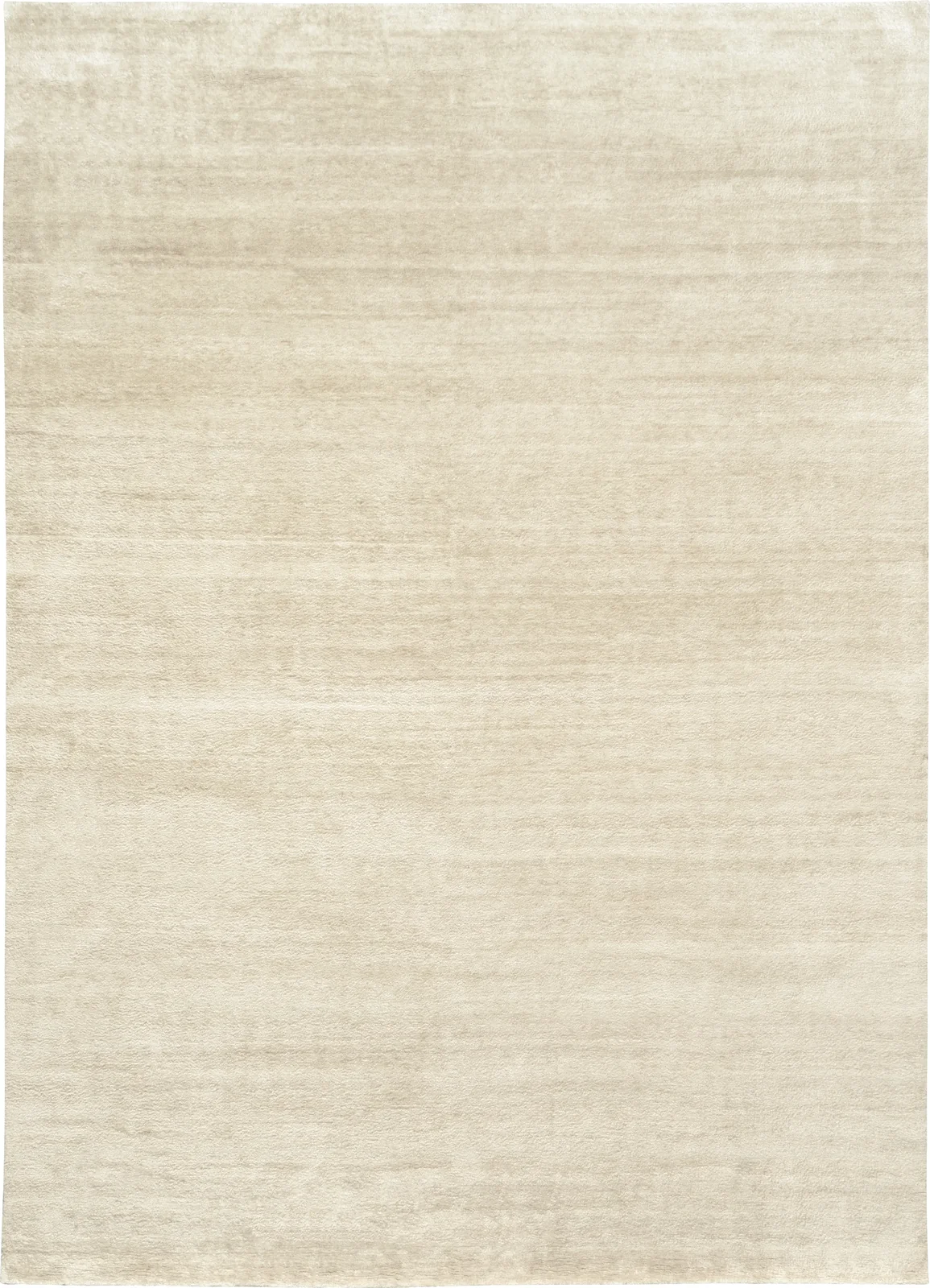
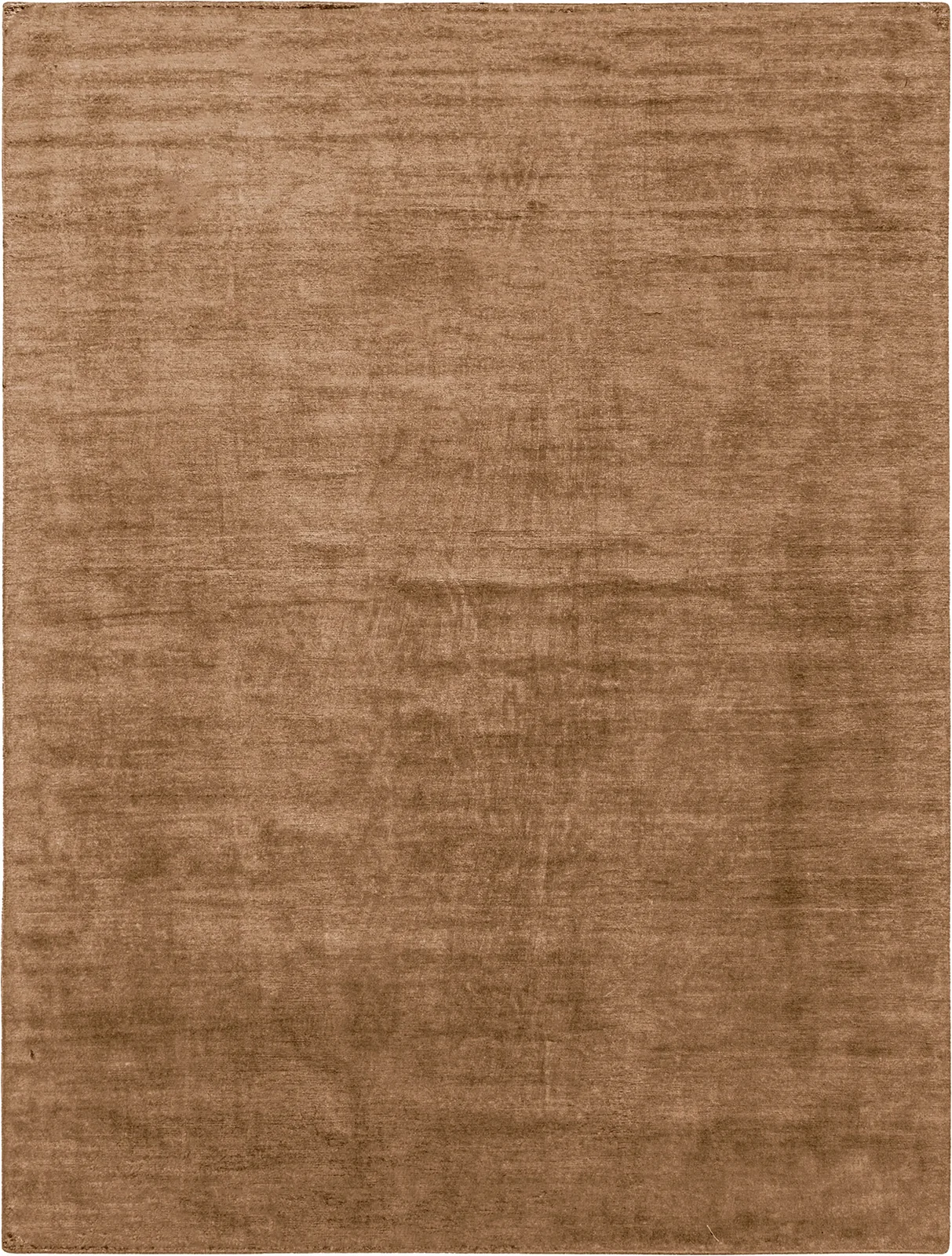
WOVEN’s Studio WOVEN textures provide a useful way to compare those decisions. The collection includes different material and surface treatments, while WOVEN’s custom sampling resources include construction, fiber-blend and pile-height references. Confirm the relevant sample for the rug being considered; a sample of one quality does not verify another.
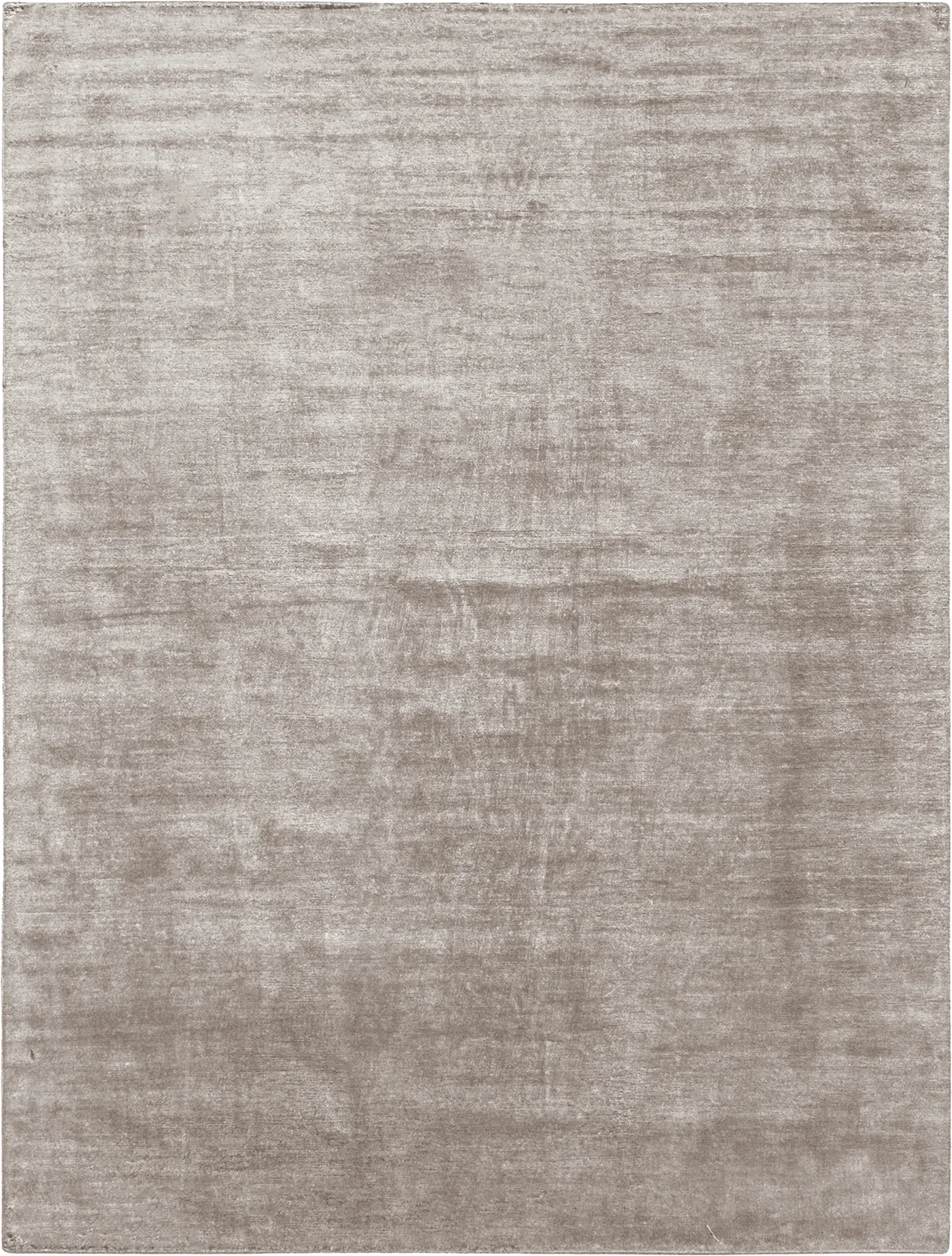
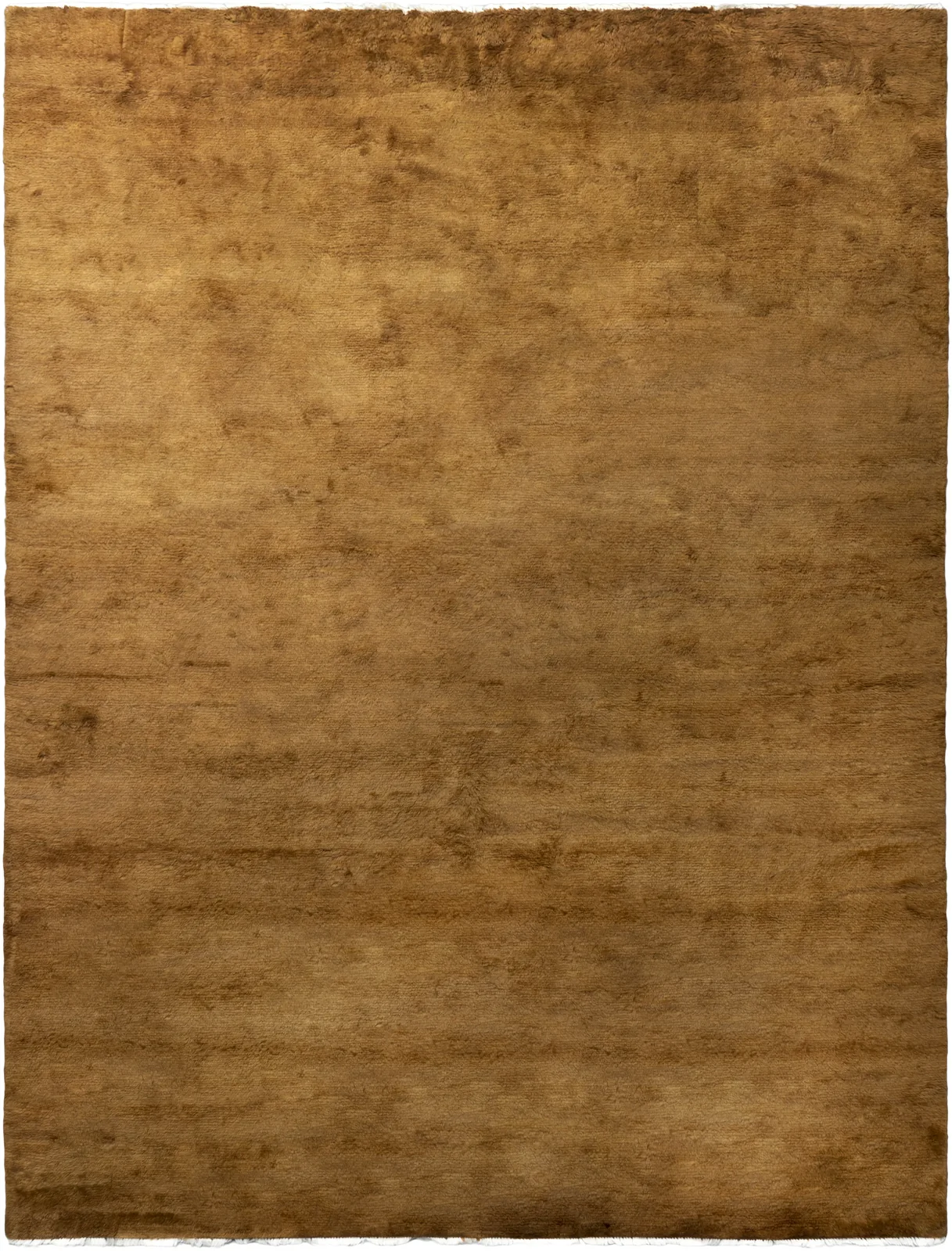
For example, Distressed Wool is a contemporary collection whose surface is intentionally developed. “Distressed” describes the finish, not an antique date. Ask separately about construction, material and finishing rather than treating the collection name as a complete specification.
How can you assess a hand-woven rug before buying?
A useful assessment combines the supplier’s description with examination of the actual rug. Photographs can support the discussion, but ambiguous construction, prior repairs or condition may require specialist inspection. A visible irregularity or fringe is not sufficient proof of hand manufacture.
- Name the method. Ask whether the rug is hand-knotted, tapestry woven, soumak, another handloom construction, tufted or machine-woven.
- Record the materials. Identify the surface, foundation, backing and blend, including components concealed from the face.
- Inspect front, reverse and edges. Look for consistency with the stated structure and ask about repairs, added backing or unusual finishing.
- Check the room fit. Evaluate profile at doors, chair movement, walking routes and the intended underlay.
- Obtain care guidance. Confirm the cleaning method and whether an older rug’s condition changes that advice.
- Keep the description. Retain the rug identifier, dimensions, construction, material and any qualified attribution with the purchase record.
The guide to identifying a handmade rug develops the examination questions. Use it to ask better questions, rather than to authenticate a valuable rug from one photograph.
Where does a hand-woven rug work best?
A hand-woven rug belongs where its particular structure, condition and care requirements fit the use. For a dining room, assess chair movement and cleaning access. For a bedroom, compare feel and the exposed perimeter. For a hallway, examine edge stability, clearance and repeated traffic. No single method is the best answer for all three.
Design judgment begins after the construction is understood. A quiet weave can support patterned furniture; a pronounced texture can become the room’s focal point even in one color. View a sample at the scale and distance at which the room will be used, then check that the practical specification supports that visual intention.
What should the hand-woven label tell you?
The hand-woven label should begin a useful description, not end it. Ask how the rug was made, identify the complete materials and judge its suitability for the intended room. A hand-knotted rug can be handwoven, a low-profile rug can use several different structures, and craftsmanship is best understood through the actual object rather than a hierarchy of labels.
Explore our collection of hand-woven rugs — each piece made by hand, in natural materials, with an eye toward how a rug can genuinely transform a space.