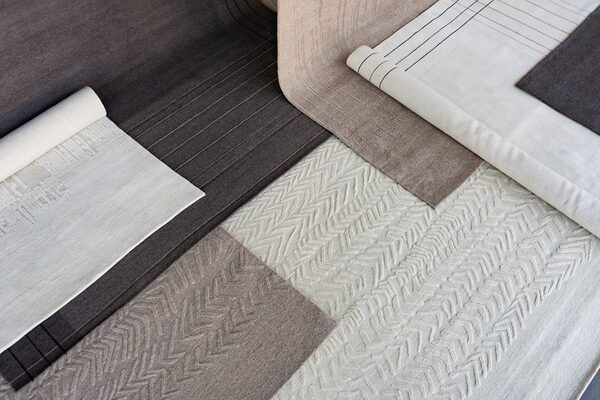
A lower profile and a more expressive surface are different requests. Learn how to brief custom texture and pile height, with material, care and samples in view.
Compare rug pile height with measured assembly thickness, furniture movement, care and project-specific accessibility requirements.
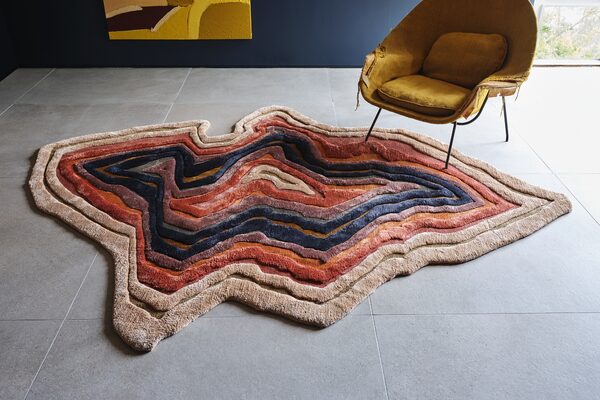
Use irregular rug shapes to define furniture groups and circulation, comparing the proposed outline with a simpler option on the same plan.
Understand the overlap between kilim and dhurrie terminology and distinguish tapestry interlacing from soumak weft wrapping.
Compare Heriz and Serapi as related regional and trade terms, with catalog evidence, object-specific attribution and condition kept separate.
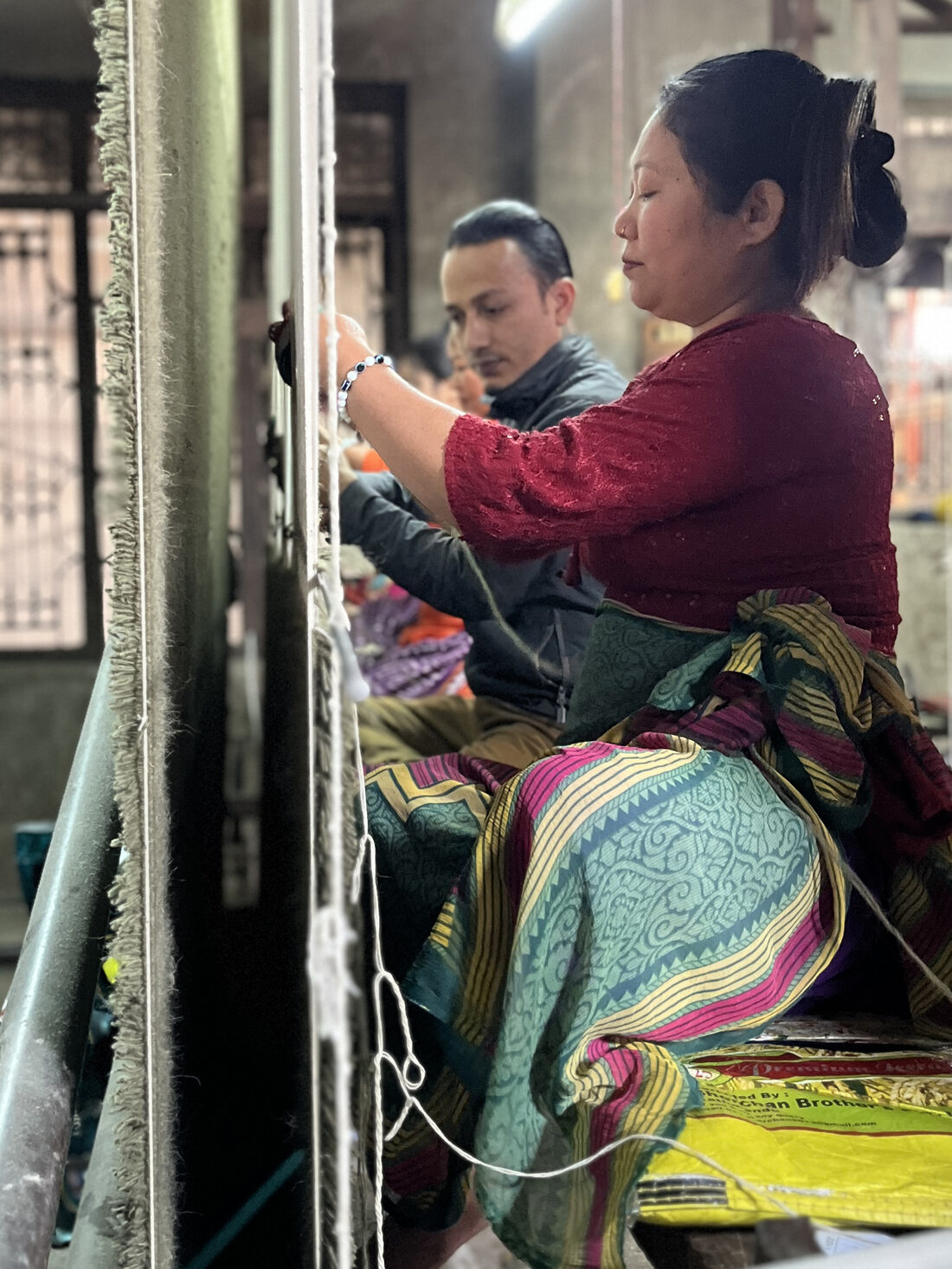
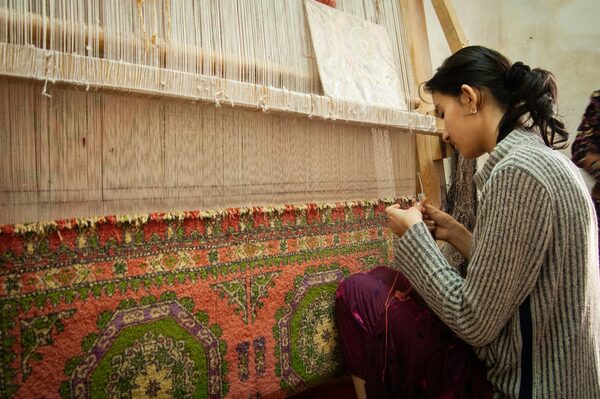
Identify handmade rug construction through matched front-and-reverse evidence, foundation and edge details, while recording what remains uncertain.
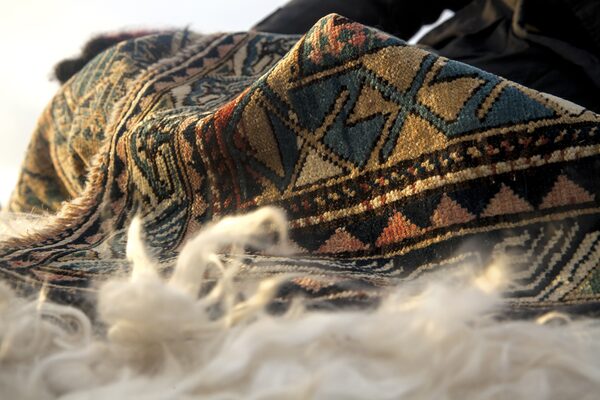
Read Persian rug names as place, community or trade attributions, and separate observed construction from the evidence for a precise origin.