knowledge library / Hand-Knotted vs. Tufted Rugs: Construction, Care and Choice
A hand-knotted rug has pile formed by individual knots around the loom’s warp threads. A tufted rug has yarn inserted through a pre-existing backing; hand-tufting uses a hand-operated tool for that process. These methods create different structures. Choosing between them requires a look at the complete rug, including its materials, backing, finish and intended use.
The distinction is easy to miss when two rugs have a similar color and pile. A photograph of the face tells you little about what holds the surface together. Start with the construction description, then ask to see the reverse and edge of the rug or a representative sample.
How a hand-knotted rug is built
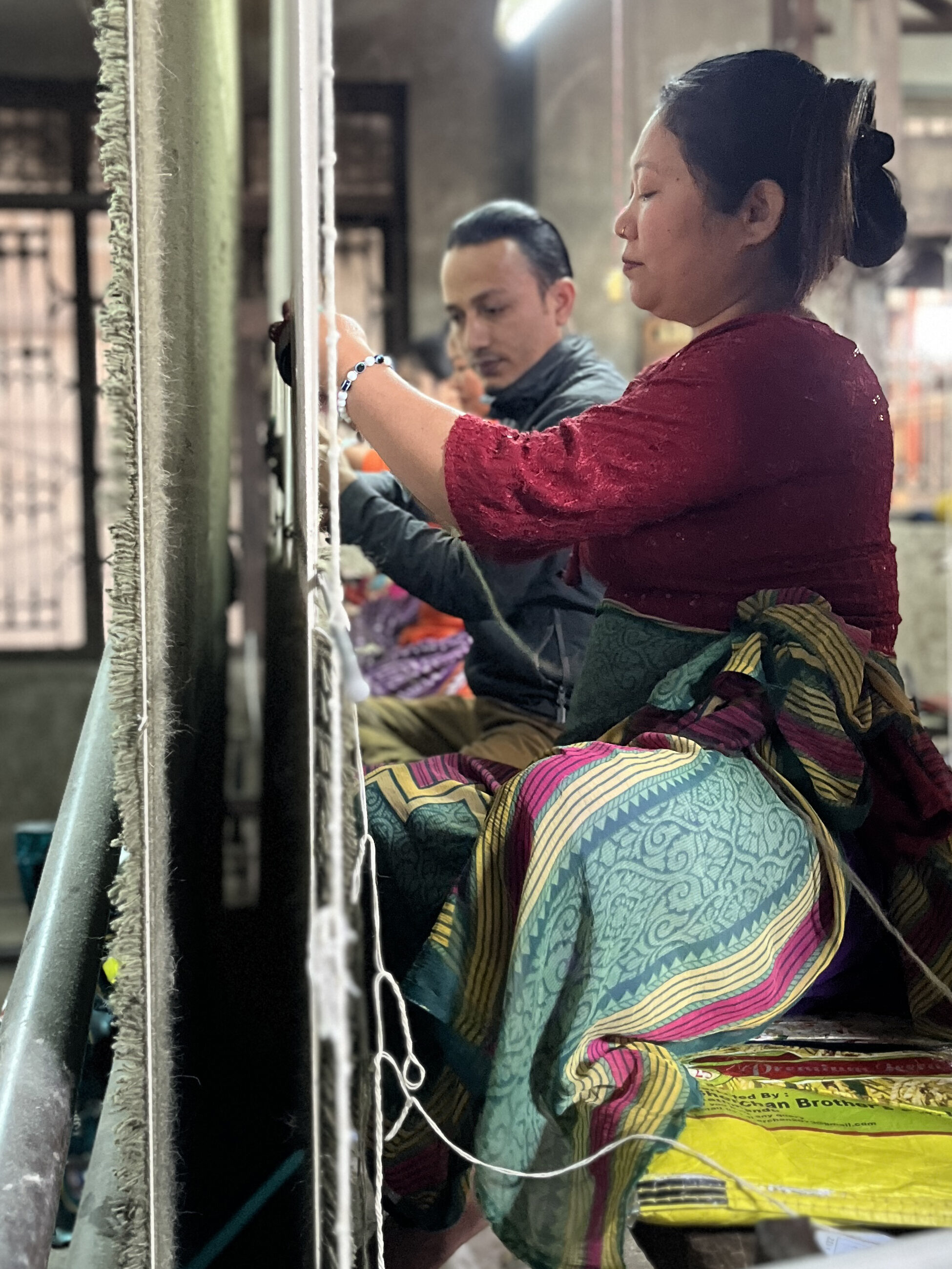
Warp threads run along the loom. The weaver forms the pile by wrapping short lengths of yarn around those threads, with foundation wefts passing across the rug between rows of knots. The cut pile ends create the surface you see and touch.
This makes the pile part of a structure assembled through knotting and weaving. Knot type and density are among its characteristics, alongside the yarn and the relationship between warp, weft and pile. A knot-count figure therefore needs context; it does not summarize every aspect of the finished rug.
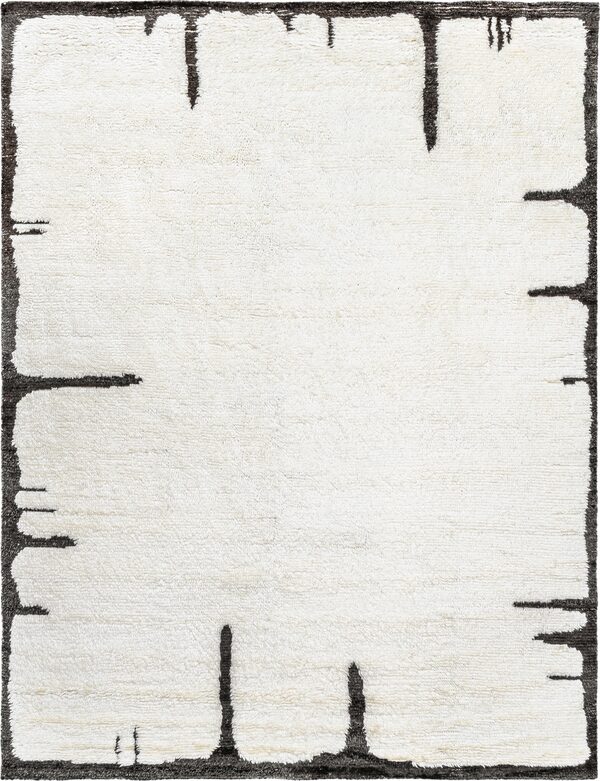
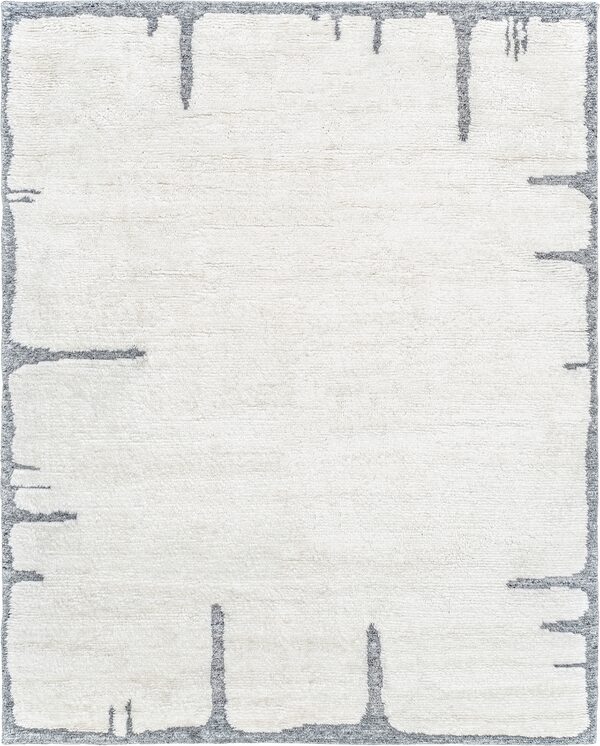
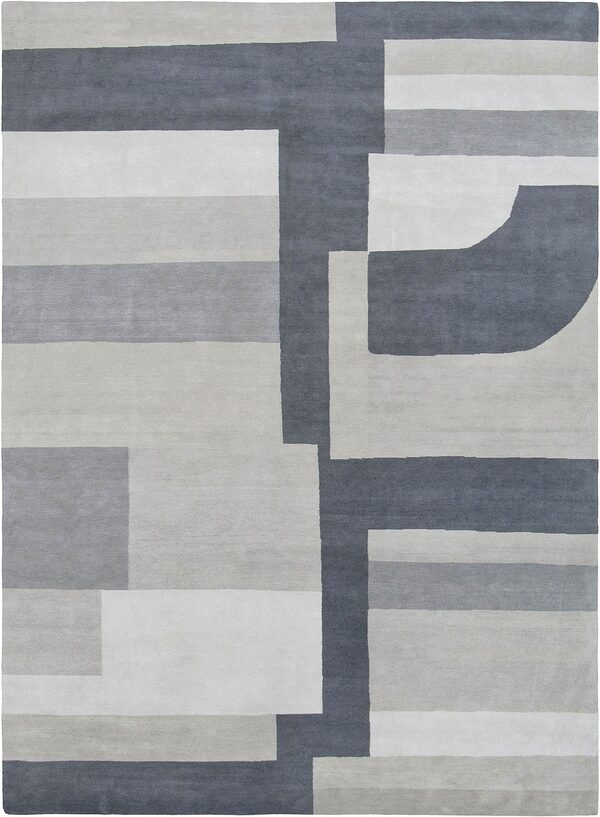
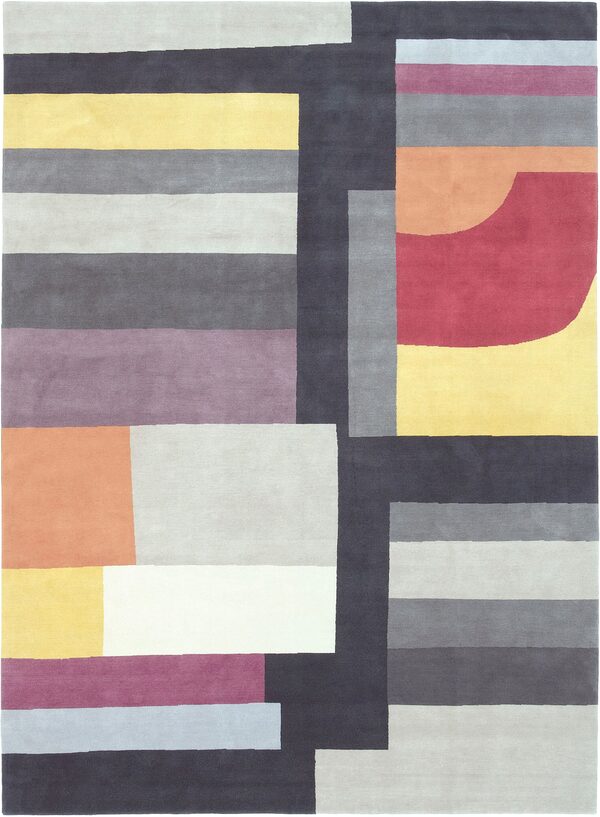
For an example of a current WOVEN collection described as hand-knotted, see Sheared Mohair. Its construction description does not make it representative of every hand-knotted rug, from a coarse vintage piece to a fine antique.
How tufting differs
Tufting inserts yarn into an existing backing fabric. In hand-tufting, a maker guides a tufting tool through that backing. Industrial tufting uses machinery with many needles. The term “tufted” by itself leaves this distinction open, so ask which process was used.
A tufted rug may have an adhesive layer that secures the yarn and a secondary backing that covers the reverse. Those components are part of the rug’s specification. Their materials and condition matter when discussing cleaning, repairs and floor contact.
Hand-tufting involves skilled work, but it is structurally different from tying individual pile knots on a loom. If a label says only “handmade,” request the more precise construction. The broader hand-woven rug guide explains other methods you may encounter.
Compare the details that affect your purchase
| Detail | Hand-knotted | Tufted |
|---|---|---|
| Pile formation | Individual knots around warp threads, integrated with the woven foundation. | Yarn inserted through a pre-existing backing. |
| Information to request | Pile and foundation materials, structure, finish and any additional backing or treatments. | Pile fiber, primary and secondary backing, adhesive system where used, and finishing. |
| What to inspect | Face, reverse, edges and the condition of the structure. | Face, edge finish, backing and any signs of separation or deterioration. |
| Care decision | Instructions appropriate to the whole rug and its condition. | Instructions appropriate to the whole rug, including backing and adhesive where present. |
| What the label cannot establish | A guaranteed lifespan, suitability for every room or future resale value. | A fixed lifespan, uniformly low quality or a universal cleaning method. |
Use the reverse as evidence, with help
Ask the seller to explain what you are seeing on the back. On a knotted rug, the structure may be visible there. A fabric-covered reverse can conceal the construction beneath it. Neither a fringe nor an irregular line is enough on its own to establish how a rug was made.
Request clear photographs if you are buying remotely, including a close view of the reverse and an edge. If there is uncertainty, have a knowledgeable person inspect the actual piece. The guide to telling whether a rug is handmade offers a more detailed inspection approach.
For a new rug, the current written specification should settle the manufacturing method. For an older rug, inspection should also address repairs, changes to the backing and condition. Keep those findings with the purchase record.
Compare quotes on the same brief
Give each supplier the same finished dimensions, design requirements and room description. Ask what the price includes and what the sample represents. A difference in price may involve fiber, design work, construction, finishing or commercial terms; do not assign the entire difference to one word on the label.
Lead times also need a current quotation. A statement that one method is always available within a set number of weeks leaves out the actual design, size, order queue and delivery arrangements. For custom work, confirm the approval stages and when the production schedule begins.
The rug durability guide is useful when the brief includes frequent foot traffic. Ask for a recommendation tied to the selected product and conditions, with any relevant test information identified. The method alone is not a traffic classification.
Plan for care before the rug arrives
Obtain written guidance on routine cleaning, spill response and professional care. Make sure the cleaner knows the construction and materials before treatment. If a rug already shows backing deterioration, loose pile or structural damage, have it assessed before cleaning or continued use.
When comparing two otherwise appealing rugs, consider how clearly each is documented. A precise construction description, representative sample and usable care instructions allow you to make a better decision than an unsupported promise about how many years a rug will last.