A practical look at how WOVEN connects room intent with antique, vintage, contemporary, studio, and custom rug decisions.
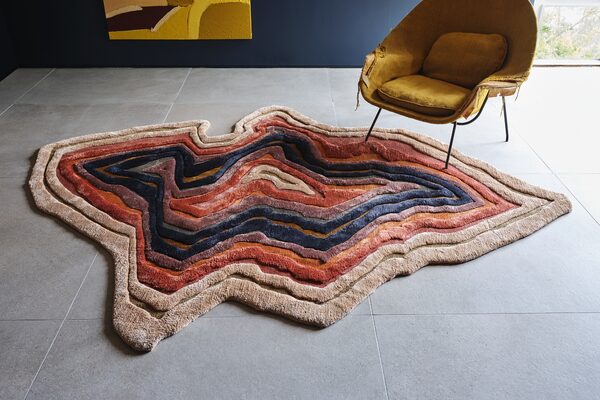
A designer-focused guide to using irregular-shaped rugs for furniture grouping, circulation, negative space, room zoning, measuring, and specification.
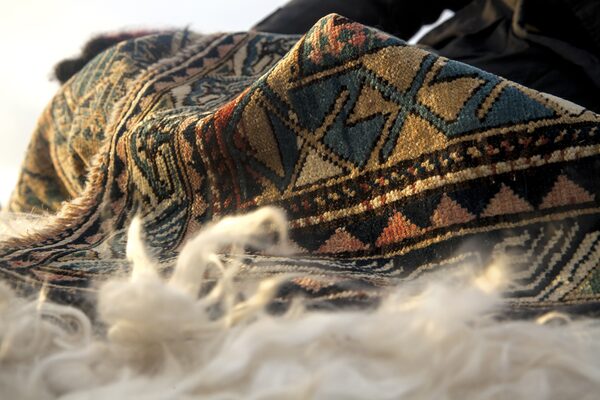
A structure-first guide to kilim, dhurrie, and soumak rugs, showing how their yarn paths change the surface, reverse, texture, and use in a room.
A careful comparison of Heriz and Serapi rugs, including their shared northwest Persian context, recurring visual differences, trade usage, and attribution limits.
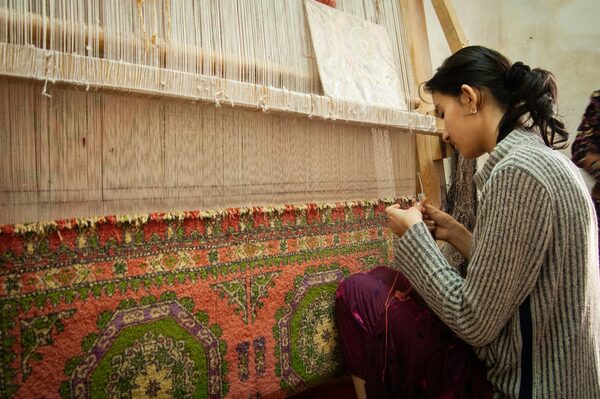
A practical, non-destructive guide to identifying hand-knotted rugs through the reverse, foundation, pile, fringe, edges, variation, and documentation.
A clear guide to the city, regional, village, and tribal names used for Persian rugs, plus a practical method for testing any attribution against the rug itself.
Persian identifies rugs made in Iran; Oriental is a much broader traditional trade term. Learn how origin, construction, age, and attribution work together when reading a rug label.